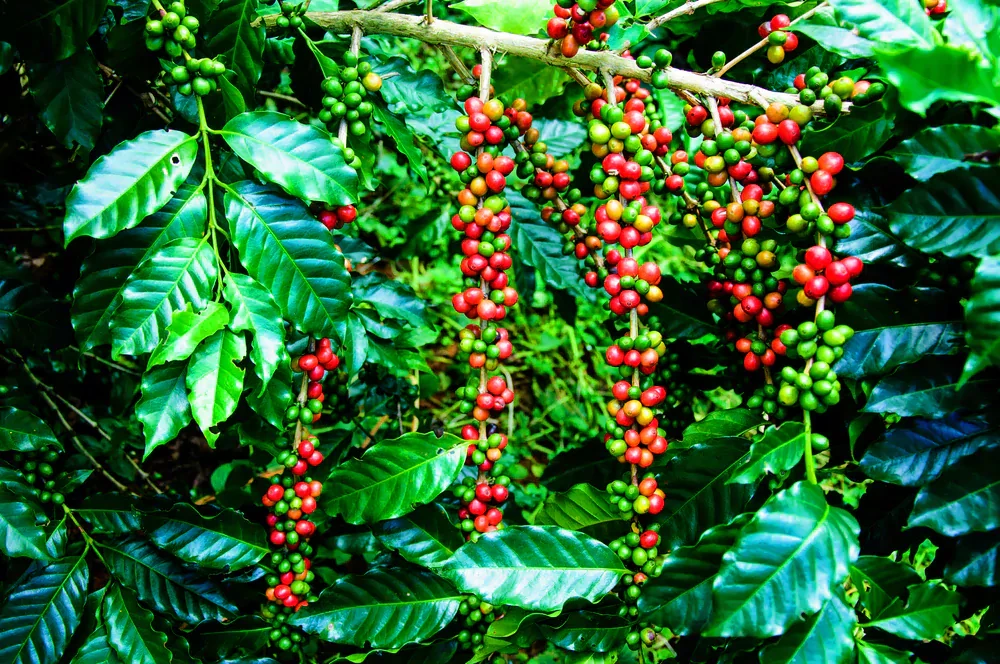
Although Nepal produces a smaller quantity of coffee than many major coffee-producing nations, it stands out for something even more important: quality. Grown at high altitudes, carefully hand-picked, and cultivated by passionate smallholder farmers, Nepali coffee delivers a unique flavor experience that coffee enthusiasts and specialty cafés increasingly appreciate.


When people think about world-famous coffee, countries like Brazil, Colombia, Ethiopia, or Vietnam usually come to mind. However, tucked away in the Himalayan foothills is a coffee origin that is quietly earning international recognition—Nepal.
Although Nepal produces a smaller quantity of coffee than many major coffee-producing nations, it stands out for something even more important: quality. Grown at high altitudes, carefully hand-picked, and cultivated by passionate smallholder farmers, Nepali coffee delivers a unique flavor experience that coffee enthusiasts and specialty cafés increasingly appreciate.
At Brewliners Barista & Bartending School, we believe every aspiring barista should understand what makes coffee unique before learning how to brew it. That's why our students explore the complete journey of coffee from bean to cup, including the fascinating characteristics that make Nepal coffee unlike any other in the world.
Let's discover why Nepali coffee has become one of Asia's hidden specialty coffee treasures.
1. Grown in the Heart of the Himalayas


6
One of the biggest reasons Nepali coffee is so distinctive is its growing environment.
Most coffee in Nepal is cultivated between 800 and 1,600 meters above sea level, where cool mountain temperatures allow coffee cherries to ripen slowly. This extended ripening period helps the beans develop greater sweetness, balanced acidity, and complex aromas.
Unlike many lower-altitude coffee regions, Nepal's mountainous landscape creates ideal conditions for producing premium Arabica coffee with exceptional cup quality.
2. Nepal Produces Premium Arabica Coffee
Nepal is known almost exclusively for Arabica coffee, the species prized by specialty coffee professionals around the world.
Arabica beans are valued because they offer:
- Smooth sweetness
- Floral aromas
- Bright citrus notes
- Chocolate undertones
- Lower bitterness
- Complex flavors
These characteristics make Nepali coffee perfect for espresso, pour-over, AeroPress, V60, Chemex, and other specialty brewing methods.
3. Small Farms Mean Greater Care
Unlike countries with massive industrial coffee plantations, coffee in Nepal is grown primarily by smallholder farming families.
Many farms cultivate only a few hundred coffee trees, allowing farmers to give close attention to each stage of production.
This careful approach includes:
- Hand-picking only ripe cherries
- Selective harvesting
- Careful sorting
- Traditional drying methods
- Quality-focused processing
The result is greater consistency and cleaner cup profiles.
4. Naturally Sustainable Farming
Many coffee-growing regions in Nepal rely on environmentally friendly farming practices.
Coffee trees are commonly grown under natural shade alongside fruits and native vegetation, helping preserve biodiversity while protecting the coffee plants from excessive sunlight.
Because many farmers use limited chemical inputs, Nepali coffee appeals to consumers seeking responsibly produced and sustainable coffee.
5. Every Region Has Its Own Flavor


6
Just like wine, coffee reflects its origin.
Each coffee-growing district in Nepal produces beans with its own unique characteristics.
Gulmi
- Chocolate
- Caramel
- Citrus
Kavrepalanchok (Kavre)
- Honey
- Orange
- Floral sweetness
Ilam
- Jasmine
- Tea-like finish
- Bright acidity
Syangja
- Berry notes
- Dark chocolate
- Smooth body
These regional differences make Nepal an exciting destination for coffee lovers who enjoy exploring single-origin coffees.
6. Hand-Picked Quality
Coffee harvesting in Nepal is still largely done by hand.
Instead of stripping all cherries from a branch at once, experienced farmers carefully pick only fully ripe cherries.
This selective harvesting helps ensure:
- Better sweetness
- More balanced acidity
- Cleaner flavors
- Higher-quality beans
Although this process requires more time and labor, it produces coffee that meets the expectations of specialty coffee buyers worldwide.
7. A Young Coffee Industry Focused on Quality
Nepal's coffee industry is relatively young compared to many coffee-producing countries.
Rather than competing on volume, Nepal has focused on producing high-quality specialty coffee.
This quality-first approach has encouraged farmers, processors, and roasters to continually improve cultivation, processing, and roasting techniques.
As global demand for specialty coffee grows, Nepali coffee is finding its place in cafés and roasteries across Europe, Asia, Australia, and North America.
8. Coffee That Supports Rural Communities
Choosing Nepali coffee also supports thousands of farming families living in Nepal's hill districts.
Coffee provides:
- Additional household income
- Employment opportunities
- Sustainable agricultural development
- Economic growth in rural communities
Every cup tells the story of farmers whose dedication helps preserve Nepal's growing coffee heritage.
Why Coffee Origins Matter for Every Barista
Professional baristas don't just prepare drinks—they educate customers, recommend coffees, and bring each origin's story to life.
Understanding Nepal Coffee Origins helps baristas:
- Explain flavor profiles confidently
- Recommend the best brewing methods
- Understand seasonal variations
- Appreciate the work of coffee farmers
- Deliver a richer café experience
Knowing where coffee comes from transforms brewing into storytelling.
Learn Coffee from Bean to Cup at Brewliners Barista & Bartending School


8
At Brewliners Barista & Bartending School, we believe great coffee starts long before it reaches the espresso machine.
Our comprehensive training introduces students to every stage of the coffee journey, including:
- The history of coffee
- Nepal coffee origins
- Coffee-growing regions
- Arabica coffee varieties
- Processing methods
- Coffee roasting basics
- Espresso extraction
- Milk texturing
- Latte art
- Manual brewing methods such as V60, French Press, AeroPress, and Chemex
- Coffee cupping and sensory evaluation
- Café workflow and customer service
By understanding coffee from bean to cup, students graduate with the knowledge and practical skills needed to succeed in specialty cafés, hotels, restaurants, and coffee businesses in Nepal and around the world.
Experience the Difference of Nepali Coffee
Nepali coffee is more than a beverage—it is the result of high-altitude farming, dedicated growers, sustainable practices, and a commitment to quality over quantity.
Its clean, complex flavors and unique Himalayan origin have earned it a growing reputation among specialty coffee professionals worldwide.
Whether you're a coffee enthusiast eager to discover new origins or an aspiring barista ready to build a professional career, understanding what makes Nepali coffee different is the first step toward mastering the craft.
At Brewliners Barista & Bartending School, we invite you to explore the world of coffee from its roots in the mountains of Nepal to the perfect cup served with confidence. Learn the history, understand the science, and develop the skills to transform exceptional beans into unforgettable coffee experiences.