
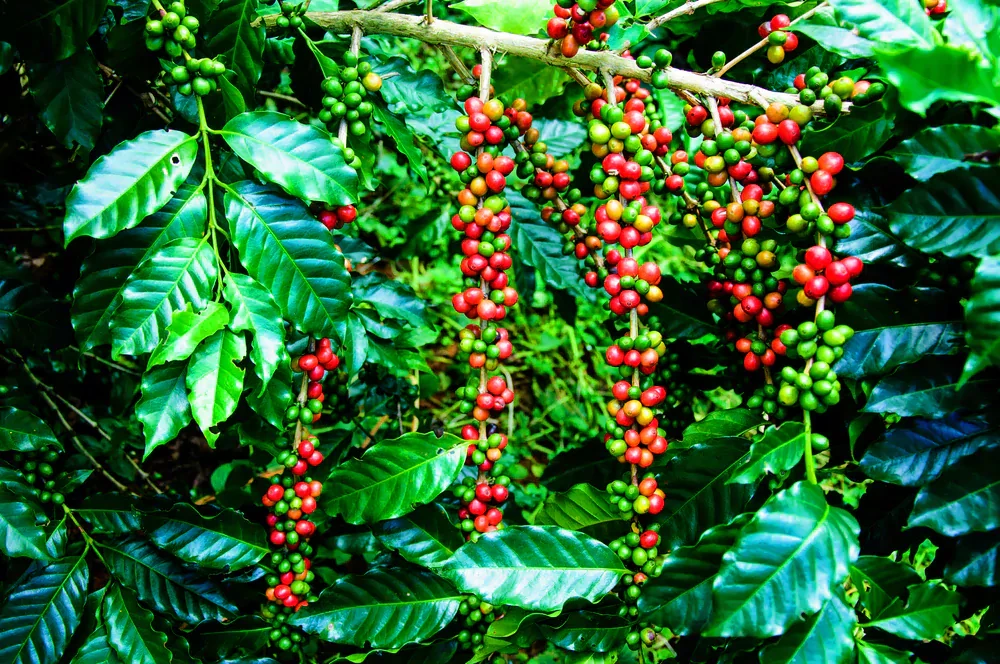
Nepal's coffee industry has tremendous potential.
Nepal may be famous for the Himalayas, trekking, and rich cultural heritage, but there's another treasure quietly gaining international recognition—Nepalese coffee.
Over the last few decades, Nepal has emerged as a producer of high-quality Arabica coffee, grown on mountain slopes by dedicated farmers. With favorable climates, fertile soils, and traditional farming methods, the country is building a reputation for producing specialty coffee that is appreciated by coffee lovers around the world.
Whether you're a coffee enthusiast, an aspiring barista, or simply curious about Nepal's growing coffee industry, this guide explains everything you need to know about coffee farming in Nepal.
The History of Coffee Farming in Nepal
Coffee cultivation in Nepal began in the late 1930s when coffee seeds were reportedly introduced from Myanmar (then Burma) by a monk returning to Gulmi District. What started as a small-scale experiment has grown into a thriving agricultural sector.
Today, coffee is cultivated in many hilly districts across the country, supporting thousands of farming families while contributing to Nepal's specialty coffee industry.
Although Nepal produces much less coffee than countries like Brazil, Colombia, or Ethiopia, it has earned recognition for producing high-quality, specialty-grade Arabica coffee.
Why Nepal Is Ideal for Growing Coffee
Coffee plants thrive in environments with moderate temperatures, good rainfall, fertile soil, and higher elevations.
Many regions of Nepal naturally provide these conditions.
Coffee is commonly grown at elevations ranging from 800 to 1,600 meters above sea level, where cooler temperatures allow coffee cherries to mature slowly. This slow development often contributes to more complex and balanced flavors.
Other advantages include:
- Fertile mountain soil
- Clean natural water sources
- Mild climate
- Traditional farming methods
- Shade-grown cultivation in many areas
These conditions help produce coffee with excellent quality and character.
Which Coffee Is Grown in Nepal?
Nepal primarily produces Arabica coffee, which is widely valued for its smooth taste, pleasant acidity, and complex flavor profile.
Compared with Robusta, Arabica generally offers:
- Floral aromas
- Fruity notes
- Chocolate sweetness
- Bright acidity
- Smooth finish
Because of these characteristics, Nepalese Arabica is increasingly popular among specialty coffee roasters.
Major Coffee-Growing Regions in Nepal
Coffee is cultivated across many hilly districts, each contributing unique flavor characteristics.
Some of the most recognized coffee-producing areas include:
- Gulmi
- Palpa
- Syangja
- Kaski
- Lamjung
- Sindhupalchok
- Kavrepalanchok
- Nuwakot
- Dolakha
- Lalitpur
Differences in altitude, climate, soil, and processing methods create distinctive regional flavor profiles.
How Coffee Is Grown
Coffee farming requires patience.
A newly planted coffee tree usually takes three to four years before producing a meaningful harvest.
The process includes:
Planting
Young coffee seedlings are planted on mountain slopes with fertile, well-drained soil.
Growing
Farmers carefully manage shade, weeds, soil health, and irrigation where needed.
Flowering
After seasonal rainfall, coffee trees produce delicate white flowers with a pleasant fragrance.
Cherry Development
The flowers develop into green cherries that gradually ripen into bright red coffee cherries.
Harvesting
Most Nepalese coffee is harvested by hand, allowing farmers to select only ripe cherries.
This careful harvesting contributes to higher-quality coffee.
Coffee Processing in Nepal
Once harvested, coffee cherries must be processed to remove the fruit and prepare the beans for drying.
Common processing methods include:
Washed Process
Produces clean, bright, and balanced flavors.
Natural Process
Creates sweeter, fruit-forward coffee with fuller body.
Honey Process
Offers a balance between sweetness, body, and acidity.
Each processing method influences the final flavor profile of the coffee.
Challenges Facing Coffee Farmers
Although Nepal's coffee industry continues to grow, farmers also face challenges, including:
- Climate change
- Plant diseases
- Limited processing infrastructure
- Transportation difficulties in mountainous areas
- Fluctuating market prices
- Access to modern farming technology
Despite these challenges, many farmers continue producing exceptional coffee through dedication and sustainable practices.
The Rise of Nepal Specialty Coffee
Specialty coffee is one of the fastest-growing segments of the global coffee industry.
Nepal has gained attention because of:
- High-altitude cultivation
- Arabica varieties
- Careful harvesting
- Small-scale farming
- Distinctive flavor profiles
- Growing interest in sustainable production
As international demand for traceable, high-quality coffee increases, Nepal has an opportunity to strengthen its position in the specialty coffee market.
Why Coffee Origins Matter for Baristas
Professional baristas benefit from understanding where coffee comes from.
Knowledge of coffee origins helps them:
- Recommend beans confidently
- Explain flavor profiles
- Understand processing methods
- Appreciate the work of farmers
- Deliver a better customer experience
Learning about coffee farming builds a deeper connection between the farm and the café.
Learn Coffee Beyond the Cup at Brewliners Barista School
If you're searching for the best barista course in Kathmandu or professional coffee training in Nepal, Brewliners Barista School teaches much more than espresso preparation.
With campuses in Balaju, Kathmandu, and Lagankhel, Lalitpur, students explore coffee origins, processing methods, brewing science, espresso extraction, latte art, and customer service through practical, hands-on learning.
Our programs help students understand the complete coffee journey—from the farm where beans are grown to the cup served in a café.
The Future of Coffee Farming in Nepal
Nepal's coffee industry has tremendous potential.
As specialty coffee continues to grow worldwide, Nepalese farmers, roasters, cafés, and baristas all play an important role in showcasing the country's unique coffee to the world.
By supporting locally grown coffee, investing in quality, and continuing to educate future coffee professionals, Nepal can strengthen its reputation as a respected producer of specialty Arabica coffee.
Every cup of Nepalese coffee tells a story of mountains, hard work, and craftsmanship.
Frequently Asked Questions
Does Nepal grow coffee?
Yes. Nepal primarily grows high-quality Arabica coffee in hilly regions with suitable climates and elevations.
Which district produces the best coffee in Nepal?
Districts such as Gulmi, Palpa, Syangja, Kaski, and Sindhupalchok are among the country's most recognized coffee-growing regions. Each produces coffee with its own unique characteristics.
Why is Nepalese coffee special?
Nepalese coffee is known for its high-altitude cultivation, hand-picked cherries, small-scale farming, and distinctive specialty coffee flavor profiles.
Where can I learn about coffee professionally in Nepal?
Brewliners Barista School offers practical coffee education at Balaju, Kathmandu, and Lagankhel, Lalitpur, covering coffee origins, brewing, espresso, latte art, and professional café skills.
