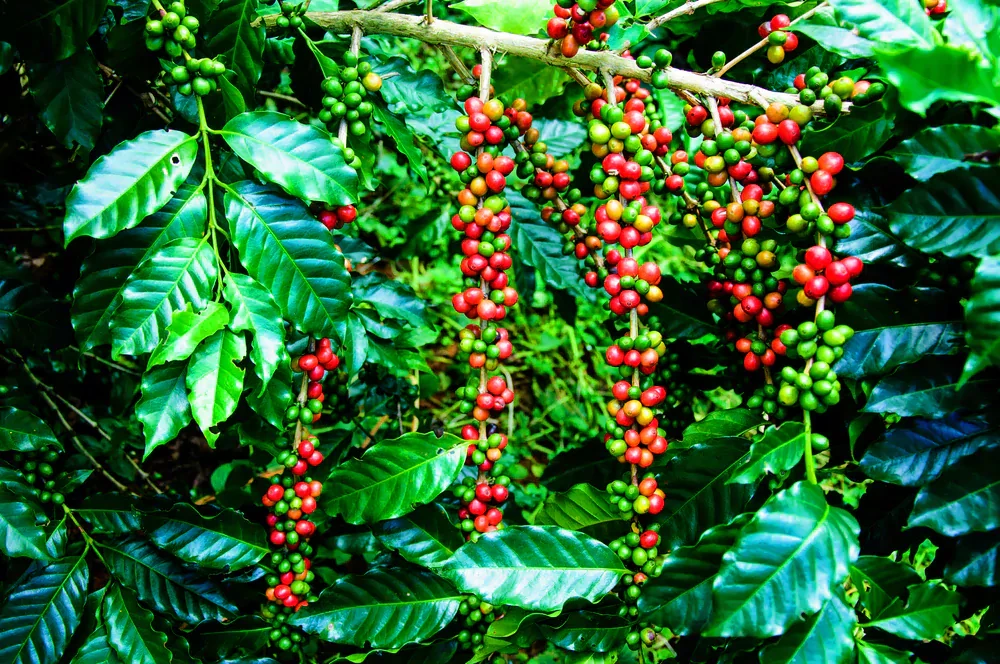
At Brewliners Barista & Bartending School, we believe every great barista should understand the journey behind every cup. Our students don't just learn how to make espresso—they learn coffee from bean to cup, including the fascinating history, origins, processing methods, brewing techniques, and appreciation of Nepali specialty coffee.


Coffee is more than just a beverage—it's a story of people, culture, innovation, and passion. While countries like Brazil, Colombia, and Ethiopia are globally recognized for their coffee traditions, Nepal has quietly built a remarkable coffee industry that is now gaining international attention.
Today, Nepal Coffee is celebrated for its premium Arabica beans, clean flavor profiles, and sustainable farming practices. But how did coffee first arrive in Nepal? How did a handful of coffee seeds planted in the hills of Gulmi grow into a thriving specialty coffee industry?
At Brewliners Barista & Bartending School, we believe every great barista should understand the journey behind every cup. Our students don't just learn how to make espresso—they learn coffee from bean to cup, including the fascinating history, origins, processing methods, brewing techniques, and appreciation of Nepali specialty coffee.
Let's explore the incredible story of coffee in Nepal.
The Beginning of Coffee in Nepal
Coffee first arrived in Nepal in 1938, when a Buddhist monk named Hira Giri brought coffee seeds from Myanmar (then Burma) and planted them in Aapchaur, Gulmi District. What began as a small experiment would eventually shape the future of Nepal's coffee industry. Government records recognize Gulmi as the birthplace of coffee cultivation in Nepal.
At the time, very few people imagined that coffee could thrive in Nepal's mountainous terrain. Farmers traditionally focused on crops such as rice, maize, millet, and wheat. Coffee was grown in small household gardens and valued more as a curiosity than a commercial crop.
Why Nepal Is Perfect for Growing Coffee


As coffee cultivation spread, farmers discovered that Nepal's unique geography provided ideal conditions for producing high-quality Arabica coffee.
Several natural advantages contribute to the exceptional quality of Nepali coffee:
- Elevations between 800 and 1,600 meters
- Rich, fertile mountain soil
- Mild temperatures
- Clean Himalayan water
- Shade-grown cultivation
- Hand-picked ripe coffee cherries
- Small-scale family farming
These factors allow coffee cherries to mature slowly, developing complex sugars and vibrant flavors that distinguish Himalayan coffee from many other origins.
Gulmi: The Birthplace of Nepali Coffee
No discussion of the history of coffee in Nepal is complete without recognizing Gulmi.
Often called the heart of Nepal's coffee industry, Gulmi continues to produce some of the country's finest specialty coffee. Farmers in the region have spent decades refining cultivation and processing techniques, helping establish Nepal's reputation for quality.
Coffee from Gulmi is often known for:
- Chocolate sweetness
- Caramel notes
- Bright citrus acidity
- Smooth body
- Balanced finish
These characteristics make Gulmi beans popular among specialty cafés and roasters in Nepal and abroad.
Coffee Expands Across Nepal
Following Gulmi's success, coffee cultivation gradually spread across Nepal's mid-hill regions.
Today, coffee is grown in dozens of districts, with notable production in:
- Kavrepalanchok (Kavre)
- Palpa
- Syangja
- Ilam
- Kaski
- Lamjung
- Nuwakot
- Sindhupalchok
- Arghakhanchi
- Lalitpur
Each region contributes its own distinctive flavors, influenced by local climate, altitude, soil, and processing methods.
Nepal's Rise in Specialty Coffee
During the last two decades, Specialty Coffee Nepal has attracted growing attention from international buyers.
Coffee professionals appreciate Nepali beans for their:
- Clean cup quality
- Floral aromas
- Honey sweetness
- Chocolate notes
- Citrus brightness
- Balanced acidity
Much of Nepal's coffee is produced using environmentally friendly practices, with many farms following organic or low-input cultivation methods. This commitment to quality and sustainability has helped Nepali coffee reach specialty markets in Europe, Japan, South Korea, Australia, and North America.
From Coffee Cherry to Cup
The journey of coffee is far more than harvesting beans. Every cup reflects a series of carefully managed steps.
The process includes:
- Growing healthy coffee trees
- Hand-picking ripe cherries
- Sorting and selecting quality fruit
- Processing (washed, natural, or honey)
- Drying the beans
- Milling and grading
- Roasting
- Grinding
- Brewing
- Serving with precision and care
Understanding each stage helps baristas produce better coffee and explain its story to customers.
Why Coffee Origins Matter to Every Barista
Professional baristas do much more than operate espresso machines.
Understanding Nepal Coffee Origins allows baristas to:
- Recommend coffees based on flavor preferences
- Explain tasting notes confidently
- Choose suitable brewing methods
- Respect the work of coffee farmers
- Deliver memorable customer experiences
Knowing the origin of a coffee transforms every cup into a story worth sharing.
Learn Coffee from Bean to Cup at Brewliners Barista & Bartending School


Every professional barista starts by understanding coffee itself.
At Brewliners Barista & Bartending School, our training goes beyond preparing espresso and cappuccino. Students gain a complete understanding of the coffee journey—from the coffee farms of Nepal to the final cup served in a café.
Our practical training includes:
- Coffee history and origins
- Nepal coffee-growing regions
- Coffee bean identification
- Processing methods
- Roasting fundamentals
- Espresso extraction
- Milk steaming
- Latte art
- Manual brewing methods
- Coffee cupping and sensory evaluation
- Café workflow and customer service
- Equipment maintenance and hygiene
Whether you're starting your first café job, planning to work abroad, or dreaming of opening your own coffee shop, understanding coffee from bean to cup gives you a stronger foundation and greater confidence.
The Future of Coffee in Nepal
Nepal's coffee industry continues to evolve. As more consumers seek high-quality, ethically produced specialty coffee, Nepali farmers are earning increasing recognition for their dedication and craftsmanship.
At the same time, the country's café culture is growing rapidly, creating exciting opportunities for skilled baristas, café managers, coffee roasters, and entrepreneurs.
The future of Nepali coffee depends not only on exceptional farming but also on knowledgeable professionals who understand every step of the coffee journey.
Start Your Coffee Journey with Brewliners
Every cup of coffee has a story, and Nepal's story is one of perseverance, innovation, and passion. From the first coffee seeds planted in Gulmi to today's internationally appreciated specialty coffees, Nepal has become a proud origin on the global coffee map.
At Brewliners Barista & Bartending School, we're passionate about preserving and sharing that story. Through hands-on training, students learn the art and science of coffee—from understanding Nepal's coffee origins to mastering espresso, latte art, and specialty brewing techniques.
If you're ready to build a rewarding career in coffee or simply deepen your appreciation for the craft, join Brewliners and experience coffee from bean to cup.
Frequently Asked Questions
When did coffee first come to Nepal?
Coffee was introduced to Nepal in 1938, when Buddhist monk Hira Giri brought coffee seeds from Myanmar and planted them in Aapchaur, Gulmi District, which is recognized as the birthplace of coffee cultivation in Nepal.
Which district is known as the birthplace of coffee in Nepal?
Gulmi is widely recognized as the birthplace of coffee farming in Nepal and remains one of the country's leading producers of high-quality Arabica coffee.
Why is Nepali coffee becoming popular?
Nepali coffee is valued for its high-altitude cultivation, Arabica varieties, hand-picked cherries, sustainable farming practices, and distinctive flavor profiles featuring floral, citrus, chocolate, and honey notes.
What will I learn at Brewliners Barista & Bartending School?
Students learn the complete coffee journey—from bean to cup—including coffee history, Nepal coffee origins, processing methods, brewing techniques, espresso preparation, latte art, coffee cupping, and café operations. This comprehensive approach helps aspiring baristas develop both technical skills and a deeper understanding of specialty coffee.