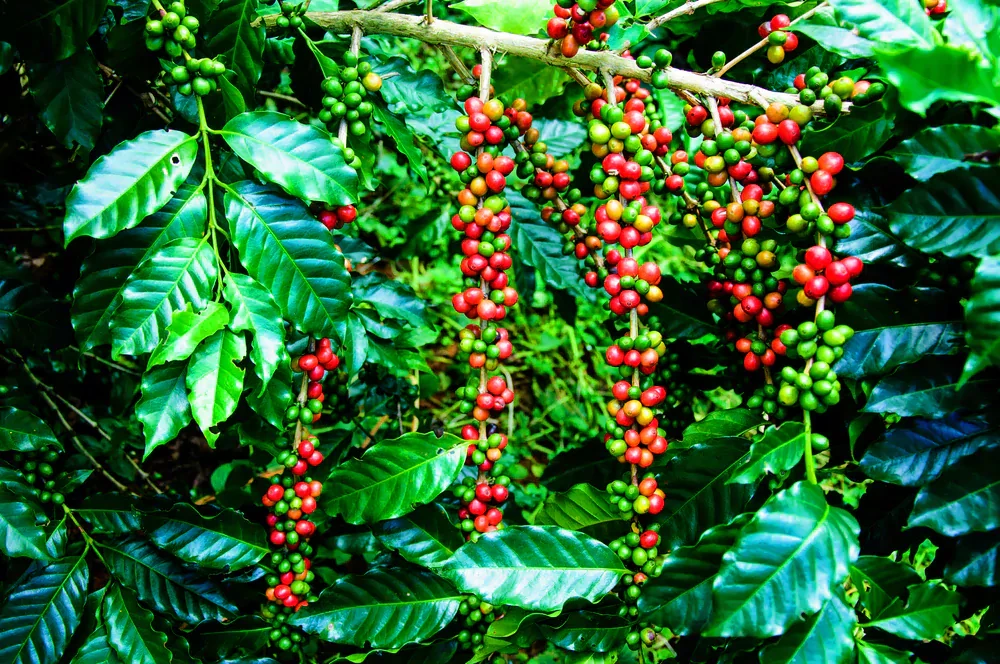
Coffee harvest season is one of the most exciting times of the year for Nepal's coffee-growing communities. From the hills of Gulmi to the plantations of Kavre, Syangja, Ilam, and Palpa, dedicated farmers spend months nurturing coffee trees before carefully harvesting each ripe cherry by hand.


Every great cup of coffee begins long before it reaches your espresso machine. It starts on a coffee farm, where months of care and patience lead to one of the most important moments in the coffee production cycle—the harvest.
For coffee farmers in Nepal, harvest season is more than just collecting ripe cherries. It is the culmination of a year's work and the foundation of every flavorful cup of Nepali specialty coffee.
At Brewliners Barista & Bartending School, we teach our students that understanding coffee harvesting is just as important as mastering espresso extraction or latte art. Learning coffee from bean to cup helps baristas appreciate the effort behind every coffee bean and serve customers with greater knowledge and confidence.
So, when is the best season to harvest coffee in Nepal, and why does it matter so much?
Understanding Nepal's Coffee Growing Cycle
Coffee trees do not produce cherries throughout the year. Instead, they follow a natural seasonal cycle influenced by rainfall, temperature, altitude, and sunlight.
A typical coffee-growing cycle in Nepal includes:
- Flowering after seasonal rains
- Development of green coffee cherries
- Gradual ripening over several months
- Harvesting ripe red cherries
- Processing and drying
- Resting before milling and roasting
Because Nepal's coffee is grown in the Himalayan mid-hills, the cooler climate allows cherries to ripen slowly, giving them more time to develop sugars and complex flavors.
When Is Coffee Harvested in Nepal?
The Main Coffee Harvest Season
For most coffee-growing regions, the coffee harvest season in Nepal runs from November to February, with the busiest period often falling between December and January.
Harvest times vary depending on:
- Altitude
- Local climate
- Rainfall
- Coffee variety
- Farm location
Higher-altitude farms generally harvest later because cherries mature more slowly in cooler temperatures.
This extended ripening period contributes to the distinctive sweetness and balanced acidity that make Nepali Arabica coffee highly valued.
Why Timing Is So Important


Harvesting coffee at the right time has a direct impact on quality.
Ripe Cherries
Perfectly ripe cherries are bright red and contain beans with:
- Higher sweetness
- Better aroma
- Balanced acidity
- Richer flavour
- Cleaner cup profile
Unripe Cherries
Green cherries often produce coffee that tastes:
- Bitter
- Grassy
- Astringent
- Underdeveloped
Overripe Cherries
If cherries remain on the tree for too long, they may:
- Ferment naturally
- Attract pests
- Lose freshness
- Produce inconsistent flavours
This is why experienced farmers carefully monitor their coffee trees throughout harvest season.
Hand-Picking Makes All the Difference
Unlike many large coffee-producing countries that use mechanical harvesting, coffee in Nepal is predominantly harvested by hand.


Selective hand-picking allows farmers to:
- Harvest only fully ripe cherries
- Leave unripe cherries to mature
- Protect coffee trees from damage
- Maintain higher quality standards
Although this method requires more labour and time, it produces the premium-quality beans that have helped Nepali coffee earn recognition in specialty coffee markets.
Coffee Harvest Across Nepal's Growing Regions
Different coffee-growing districts have slightly different harvest schedules due to variations in altitude and climate.
Gulmi
Nepal's historic coffee region, where harvest typically begins in late autumn and peaks during winter. Beans are known for chocolate, caramel, and citrus notes.
Kavrepalanchok (Kavre)
Harvest usually starts in early winter. The region produces coffees with floral aromas, honey sweetness, and bright citrus flavours.
Syangja
Cool mountain conditions extend cherry ripening, contributing to berry-like sweetness and smooth body.
Ilam
Harvest may occur slightly later in higher elevations, producing elegant coffees with floral aromas and tea-like finishes.
Palpa
Coffee is harvested carefully by smallholder farmers, resulting in balanced cups with cocoa and nutty characteristics.
What Happens After Harvest?
Harvesting is only the beginning of the coffee journey.
Once cherries are picked, they go through several important stages:
1. Sorting
Farmers remove damaged, underripe, and defective cherries.
2. Processing
Depending on the farm, coffee may be processed using:
- Washed Process
- Natural Process
- Honey Process
Each method creates different flavour profiles.
3. Drying
Beans are dried carefully until they reach the ideal moisture level for storage.
4. Milling
The dried outer layers are removed, revealing the green coffee beans.
5. Roasting
Roasters develop the flavours hidden inside each bean through carefully controlled roasting.
6. Brewing
Finally, trained baristas transform roasted beans into espresso, pour-over, cappuccinos, lattes, and other specialty coffee drinks.
Why Harvest Season Matters to Baristas
Professional baristas should understand more than brewing techniques.
Knowing when and how coffee is harvested helps them:
- Explain coffee origins to customers
- Understand seasonal coffee availability
- Appreciate flavour differences
- Recommend brewing methods
- Build confidence as coffee professionals
Every coffee bean tells a story that begins during harvest season.
Learn Coffee from Bean to Cup at Brewliners Barista & Bartending School


5
At Brewliners Barista & Bartending School, we believe exceptional baristas understand every stage of coffee production—not just how to prepare drinks.
Our hands-on training covers:
- The history of coffee
- Nepal coffee origins
- Coffee farming and harvesting
- Coffee processing methods
- Green coffee grading
- Roasting fundamentals
- Espresso extraction
- Milk steaming and latte art
- Manual brewing techniques
- Coffee cupping and sensory evaluation
- Café operations and customer service
By learning coffee from bean to cup, students develop the practical skills and industry knowledge needed for careers in cafés, hotels, restaurants, and specialty coffee businesses in Nepal and abroad.
Celebrate Nepal's Coffee Harvest
Coffee harvest season is one of the most exciting times of the year for Nepal's coffee-growing communities. From the hills of Gulmi to the plantations of Kavre, Syangja, Ilam, and Palpa, dedicated farmers spend months nurturing coffee trees before carefully harvesting each ripe cherry by hand.
Their commitment to quality is what gives Nepali Arabica coffee its clean flavours, vibrant aromas, and growing reputation in the global specialty coffee industry.
At Brewliners Barista & Bartending School, we honour that journey by teaching future baristas to appreciate every step—from the first blossom on the coffee tree to the perfectly brewed cup served with pride.
If you want to build a rewarding career in coffee, understanding the harvest season is just the beginning. Join Brewliners and discover the complete story of coffee from bean to cup.