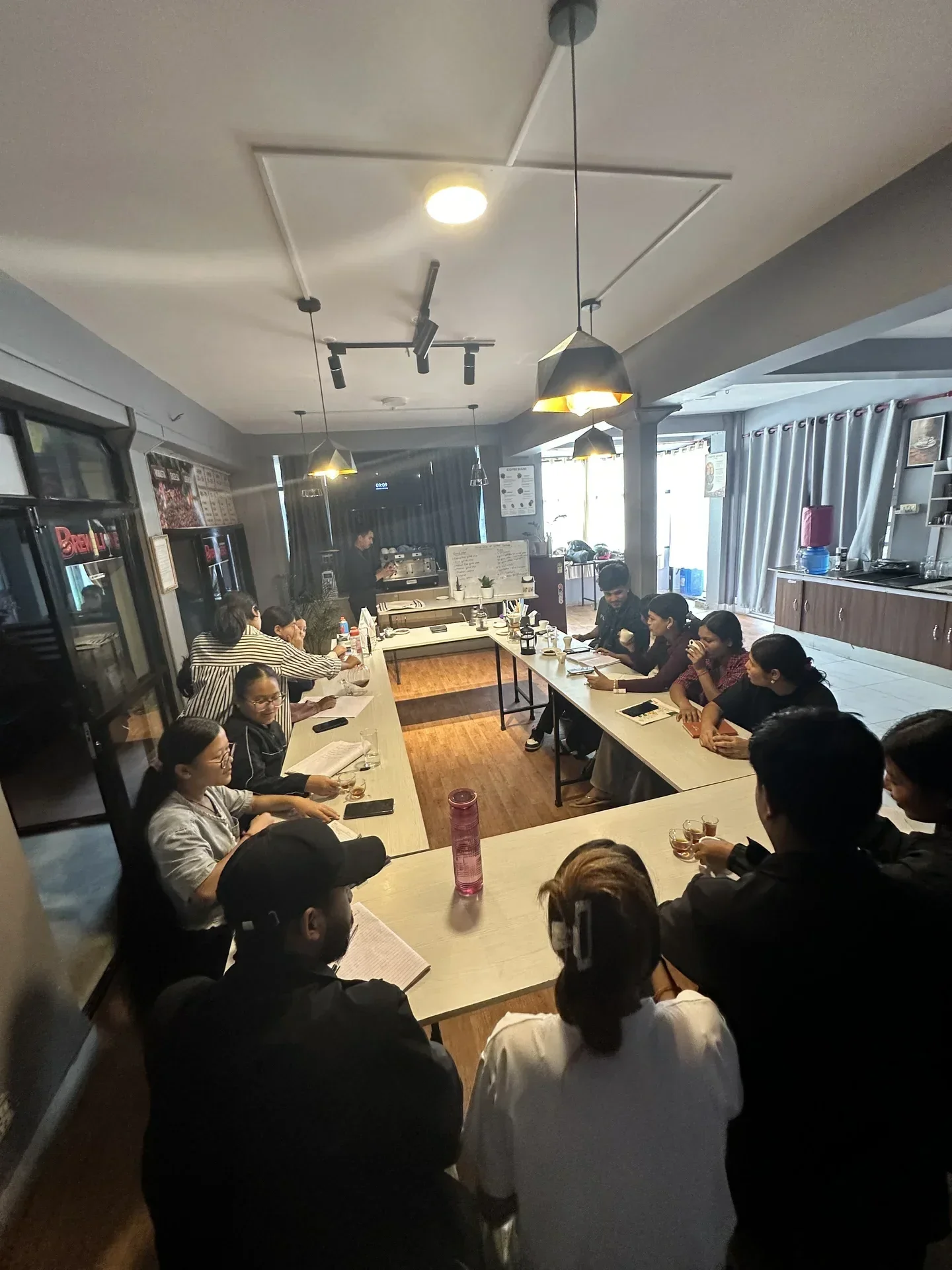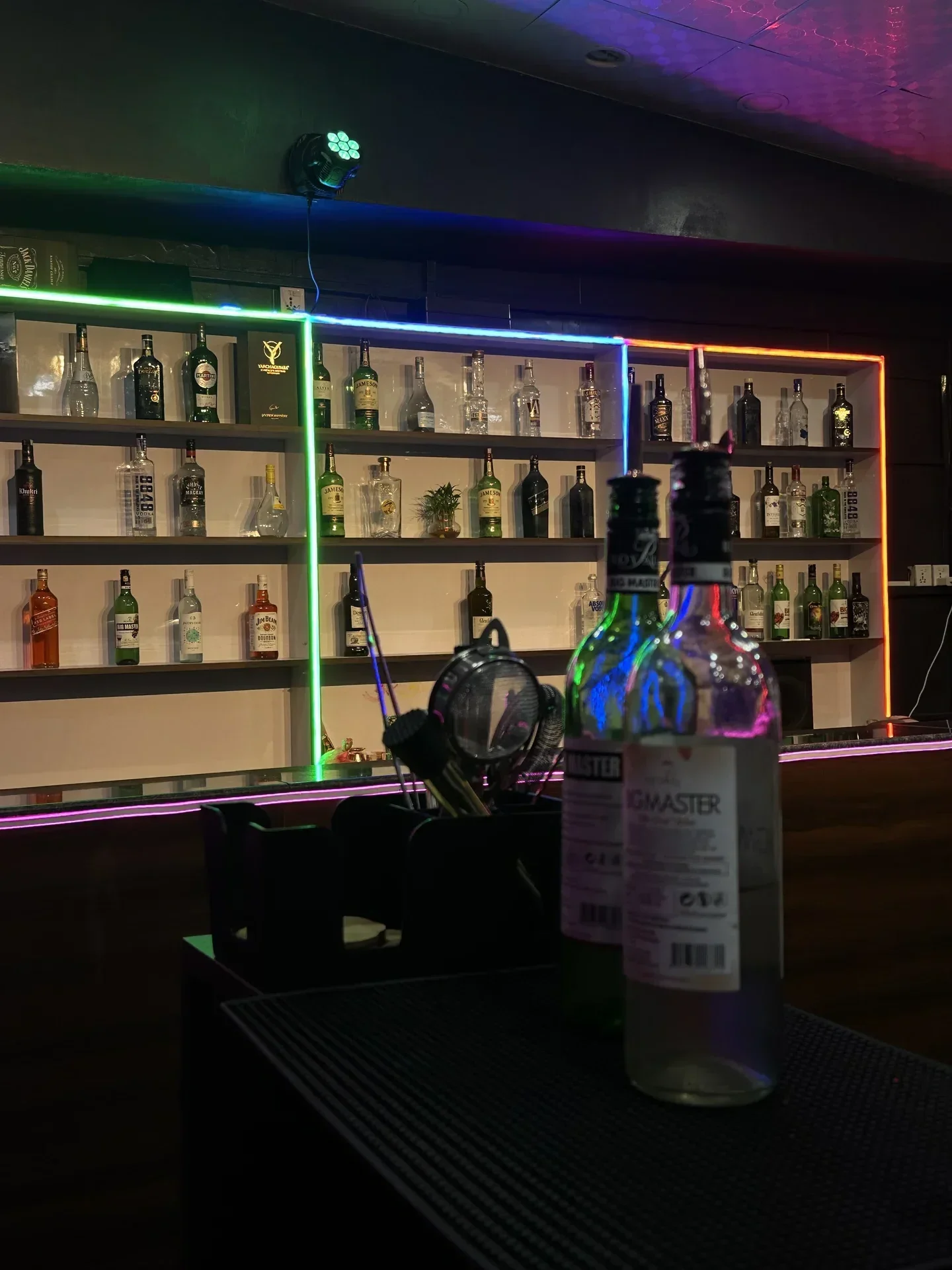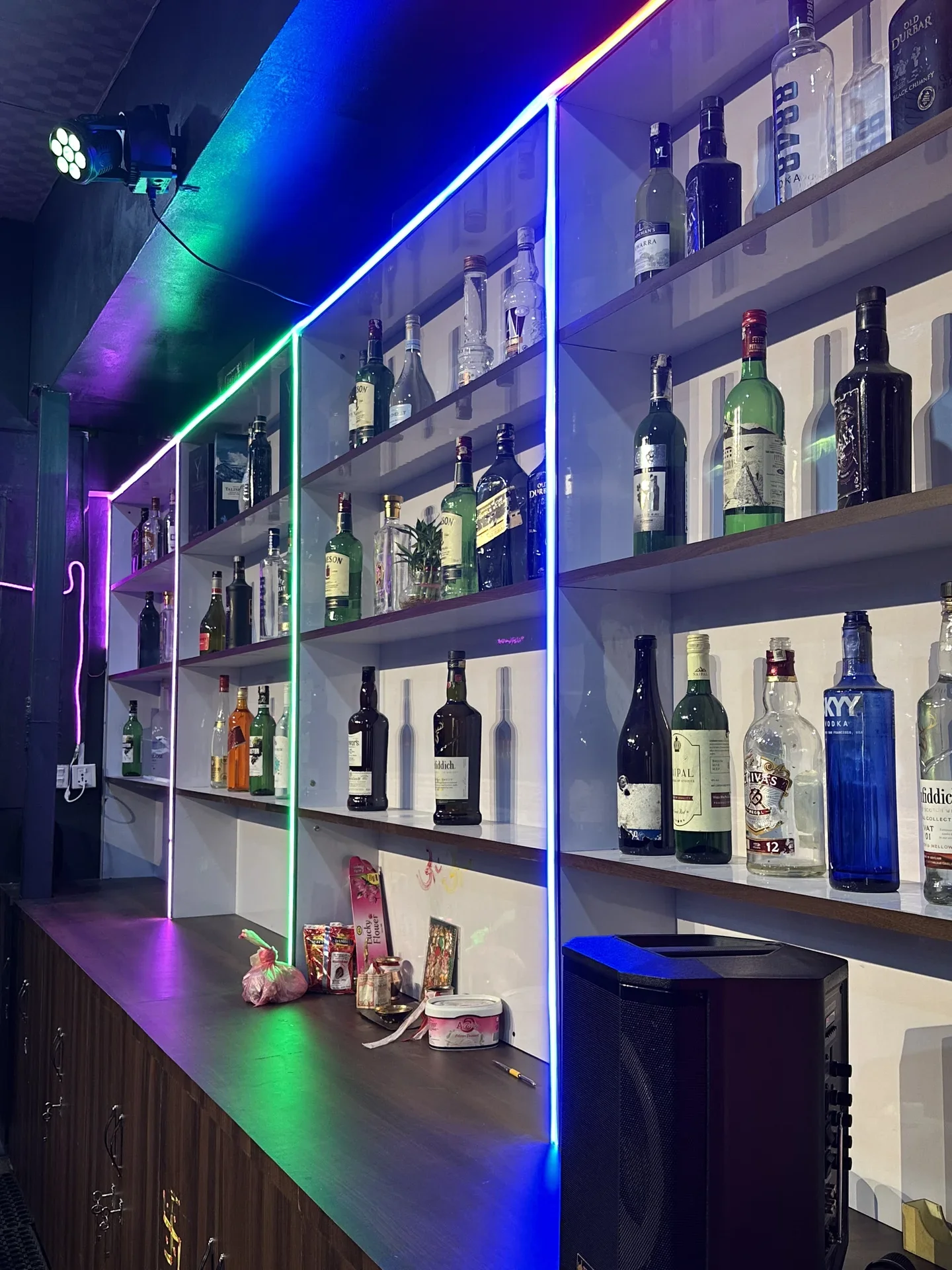
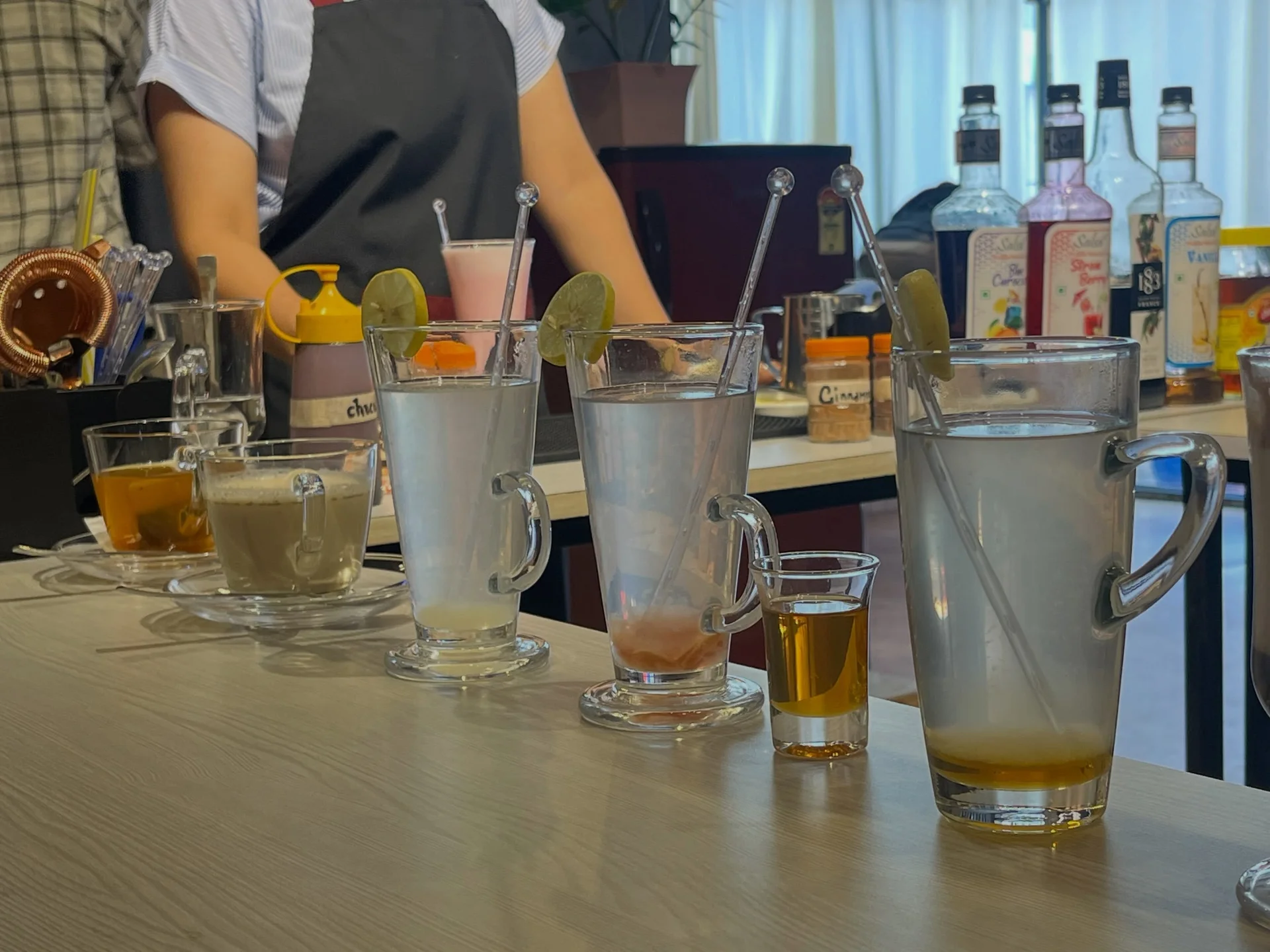
With training locations in Balaju, Kathmandu, and Lagankhel, Lalitpur, students have convenient access to hands-on learning led by experienced instructors.
Imagine two aspiring bartenders.
The first has spent weeks reading books, memorizing cocktail recipes, and watching endless videos online.
The second has stood behind a professional bar, shaken real cocktails, prepared refreshing mocktails, interacted with guests, and learned from experienced bartenders.
Now imagine both candidates walking into the same job interview.
Who do you think the employer will choose?
In almost every case, the candidate with hands-on bartending experience has the advantage.
That's because bartending isn't just about knowing recipes—it's about performing confidently under pressure, delivering exceptional customer service, and creating memorable guest experiences.
If you're searching for the best bartending course in Kathmandu or professional bartending training in Nepal, understanding the importance of practical learning can help you choose the right path for your career.
Bartending Is a Skill You Learn by Doing
Reading about cocktails can teach you ingredients.
Watching videos can show you techniques.
But neither can replace the experience of standing behind a bar and preparing drinks yourself.
Professional bartending requires:
- Speed
- Confidence
- Accuracy
- Communication
- Customer interaction
- Teamwork
- Creativity
- Consistency
These are skills developed through practice—not theory alone.
Theory Builds Knowledge. Practical Training Builds Confidence.
Understanding drink recipes is important.
Knowing the difference between whiskey, rum, vodka, gin, and tequila is valuable.
Learning hospitality standards also matters.
But confidence only comes when you actually:
- Hold a cocktail shaker
- Measure ingredients correctly
- Prepare drinks under time pressure
- Garnish beverages professionally
- Work with real bar tools
- Serve guests confidently
The more you practice, the more natural these skills become.
Employers Hire Skills, Not Just Certificates
Hospitality employers are looking for bartenders who can contribute from day one.
They want professionals who can:
- Work efficiently during busy hours
- Communicate with customers
- Maintain hygiene standards
- Handle professional equipment
- Prepare drinks consistently
- Solve problems calmly
A certificate is valuable—but practical ability is what truly sets candidates apart.
Practical Training Helps You Learn Faster
Mistakes are part of learning.
During practical bartending classes, students learn by doing.
You discover:
- How to shake correctly
- How to stir properly
- How much ice to use
- How to balance flavors
- How to work efficiently
- How to present drinks beautifully
Every practical session builds muscle memory and confidence that simply can't be developed through reading alone.
Learn Professional Bar Equipment
Every bartender should become comfortable using professional tools.
During hands-on training, you'll work with:
- Cocktail shakers
- Jiggers
- Bar spoons
- Muddlers
- Strainers
- Mixing glasses
- Pour spouts
- Garnishing tools
Knowing when and how to use each tool prepares you for real hospitality environments.
Customer Service Can Only Be Practiced
Bartending is about people.
Guests remember how they were treated just as much as the drinks they enjoyed.
Practical training teaches you how to:
- Welcome customers
- Take beverage orders
- Recommend drinks
- Handle special requests
- Manage difficult situations professionally
- Create memorable guest experiences
These interpersonal skills are difficult to master through theory alone.
Build Speed Without Sacrificing Quality
Busy bars don't slow down.
Professional bartenders often prepare multiple drinks at once while maintaining accuracy and presentation.
Hands-on training develops:
- Time management
- Workflow
- Organization
- Precision
- Consistency
- Confidence under pressure
These skills become second nature through repetition.
Learn from Experienced Industry Professionals
One of the greatest advantages of practical bartending education is direct guidance.
Experienced instructors help students:
- Correct mistakes immediately
- Improve techniques
- Understand industry expectations
- Build confidence
- Learn professional habits
Receiving real-time feedback accelerates learning and prepares students for the workplace.
Why Brewliners Focuses on Practical Bartending Training
At Brewliners Bartending School, we believe bartenders are made behind the bar—not just in the classroom.
That's why every student spends time practicing with professional equipment in a realistic learning environment.
Our practical training includes:
- Cocktail preparation
- Mocktail creation
- Mixology techniques
- Beverage knowledge
- Bar setup and operations
- Customer service
- Hygiene and safety
- Professional workflow
Students graduate with practical experience they can confidently apply in cafés, restaurants, hotels, resorts, and bars.
Learn Bartending at Brewliners in Kathmandu and Lalitpur
If you're looking for a bartending course in Kathmandu or bartending classes in Lalitpur, Brewliners Bartending School offers industry-focused training designed to help beginners become confident hospitality professionals.
With training locations in Balaju, Kathmandu, and Lagankhel, Lalitpur, students have convenient access to hands-on learning led by experienced instructors.
Whether your goal is to work in Nepal or build an international hospitality career, Brewliners provides the practical foundation employers value most.
Final Thoughts
Knowledge is important.
But in bartending, practice transforms knowledge into skill.
The more time you spend behind the bar, the more confident, efficient, and professional you become.
If you're serious about building a successful bartending career, choose training that lets you practice every day—not just study.
At Brewliners Bartending School, we believe the best bartenders are trained through experience, guided by professionals, and inspired by a passion for hospitality.
Your journey starts with practice.
Frequently Asked Questions
Is practical bartending training better than theory?
Yes. Theory provides the foundation, but practical training helps you develop the confidence, speed, and real-world skills employers expect.
Why do employers prefer hands-on bartending experience?
Employers want bartenders who can prepare drinks consistently, interact with customers professionally, and perform efficiently during busy service periods.
Can beginners join a practical bartending course?
Absolutely. Brewliners welcomes beginners and provides structured, hands-on training that starts with the basics before progressing to advanced techniques.
Where can I find practical bartending training in Nepal?
Brewliners Bartending School offers practical bartending training at Balaju, Kathmandu, and Lagankhel, Lalitpur, helping students gain real-world skills for careers in the hospitality industry.