Every expert bartender was once a beginner.
No one starts their first day behind the bar knowing every cocktail recipe, mastering perfect pours, or confidently handling a busy Friday night crowd. Like any profession, bartending is a skill that develops through learning, practice, and experience.
The good news? Most beginner mistakes are completely avoidable—especially when you're trained by experienced professionals.
If you're planning to enroll in a bartending course in Kathmandu or start a career in Nepal's hospitality industry, knowing these common mistakes can help you build confidence faster and become a more successful bartender.
Let's look at the mistakes many beginners make and, more importantly, how to avoid them.
1. Memorizing Recipes Without Understanding Them
Many beginners try to memorize dozens of cocktail recipes as quickly as possible.
While remembering recipes is useful, understanding why ingredients work together is even more important.
Professional bartenders learn:
- Flavor balance
- Sweetness and acidity
- Garnishes
- Proper measurements
- Mixing techniques
Once you understand the fundamentals, learning new recipes becomes much easier.
How to avoid it: Focus on beverage knowledge and mixology principles rather than memorizing recipes alone.
2. Guessing Measurements
One of the biggest mistakes beginners make is pouring ingredients by eye.
Small differences in measurement can completely change the taste of a drink.
Professional bartenders use a jigger to ensure every cocktail is consistent.
How to avoid it: Always measure ingredients accurately until precise pouring becomes second nature.
3. Ignoring Customer Service
A perfectly made cocktail cannot make up for poor customer service.
Guests remember how they were treated long after they've finished their drinks.
Professional bartenders should:
- Smile warmly
- Listen carefully
- Be polite
- Stay patient
- Handle requests professionally
Hospitality is just as important as drink-making skills.
How to avoid it: Treat every guest with respect and make customer experience your top priority.
4. Using the Wrong Glassware
Different beverages are served in different glasses for good reasons.
Using incorrect glassware can affect presentation, temperature, and the overall drinking experience.
How to avoid it: Learn which glass is appropriate for each style of beverage during your practical training.
5. Neglecting Cleanliness
A messy bar creates a poor impression and slows down service.
Professional bartenders keep their workstations clean throughout every shift.
This includes:
- Cleaning spills immediately
- Organizing tools
- Washing hands regularly
- Sanitizing equipment
- Keeping ingredients fresh
How to avoid it: Develop clean working habits from your very first day of training.
6. Working Too Fast Too Soon
Many beginners believe speed is the most important skill.
In reality, accuracy comes first.
Professional bartenders become fast because they first learn to work correctly.
How to avoid it: Master proper techniques before focusing on speed.
7. Forgetting Drink Presentation
People often enjoy drinks with their eyes before taking the first sip.
Beautiful garnishes, clean glassware, and neat presentation create a memorable experience.
How to avoid it: Take pride in every drink you serve, no matter how simple it may seem.
8. Not Learning About Ingredients
Great bartenders know much more than recipes.
They understand:
- Spirits
- Syrups
- Fresh juices
- Herbs
- Coffee
- Tea
- Mixers
- Non-alcoholic beverages
This knowledge allows them to recommend drinks confidently and answer customer questions.
How to avoid it: Keep expanding your beverage knowledge through practical learning and continuous study.
9. Panicking During Busy Hours
Every bartender experiences busy service periods.
New bartenders sometimes become overwhelmed when multiple orders arrive at once.
Experienced professionals remain calm because they have practiced real bar workflows.
How to avoid it: Build confidence through hands-on practical training that simulates real hospitality environments.
10. Believing Learning Ends After the Course
Hospitality is always evolving.
New ingredients, modern techniques, customer preferences, and beverage trends appear every year.
The most successful bartenders continue learning throughout their careers.
How to avoid it: Stay curious, practice regularly, and never stop improving your skills.
Why Professional Bartending Training Helps You Avoid These Mistakes
Most beginner mistakes happen because people try to learn alone.
A professional bartending course provides guidance, practical experience, and immediate feedback from experienced instructors.
During practical training, students learn:
- Correct mixing techniques
- Professional bar operations
- Customer service skills
- Beverage knowledge
- Hygiene standards
- Workflow and speed
- Cocktail and mocktail preparation
- Proper use of bartending tools
Learning in a structured environment helps students avoid bad habits before they become difficult to change.
Learn the Right Way at Brewliners Bartending School
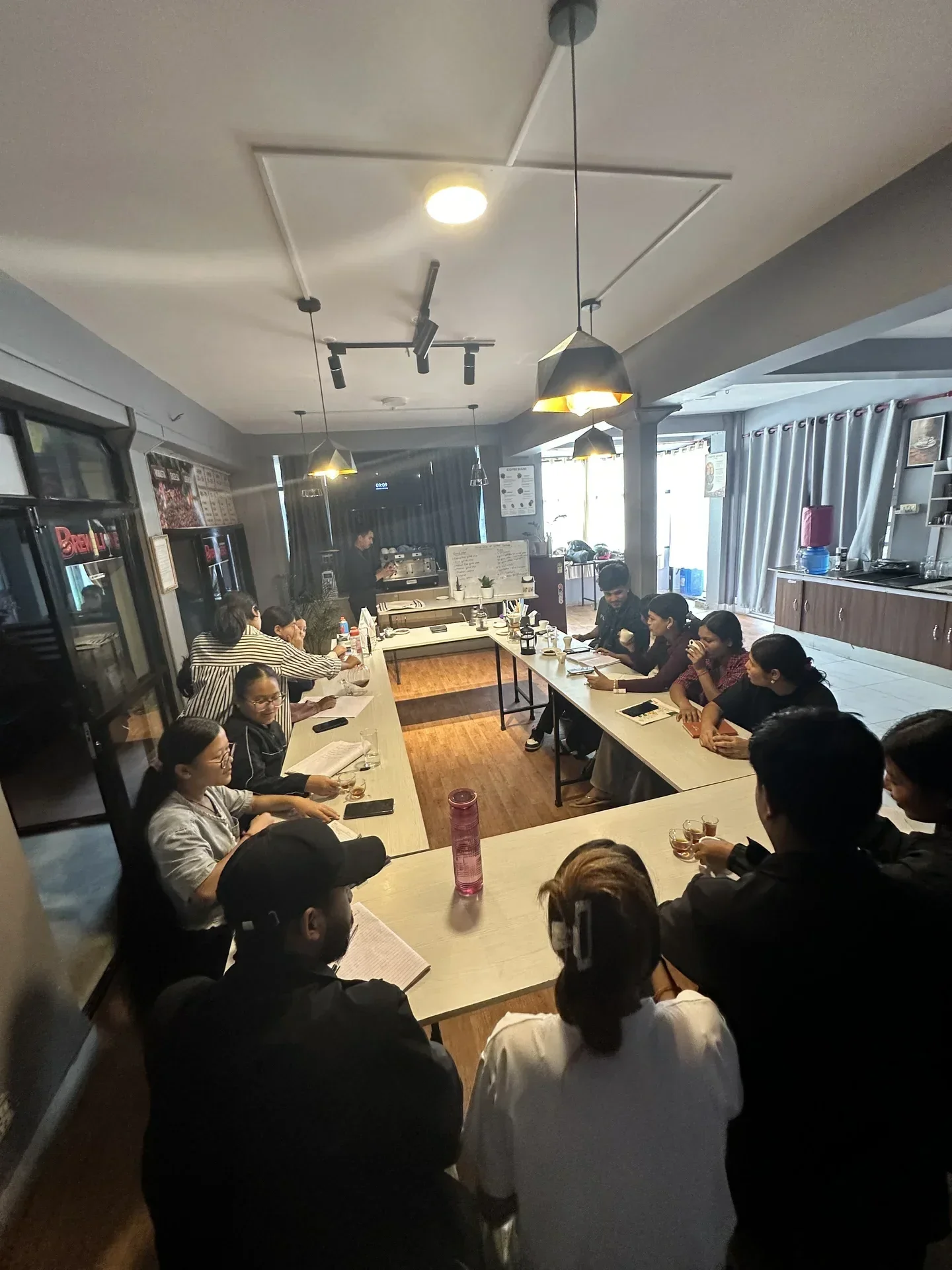
If you're searching for the best bartending course in Kathmandu or a trusted bartending school in Lalitpur, Brewliners Bartending School offers practical, industry-focused training designed for beginners.
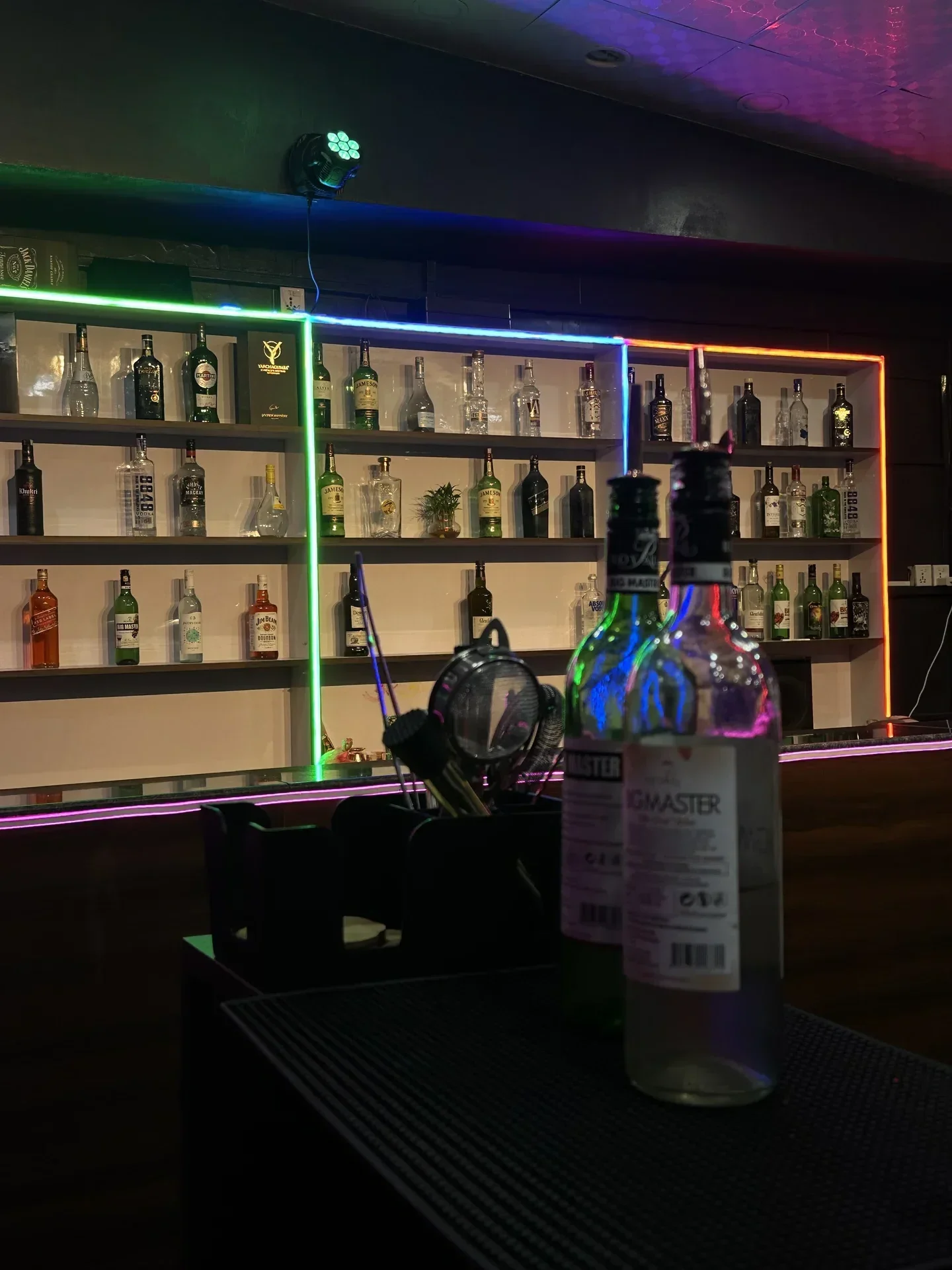
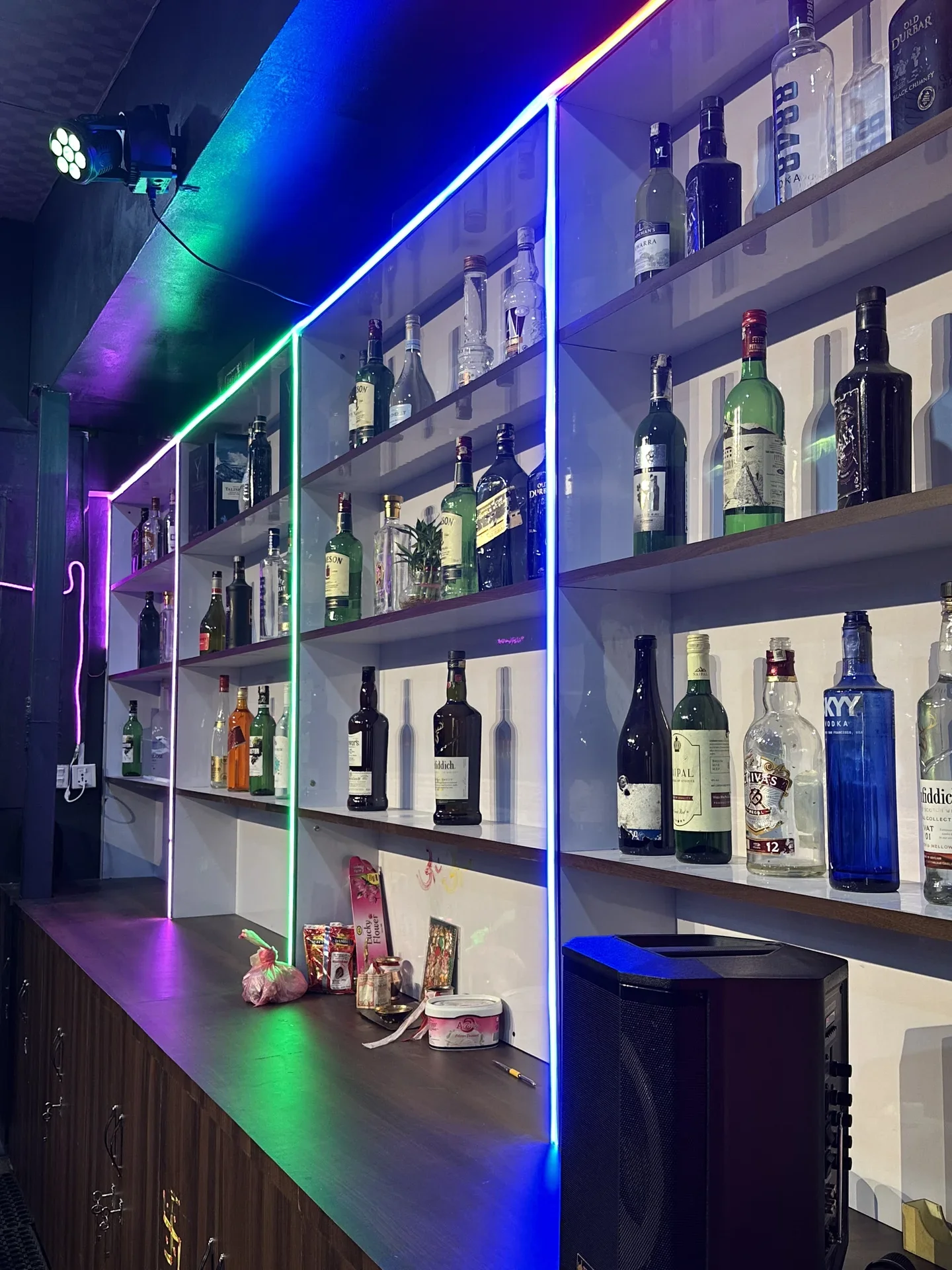
With training centers in Balaju, Kathmandu, and Lagankhel, Lalitpur, students receive hands-on instruction using professional bar equipment while learning from experienced hospitality trainers.
Our goal is simple: help every student become confident, skilled, and job-ready.
Final Thoughts
Mistakes are part of every learning journey.
What matters is learning from them before they affect your confidence or career.
By understanding these common bartending mistakes and developing good habits through practical training, you'll become a more professional, efficient, and customer-focused bartender.
At Brewliners Bartending School, we don't just teach recipes—we help students build the practical skills, confidence, and professionalism needed to succeed in Nepal's growing hospitality industry and beyond.
Your journey to becoming a great bartender starts with learning the right way.
Frequently Asked Questions
What is the most common mistake beginner bartenders make?
One of the most common mistakes is guessing ingredient measurements instead of using proper bar tools. Consistency is essential for making quality drinks.
How can I become a better bartender?
Practice regularly, learn beverage knowledge, improve customer service skills, and complete a hands-on bartending course where you receive guidance from experienced instructors.
Is practical bartending training important?
Yes. Practical training helps you develop confidence, speed, and professional techniques that are difficult to learn through theory alone.
Where can I learn bartending in Kathmandu or Lalitpur?
Brewliners Bartending School offers practical bartending training at Balaju, Kathmandu, and Lagankhel, Lalitpur, helping beginners develop real-world hospitality skills.