Clean equipment produces better coffee and lasts longer.
Have you ever wondered what actually happens inside a professional barista course?
Many people think barista training is simply about making coffee. In reality, a professional course teaches much more than preparing espresso or pouring latte art. It combines coffee knowledge, practical skills, customer service, café workflow, and real-world experience to prepare students for successful careers in the hospitality industry.
Whether you dream of working in a specialty coffee shop, a luxury hotel, an international café chain, or even opening your own coffee business, the right training gives you the confidence and practical skills employers are looking for.
If you're considering enrolling in a barista course in Kathmandu, here's what you can expect to learn.
1. Coffee Fundamentals
Every professional journey begins with understanding coffee itself.
Students learn about:
- Coffee history
- Coffee-growing regions
- Arabica vs. Robusta beans
- Coffee processing methods
- Roast levels
- Flavor profiles
This knowledge helps baristas understand why different coffees taste unique and how to recommend the right drinks to customers.
2. Espresso Preparation
Espresso is the foundation of most café beverages.
Students learn how to:
- Grind coffee correctly
- Dose and distribute coffee evenly
- Tamp properly
- Pull balanced espresso shots
- Recognize under-extraction and over-extraction
- Improve espresso consistency
Mastering espresso is one of the most important skills in professional coffee making.
3. Coffee Grinder Adjustment
Even the best espresso machine cannot produce excellent coffee without the correct grind size.
Students practice:
- Adjusting grind settings
- Understanding extraction
- Responding to weather and humidity changes
- Maintaining consistent coffee quality
Learning how to "dial in" espresso is a skill used every day in professional cafés.
4. Milk Steaming Techniques
Perfect milk transforms a good coffee into an exceptional one.
Students learn how to:
- Steam milk correctly
- Create silky microfoam
- Control milk temperature
- Texture milk for different drinks
- Prepare café-quality cappuccinos and lattes
Milk steaming is also the foundation of latte art.
5. Latte Art
Latte art combines creativity with technical precision.
Beginners learn how to pour:
- Hearts
- Tulips
- Rosettas
These designs improve presentation and demonstrate professional-level milk texture and pouring control.
6. Popular Coffee Drinks
A professional barista should understand how to prepare the drinks customers order every day.
Training usually includes:
- Espresso
- Americano
- Cappuccino
- Café Latte
- Flat White
- Mocha
- Macchiato
Students also learn proper serving techniques and beverage presentation.
7. Café Equipment Operation
Professional courses introduce students to commercial café equipment, including:
- Espresso machines
- Coffee grinders
- Steam wands
- Milk pitchers
- Coffee scales
- Tampers
- Brewing equipment
Learning on commercial equipment prepares students for real workplace environments.
8. Equipment Cleaning and Maintenance
Clean equipment produces better coffee and lasts longer.
Students learn:
- Daily cleaning routines
- Steam wand hygiene
- Group head maintenance
- Grinder cleaning
- Basic machine care
These habits are essential in every professional café.
9. Customer Service and Café Etiquette
Making excellent coffee is only part of the job.
Professional baristas also learn how to:
- Welcome customers
- Take orders confidently
- Recommend beverages
- Handle complaints professionally
- Communicate effectively
- Work as part of a team
Outstanding customer service often leads to loyal customers and better career opportunities.
10. Real Café Workflow
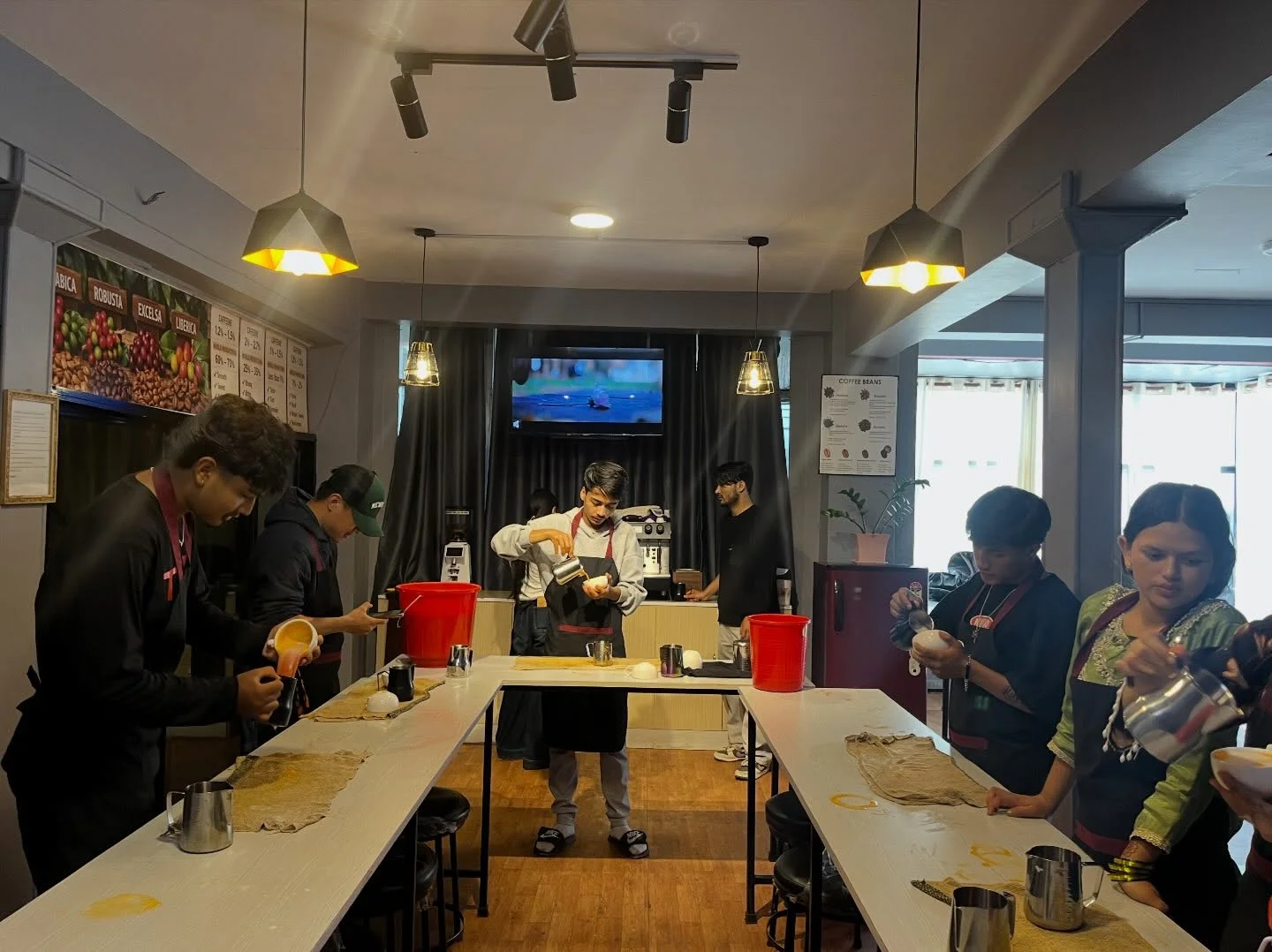
One of the biggest differences between theory and professional training is learning how cafés actually operate.
Students experience:
- Multi-drink preparation
- Time management
- Team coordination
- Working under pressure
- Maintaining consistency during busy service
These practical skills make the transition into employment much smoother.
Why Hands-On Training Makes the Difference
Reading about coffee builds knowledge.
Preparing hundreds of espresso shots, steaming milk every day, and working with commercial equipment builds confidence.
Employers value graduates who already understand real café operations and can contribute from their first day on the job.
That's why practical training is the heart of every successful barista course.
Learn Professional Barista Skills at Brewliners Barista School
If you're searching for the best barista course in Kathmandu or professional coffee training in Nepal, Brewliners Barista School offers a practical, industry-focused program designed to prepare students for real café careers.
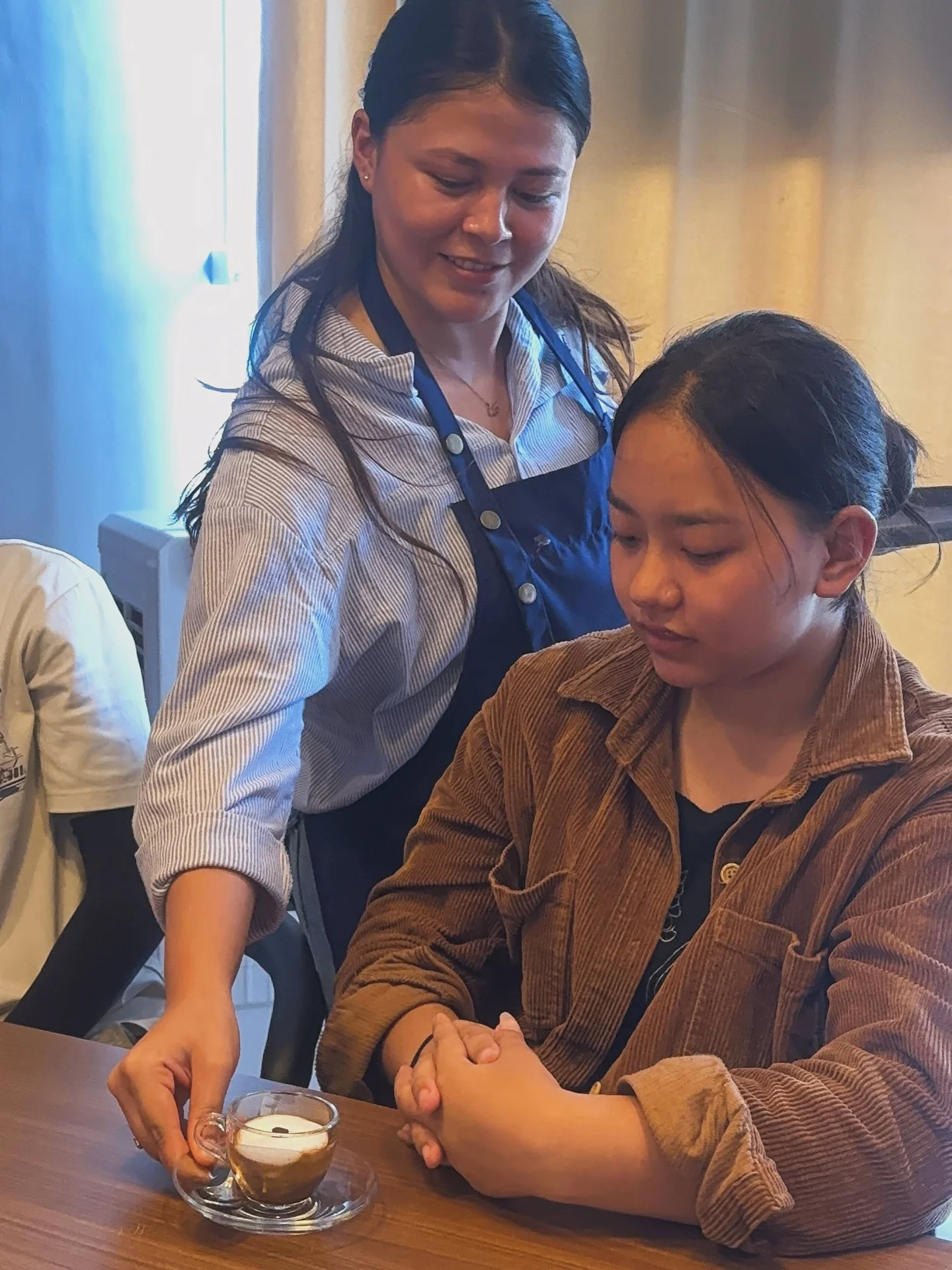
With training centers in Balaju, Kathmandu, and Lagankhel, Lalitpur, students receive hands-on experience using commercial espresso machines and professional coffee equipment under the guidance of experienced trainers.
Our comprehensive curriculum includes:
- Coffee fundamentals
- Espresso extraction
- Grinder adjustment
- Milk steaming
- Latte art
- Coffee brewing methods
- Café workflow
- Equipment maintenance
- Customer service
- Professional hospitality skills
Whether you're starting from scratch or improving your existing skills, Brewliners helps you become a confident, job-ready barista.
Final Thoughts
A professional barista course is about much more than learning coffee recipes.
It's about developing practical skills, understanding café operations, building confidence, and preparing for a rewarding career in one of the world's fastest-growing industries.
If you're passionate about coffee and want to turn that passion into a profession, investing in quality hands-on training is one of the smartest steps you can take.
Every successful coffee career begins with learning the right skills from the very beginning.
Frequently Asked Questions
What do you learn in a professional barista course?
A professional barista course typically covers coffee fundamentals, espresso extraction, grinder adjustment, milk steaming, latte art, beverage preparation, equipment maintenance, customer service, and café workflow.
Is a barista course suitable for complete beginners?
Yes. Most professional courses are designed for beginners and gradually build practical skills through guided hands-on training.
How long does it take to learn barista skills?
The basics can be learned within a structured course, but confidence and speed improve with regular practice and real café experience.
Where can I join a professional barista course in Nepal?
Brewliners Barista School offers hands-on barista training at Balaju, Kathmandu, and Lagankhel, Lalitpur, helping students develop industry-ready coffee and hospitality skills.