
Every cup tells a story that began on a coffee farm long before it reached your hands.
Every morning, millions of people enjoy a cup of coffee without thinking about the incredible journey it has taken to reach their mug.
Behind every espresso, cappuccino, or latte is a story that begins high in the mountains, where coffee cherries grow under the care of dedicated farmers. Before those beans reach your favorite café, they pass through harvesting, processing, roasting, packaging, shipping, grinding, and brewing.
Understanding this journey helps you appreciate not only the drink itself but also the people and craftsmanship behind every cup.
If you're planning to join a barista course in Kathmandu or simply want to understand coffee more deeply, learning the journey from farm to cup is an essential part of becoming a knowledgeable coffee professional.
Step 1: Growing Coffee
Coffee begins as a plant.
Coffee trees grow best in tropical regions with moderate temperatures, fertile soil, and consistent rainfall. These areas, often called the Coffee Belt, stretch around the equator and include countries in South America, Africa, and Asia.
The two most widely cultivated coffee species are:
- Arabica – Known for its smooth, sweet, and complex flavors.
- Robusta – Known for its stronger taste, higher caffeine content, and fuller body.
Healthy growing conditions play a major role in the quality of the final cup.
Step 2: Harvesting Coffee Cherries
Coffee beans don't grow on their own—they grow inside bright red fruits called coffee cherries.
When the cherries ripen, farmers harvest them by:
- Hand-picking, selecting only the ripest cherries for premium-quality coffee.
- Machine harvesting, which is faster but may collect cherries at different stages of ripeness.
The quality of the harvest has a direct impact on the flavor of the coffee.
Step 3: Processing the Coffee
After harvesting, the outer fruit must be removed to reveal the coffee beans inside.
The three most common processing methods are:
Washed Process
The fruit is removed before the beans are dried.
This often produces coffee with bright acidity and clean flavors.
Natural Process
The cherries are dried with the fruit still surrounding the beans.
This method can create sweeter, fruit-forward flavor profiles.
Honey Process
Some of the fruit is removed while a layer of sticky mucilage remains during drying.
Honey-processed coffees often offer a balance of sweetness, body, and acidity.
Each processing method influences the final taste of the coffee.
Step 4: Drying and Milling
The beans are carefully dried until they reach the appropriate moisture level.
They are then milled to remove protective layers and sorted according to size, density, and quality.
Only beans that meet quality standards continue to the next stage.
Step 5: Roasting
Green coffee beans have very little aroma.
Roasting transforms them into the fragrant beans we recognize.
During roasting, heat develops:
- Aroma
- Sweetness
- Body
- Acidity
- Flavor complexity
Roasters choose different roast levels depending on the coffee and the desired taste profile.
Step 6: Packaging and Distribution
Freshly roasted coffee is packaged to preserve its quality before being shipped to cafés, restaurants, retailers, and customers around the world.
Proper packaging helps protect coffee from:
- Oxygen
- Moisture
- Light
- Excessive heat
These factors can reduce freshness and flavor over time.
Step 7: Grinding
Just before brewing, coffee is ground to match the brewing method.
Different brewing styles require different grind sizes:
- Fine for espresso
- Medium for pour-over
- Coarse for French Press and cold brew
Grinding immediately before brewing helps preserve aroma and flavor.
Step 8: Brewing
Finally, the coffee is brewed.
The brewing method influences the final cup by affecting extraction, body, sweetness, and aroma.
Popular brewing methods include:
- Espresso
- Pour Over (V60)
- French Press
- AeroPress
- Chemex
- Cold Brew
Each method reveals different characteristics of the same coffee beans.
Step 9: Served by a Skilled Barista
The final step in the journey belongs to the barista.
Professional baristas combine technical skills with customer service to prepare coffee consistently and create memorable café experiences.
Their responsibilities include:
- Grinding fresh coffee
- Calibrating espresso machines
- Steaming milk
- Pouring latte art
- Maintaining equipment
- Serving customers professionally
A great barista respects every stage of the coffee journey—from the farmer's hard work to the customer's final sip.
Learn the Journey of Coffee at Brewliners Barista School
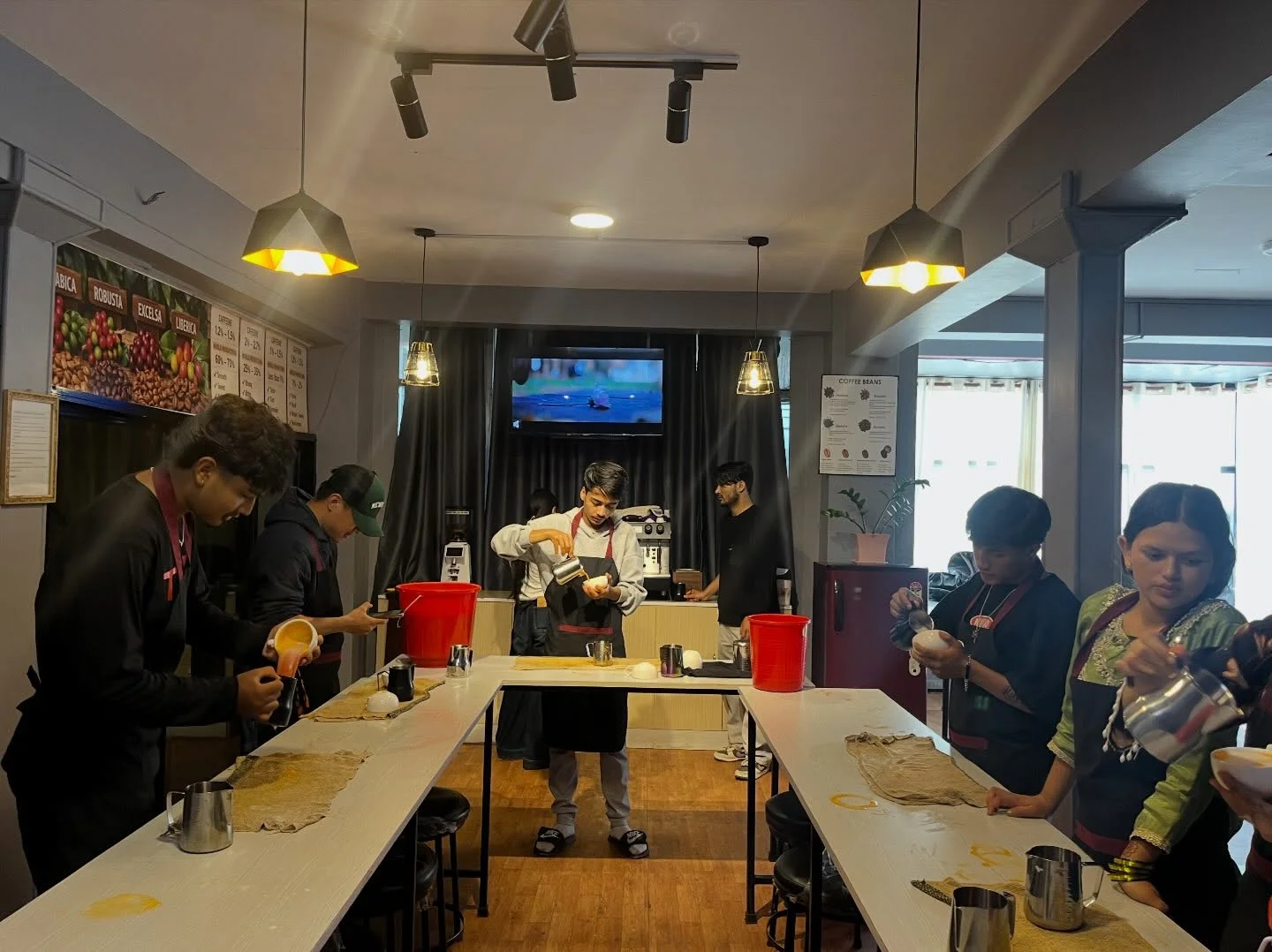
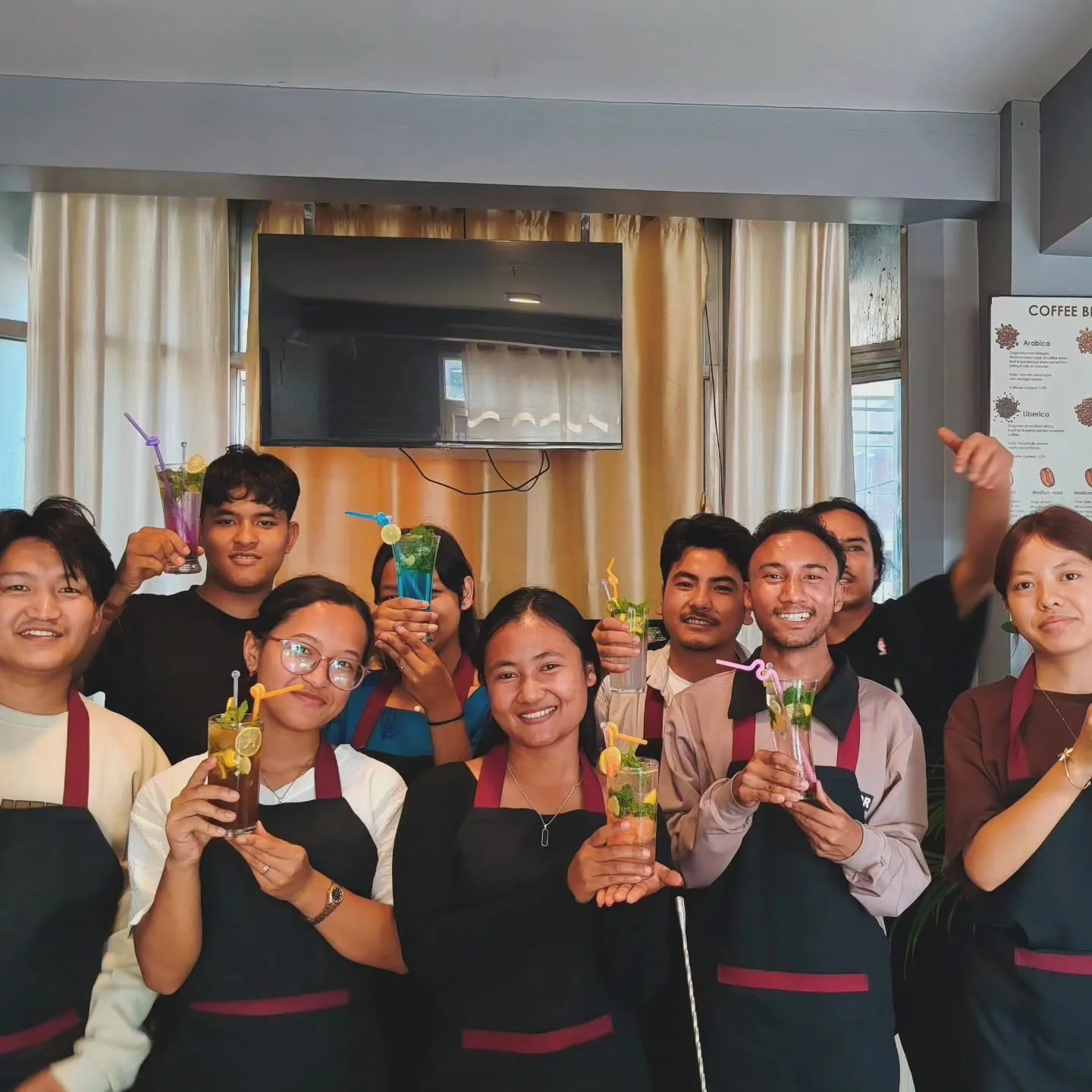
If you're searching for the best barista course in Kathmandu or professional coffee training in Nepal, Brewliners Barista School teaches students much more than coffee recipes.
With campuses in Balaju, Kathmandu, and Lagankhel, Lalitpur, students gain practical experience while learning the complete story of coffee—from bean origins to professional beverage preparation.
Our training includes:
- Coffee origins and processing
- Espresso extraction
- Coffee grinder adjustment
- Brewing methods
- Milk steaming
- Latte art
- Specialty coffee knowledge
- Equipment maintenance
- Café workflow
- Professional customer service
Students leave with both practical skills and a deeper appreciation for the coffee industry.
Why Understanding the Journey Matters
Knowing where coffee comes from helps baristas make better decisions behind the espresso machine.
It also helps them explain coffee to customers, recommend beverages with confidence, and appreciate the effort involved in producing every cup.
The more you understand the journey from farm to cup, the more meaningful every coffee experience becomes.
Final Thoughts
Coffee is far more than a beverage.
It represents the dedication of farmers, the expertise of processors and roasters, the precision of baristas, and the enjoyment of millions of people around the world.
Every cup tells a story that began on a coffee farm long before it reached your hands.
Whether you're a coffee enthusiast or an aspiring professional barista, understanding this journey is one of the best ways to deepen your appreciation for coffee and the people who make it possible.
Frequently Asked Questions
How long does coffee take to travel from farm to cup?
The journey varies depending on the country of origin, processing, shipping, roasting, and distribution. It can take weeks or even months before roasted coffee reaches cafés and consumers.
What are the main stages of coffee production?
Coffee typically goes through growing, harvesting, processing, drying, milling, roasting, packaging, grinding, and brewing before it is served.
Why is coffee processing important?
Processing affects sweetness, acidity, body, and the overall flavor profile of the finished coffee.
Where can I learn about coffee professionally in Nepal?
Brewliners Barista School offers hands-on training at Balaju, Kathmandu, and Lagankhel, Lalitpur, where students learn coffee origins, brewing methods, espresso preparation, latte art, and professional café skills.