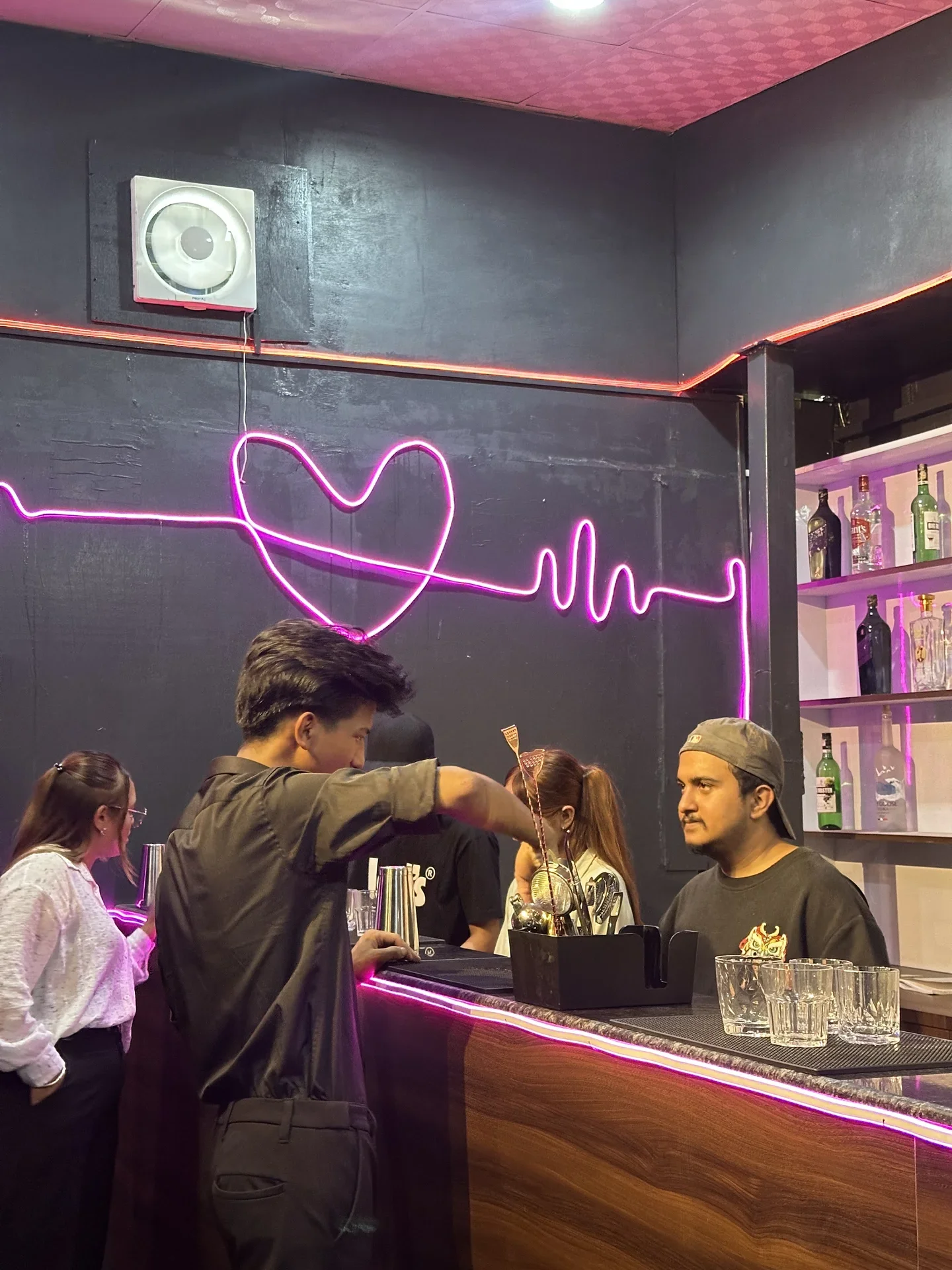
Have you ever watched a professional bartender prepare a drink and wondered how everything looks so effortless?
From perfectly measured pours to beautifully garnished cocktails and refreshing mocktails, every great drink starts with the right tools. Behind every confident bartender is a well-organized workstation equipped with essential bar equipment that makes preparation faster, more accurate, and more enjoyable.
If you're planning to join a bartending course in Kathmandu or begin your journey into Nepal's growing hospitality industry, learning about professional bartending tools is one of the first steps toward becoming job-ready.
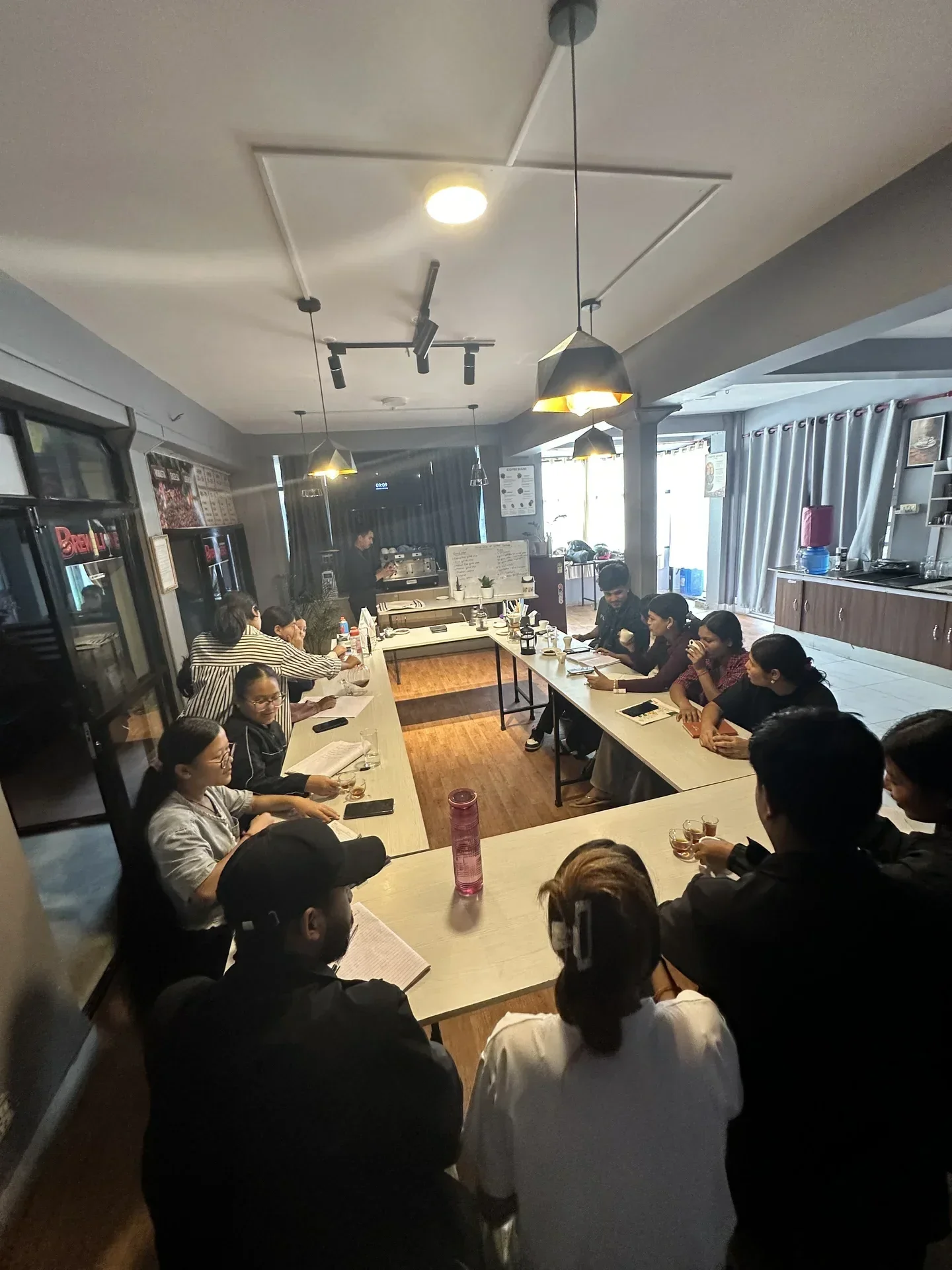
At Brewliners Bartending School, with training centers in Balaju, Kathmandu and Lagankhel, Lalitpur, students receive hands-on experience using industry-standard bar equipment from day one.
Let's explore the 10 essential bartending tools every beginner should know.
Why Bartending Tools Matter
Professional bartending isn't just about mixing ingredients—it's about precision, consistency, speed, and presentation.
Using the right tools helps you:
- Prepare drinks accurately
- Work efficiently during busy service hours
- Maintain consistency in every beverage
- Improve drink presentation
- Build confidence behind the bar
- Meet professional hospitality standards
Whether you're preparing a classic cocktail or a refreshing mocktail, the right equipment makes all the difference.
1. Cocktail Shaker
The cocktail shaker is one of the most recognizable bartending tools.
It is used to combine ingredients quickly while chilling drinks with ice, creating smooth and well-balanced beverages.
You'll commonly use it when preparing:
- Mojitos
- Margaritas
- Cosmopolitans
- Whiskey Sours
- Fruit-based cocktails
Learning proper shaking techniques helps improve both flavor and presentation.
2. Jigger (Measuring Tool)
Consistency is essential in bartending.
A jigger helps bartenders measure liquids accurately, ensuring every drink has the correct balance of ingredients.
Using a jigger prevents waste, improves quality, and creates a consistent customer experience.
Professional bartenders rarely guess measurements—they measure with precision.
3. Bar Spoon
A bar spoon may look simple, but it's an essential tool for stirring cocktails, layering drinks, and gently mixing ingredients.
Its long handle allows bartenders to reach the bottom of tall mixing glasses without disturbing delicate ingredients.
4. Strainer
After shaking or stirring, many drinks need to be strained before serving.
A strainer removes:
- Ice
- Fruit pieces
- Herbs
- Seeds
- Other solid ingredients
This results in a smooth, professional-looking beverage.
5. Muddler
Fresh herbs and fruits release their best flavors when gently pressed.
A muddler is used to crush ingredients such as:
- Mint leaves
- Lime wedges
- Basil
- Berries
- Sugar cubes
This step adds freshness and aroma to many popular cocktails and mocktails.
6. Pour Spout
Speed and accuracy are important during busy service.
A pour spout fits onto bottles and allows bartenders to pour liquids smoothly while reducing spills and waste.
It's a simple tool that makes a big difference during high-volume service.
7. Ice Scoop
Ice is an essential ingredient in most beverages.
Professional bartenders never use their hands to handle ice.
An ice scoop improves hygiene while making drink preparation faster and more efficient.
8. Mixing Glass
Not every drink should be shaken.
Classic cocktails that require a smoother texture are often stirred in a mixing glass before being strained into the serving glass.
Understanding when to shake and when to stir is an important bartending skill.
9. Bottle Opener and Wine Key
Every bartender should know how to open beverage bottles safely and efficiently.
A professional wine key combines several functions, including:
- Bottle opener
- Corkscrew
- Foil cutter
It's one of the most practical tools you'll use every day.
10. Garnishing Tools
Presentation is a big part of hospitality.
Professional bartenders use garnishing tools to create attractive finishing touches with:
- Lemon twists
- Orange peels
- Mint sprigs
- Fruit slices
- Cherries
- Edible decorations
Beautiful presentation enhances the overall customer experience.
Bonus Tip: Your Knowledge Is Your Most Valuable Tool
Owning professional equipment is helpful, but your skills make the biggest difference.
Successful bartenders also develop:
- Customer service
- Beverage knowledge
- Mixology techniques
- Communication skills
- Time management
- Hygiene and safety practices
- Confidence under pressure
Professional training helps combine these skills with practical experience.
Learn to Use Professional Bartending Tools at Brewliners Bartending School
If you're looking for the best bartending course in Kathmandu or a trusted bartending school in Lalitpur, Brewliners Bartending School provides practical, career-focused training designed for beginners and aspiring hospitality professionals.
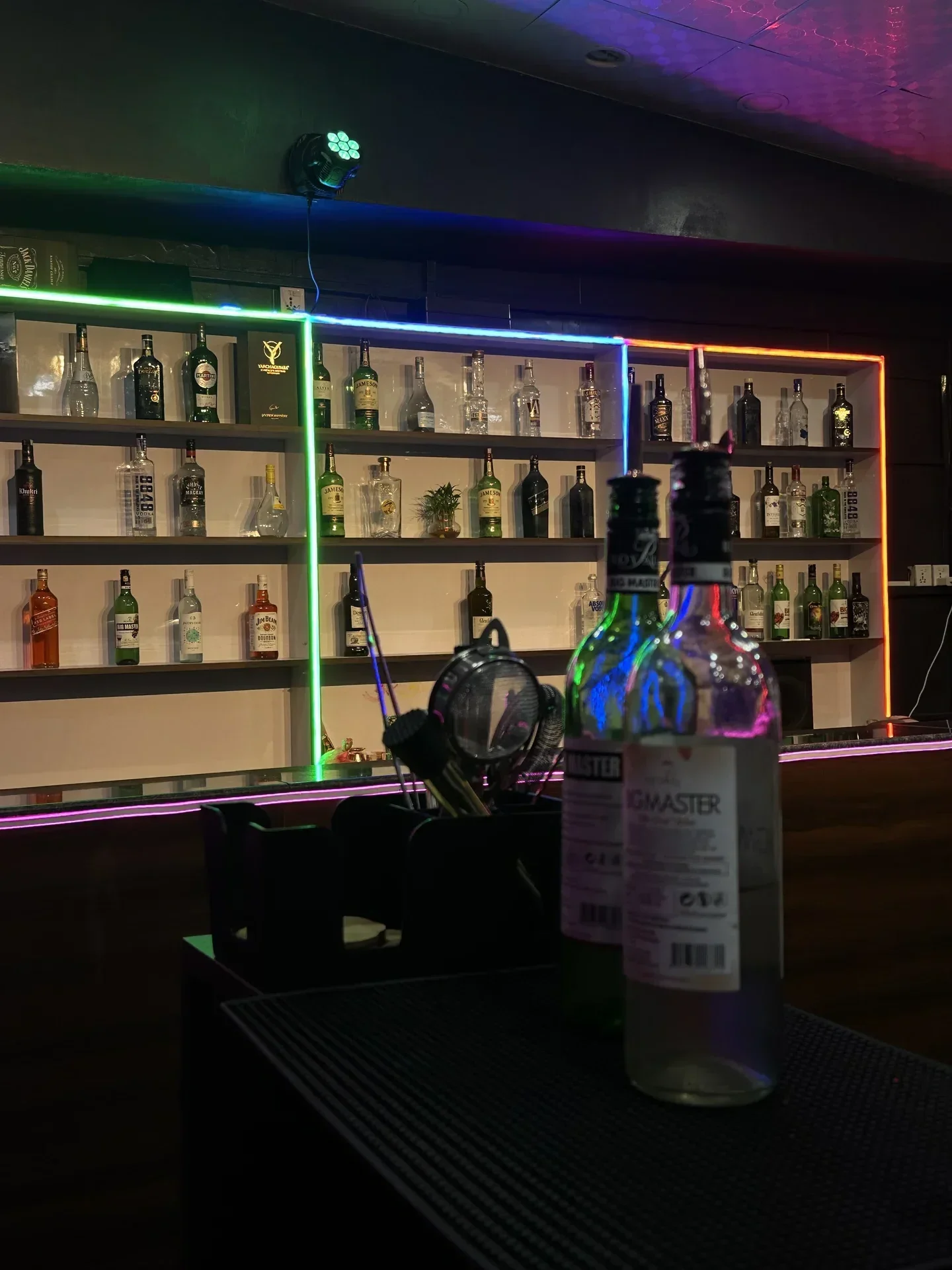
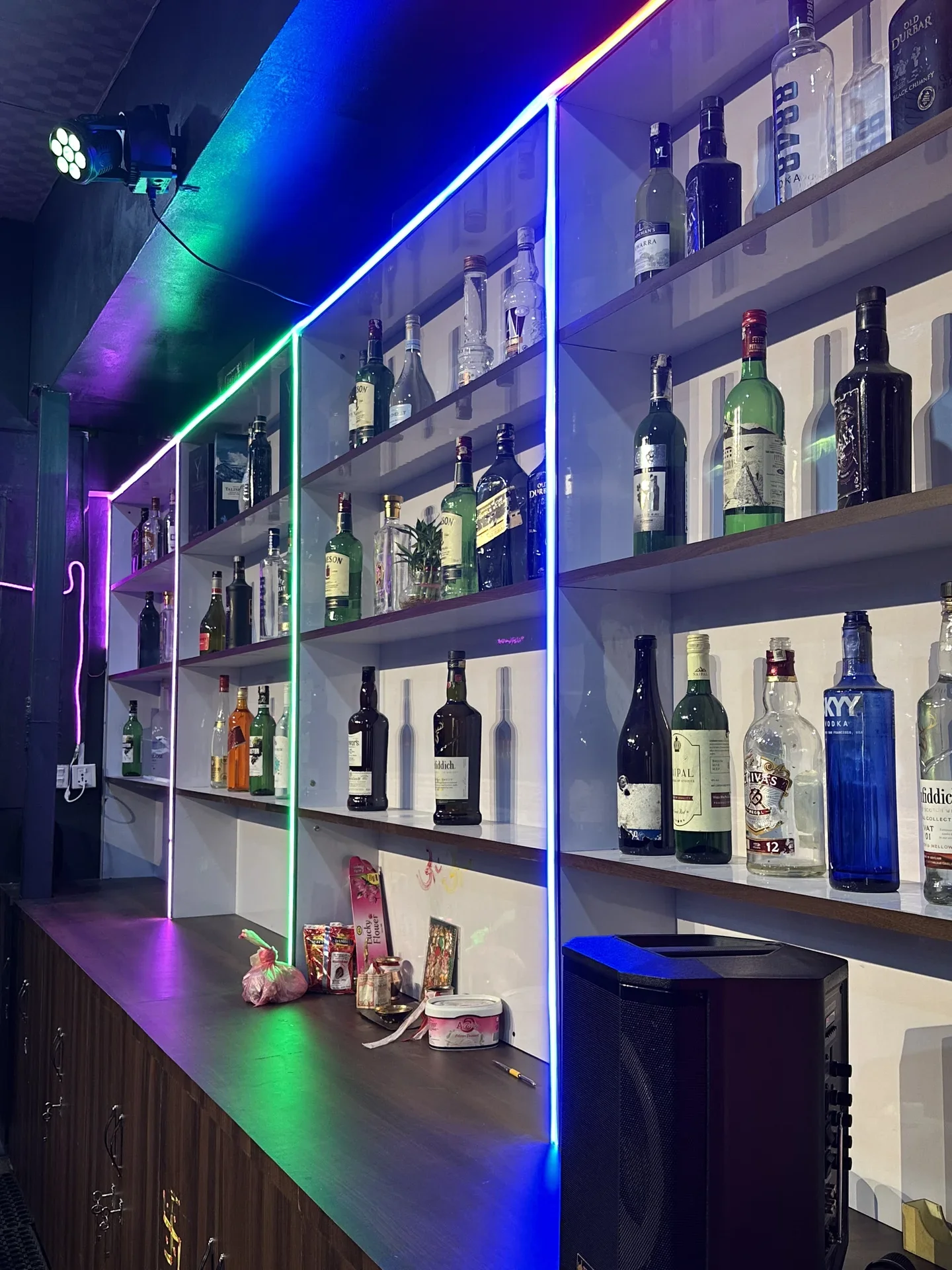
With training centers in Balaju, Kathmandu, and Lagankhel, Lalitpur, students receive hands-on instruction using professional bartending tools in a real-world learning environment.
During the course, you'll learn:
- Professional bar setup
- Cocktail preparation
- Mocktail creation
- Mixology techniques
- Beverage knowledge
- Customer service
- Speed and workflow
- Safe and hygienic bar practices
Our experienced trainers help students build the confidence needed to work in cafés, restaurants, hotels, resorts, lounges, and bars across Nepal and beyond.
Why Choose Brewliners Bartending School?
Students choose Brewliners because we focus on practical learning that reflects the real hospitality industry.
We offer:
- Hands-on practical training
- Experienced instructors
- Industry-standard bar equipment
- Beginner-friendly classes
- Small batches for personalized guidance
- Career-focused curriculum
- Certification upon successful completion
Whether you dream of working in Nepal or pursuing hospitality opportunities abroad, Brewliners provides the foundation you need to succeed.
Final Thoughts
Every professional bartender starts by learning the basics.
Mastering these ten essential bartending tools will help you work more efficiently, prepare drinks with confidence, and deliver exceptional customer experiences.
Combined with practical training and regular practice, these tools become the foundation of a rewarding bartending career.
If you're ready to take the first step, join Brewliners Bartending School and start building the skills that employers value.
Whether you're in Balaju, Kathmandu, Lagankhel, Lalitpur, or anywhere in Nepal, your bartending journey starts here.
Frequently Asked Questions
What tools does a beginner bartender need?
Every beginner should become familiar with a cocktail shaker, jigger, bar spoon, strainer, muddler, pour spout, ice scoop, mixing glass, bottle opener, and garnishing tools.
Do I need to buy my own bartending tools?
Not necessarily. At Brewliners Bartending School, students train using professional bar equipment during practical sessions, allowing them to gain hands-on experience before investing in their own toolkit.
Can beginners learn bartending without experience?
Yes. Our bartending courses are designed for beginners and cover everything from bar tools and drink preparation to customer service and professional bar operations.
Where can I learn bartending in Kathmandu or Lalitpur?
Brewliners Bartending School offers practical bartending training at Balaju, Kathmandu, and Lagankhel, Lalitpur, making it convenient for students from across the Kathmandu Valley.
Is bartending a good career in Nepal?
Yes. With Nepal's growing hospitality and tourism industries, skilled bartenders are in demand in hotels, restaurants, cafés, resorts, lounges, and event venues. Professional training can help you build the skills needed for these opportunities.