From the farmers who cultivate exceptional beans to the baristas who prepare every cup with precision, the movement celebrates coffee as a product worth understanding and appreciating.
Walk into a modern specialty coffee shop today, and you'll probably hear words like single-origin, pour-over, light roast, micro-lot, or specialty coffee.
These terms are all part of a movement known as Third Wave Coffee.
But what exactly does it mean?
Third Wave Coffee isn't just about serving expensive coffee or using fancy equipment. It's a philosophy that treats coffee as an artisan product, much like fine wine or premium tea. Every step—from the farm where the beans are grown to the final cup served to the customer—is carefully considered to highlight quality, sustainability, and flavor.
If you're planning to join a barista course in Kathmandu or simply want to deepen your coffee knowledge, understanding Third Wave Coffee is an essential step toward becoming a modern coffee professional.
What Is Third Wave Coffee?
Third Wave Coffee is a movement that focuses on producing and serving the highest-quality coffee possible.
Instead of treating coffee as a mass-produced beverage, Third Wave cafés emphasize:
- High-quality coffee beans
- Ethical sourcing
- Traceability
- Skilled roasting
- Precise brewing methods
- Customer education
- Exceptional café experiences
The goal is to showcase the unique flavors of each coffee rather than masking them with sugar, syrups, or overly dark roasting.
The Three Waves of Coffee
To understand Third Wave Coffee, it's helpful to look at how coffee culture has evolved over time.
First Wave Coffee
The first wave made coffee widely available to households.
Convenience was the priority, with instant coffee and supermarket brands becoming popular.
Coffee was seen as an everyday beverage rather than something to explore.
Second Wave Coffee
The second wave introduced café culture.
People became familiar with drinks like:
- Cappuccino
- Café Latte
- Mocha
- Espresso
Coffee shops became social spaces where customers enjoyed handcrafted beverages and a wider variety of coffee options.
Third Wave Coffee
The third wave shifted the focus from simply drinking coffee to appreciating coffee.
Every stage matters:
- Farming
- Harvesting
- Processing
- Roasting
- Grinding
- Brewing
- Serving
Customers are encouraged to understand where their coffee comes from and how different brewing techniques influence flavor.
What Makes Third Wave Coffee Different?
Specialty Coffee Beans
Third Wave cafés prioritize premium-quality beans with distinctive flavor profiles.
Many coffees are sourced from specific farms or regions, allowing customers to experience unique tastes and aromas.
Light and Medium Roasting
Rather than using very dark roasts, Third Wave roasters often choose lighter roast profiles that preserve the natural characteristics of the coffee.
This allows fruity, floral, chocolate, nutty, or citrus notes to shine through.
Precision Brewing
Baristas pay close attention to:
- Water temperature
- Brew time
- Grind size
- Coffee-to-water ratio
- Extraction
Small adjustments can significantly affect the final flavor.
Sustainability and Ethical Sourcing
Many Third Wave coffee businesses build relationships with farmers and prioritize responsible sourcing practices.
Supporting quality production often benefits both coffee growers and consumers.
Popular Third Wave Brewing Methods
Specialty cafés commonly prepare coffee using methods such as:
- Espresso
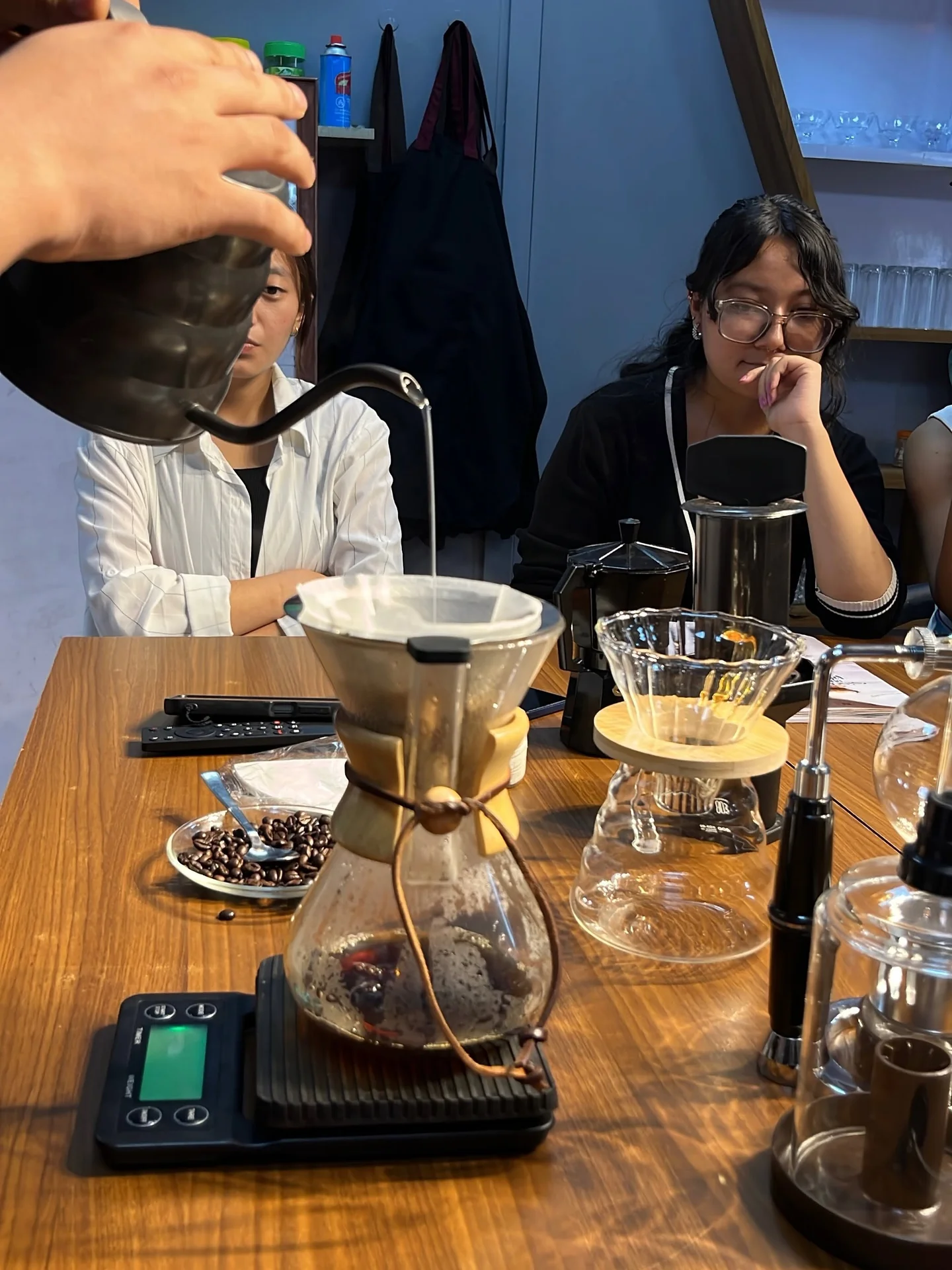
- Pour Over (V60)
- Chemex
- AeroPress
- French Press
- Cold Brew
Each brewing method highlights different characteristics of the coffee.
Why Third Wave Coffee Matters for Baristas
Today's professional baristas are expected to understand much more than recipes.
They should know:
- Coffee origins
- Processing methods
- Roast profiles
- Brewing science
- Extraction
- Customer communication
- Equipment calibration
This knowledge helps create memorable coffee experiences and builds trust with customers.
Learn Specialty Coffee at Brewliners Barista School
If you're searching for the best barista course in Kathmandu or professional coffee training in Nepal, Brewliners Barista School introduces students to both traditional café skills and modern specialty coffee techniques.
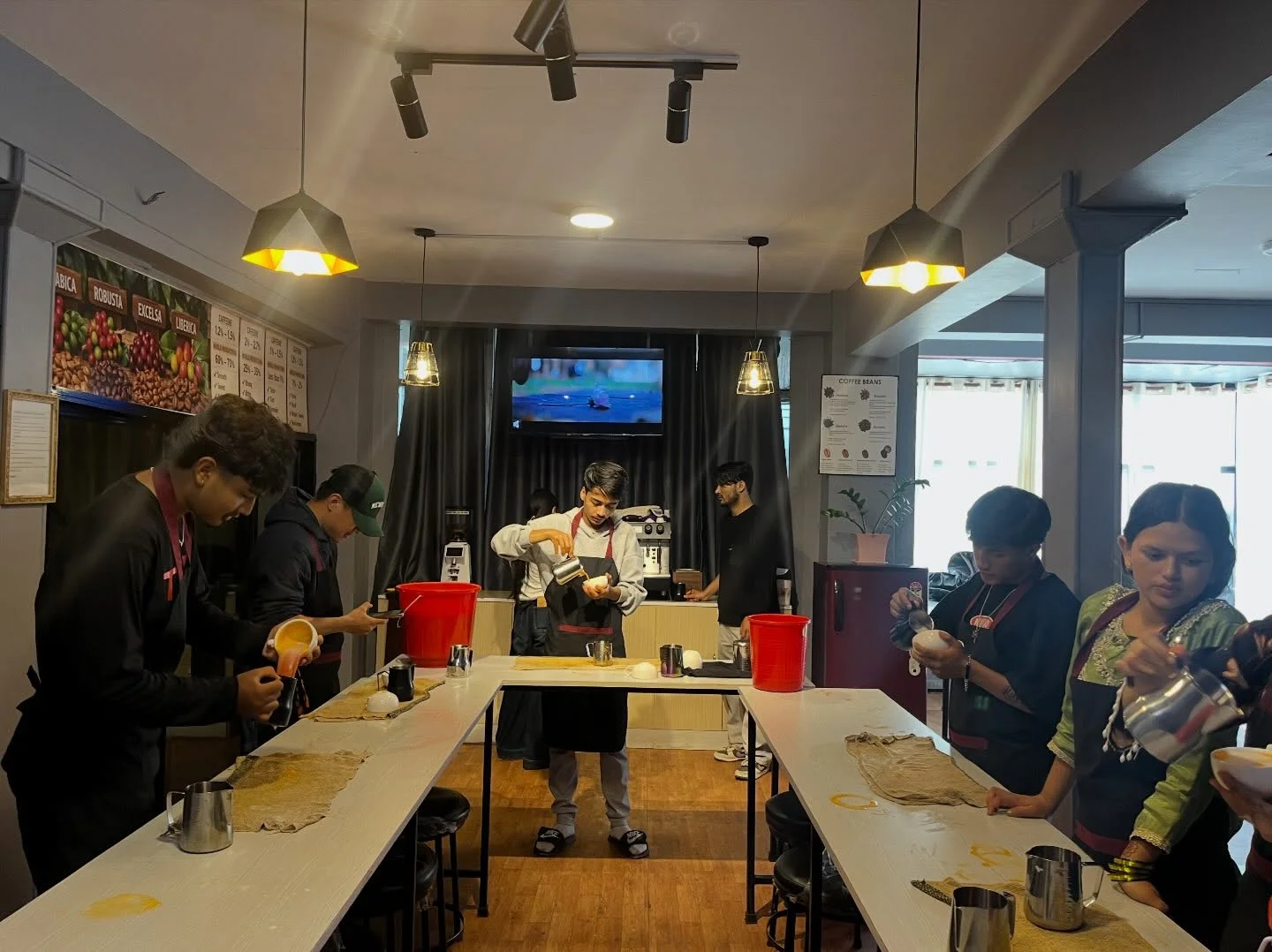
With campuses in Balaju, Kathmandu, and Lagankhel, Lalitpur, students gain practical experience using commercial coffee equipment while learning the principles behind specialty coffee preparation.
Our training includes:
- Coffee fundamentals
- Specialty coffee concepts
- Espresso extraction
- Grinder adjustment
- Milk steaming
- Latte art
- Brewing methods
- Equipment maintenance
- Café workflow
- Professional customer service
Students graduate with practical skills and a deeper appreciation for coffee quality and craftsmanship.
The Future of Coffee in Nepal
Nepal's coffee scene is growing rapidly.
As more specialty cafés open in Kathmandu, Lalitpur, and other cities, customers are becoming increasingly interested in high-quality coffee, unique flavor profiles, and skilled baristas.
Understanding Third Wave Coffee gives aspiring baristas a competitive advantage and prepares them for careers in modern cafés where quality, consistency, and customer experience are top priorities.
Final Thoughts
Third Wave Coffee is more than a trend—it's a commitment to quality, craftsmanship, and respect for everyone involved in the coffee journey.
From the farmers who cultivate exceptional beans to the baristas who prepare every cup with precision, the movement celebrates coffee as a product worth understanding and appreciating.
Whether you're a coffee lover or an aspiring professional, learning about Third Wave Coffee is one of the best ways to deepen your knowledge and elevate your coffee experience.
Frequently Asked Questions
What is Third Wave Coffee?
Third Wave Coffee is a movement that treats coffee as a high-quality artisan product, focusing on specialty beans, precise brewing, ethical sourcing, and exceptional customer experiences.
Is Third Wave Coffee better than regular coffee?
Not necessarily better for everyone, but it emphasizes quality, traceability, freshness, and unique flavor profiles that many coffee enthusiasts appreciate.
Why is Third Wave Coffee important for baristas?
It helps baristas understand coffee origins, brewing techniques, extraction, and customer education, making them more skilled and knowledgeable professionals.
Where can I learn specialty coffee skills in Nepal?
Brewliners Barista School offers hands-on training at Balaju, Kathmandu, and Lagankhel, Lalitpur, covering espresso preparation, brewing methods, latte art, and specialty coffee concepts.