While no course can guarantee a job, the right training gives you a stronger foundation and prepares you to make the most of the opportunities available.
If you love coffee and have been thinking about becoming a barista, you've probably asked yourself one important question:
"Is a barista course really worth it?"
The answer depends on what you want from your future.
If your goal is simply to make coffee at home, you can learn some basics from videos and articles. But if you're planning to work in cafés, hotels, restaurants, cruise ships, or even open your own coffee business, professional barista training can make a significant difference.
In Nepal, the café industry is growing rapidly. New specialty coffee shops, international café brands, boutique cafés, and hotels are looking for trained baristas who can prepare quality coffee and deliver excellent customer service.
Let's explore why a professional barista course can be one of the smartest investments for your career.
Nepal's Coffee Industry Is Growing
Coffee culture in Nepal has expanded dramatically over the past few years.
Across Kathmandu, Lalitpur, and other major cities, specialty cafés continue to open, creating increasing demand for skilled baristas.
Customers today expect more than just coffee.
They appreciate:
- High-quality espresso
- Beautiful latte art
- Consistent drinks
- Friendly customer service
- Professional café experiences
As expectations grow, employers increasingly value candidates with practical training and industry-ready skills.
A Professional Course Helps You Learn Faster
Trying to learn everything on your own can take months or even years.
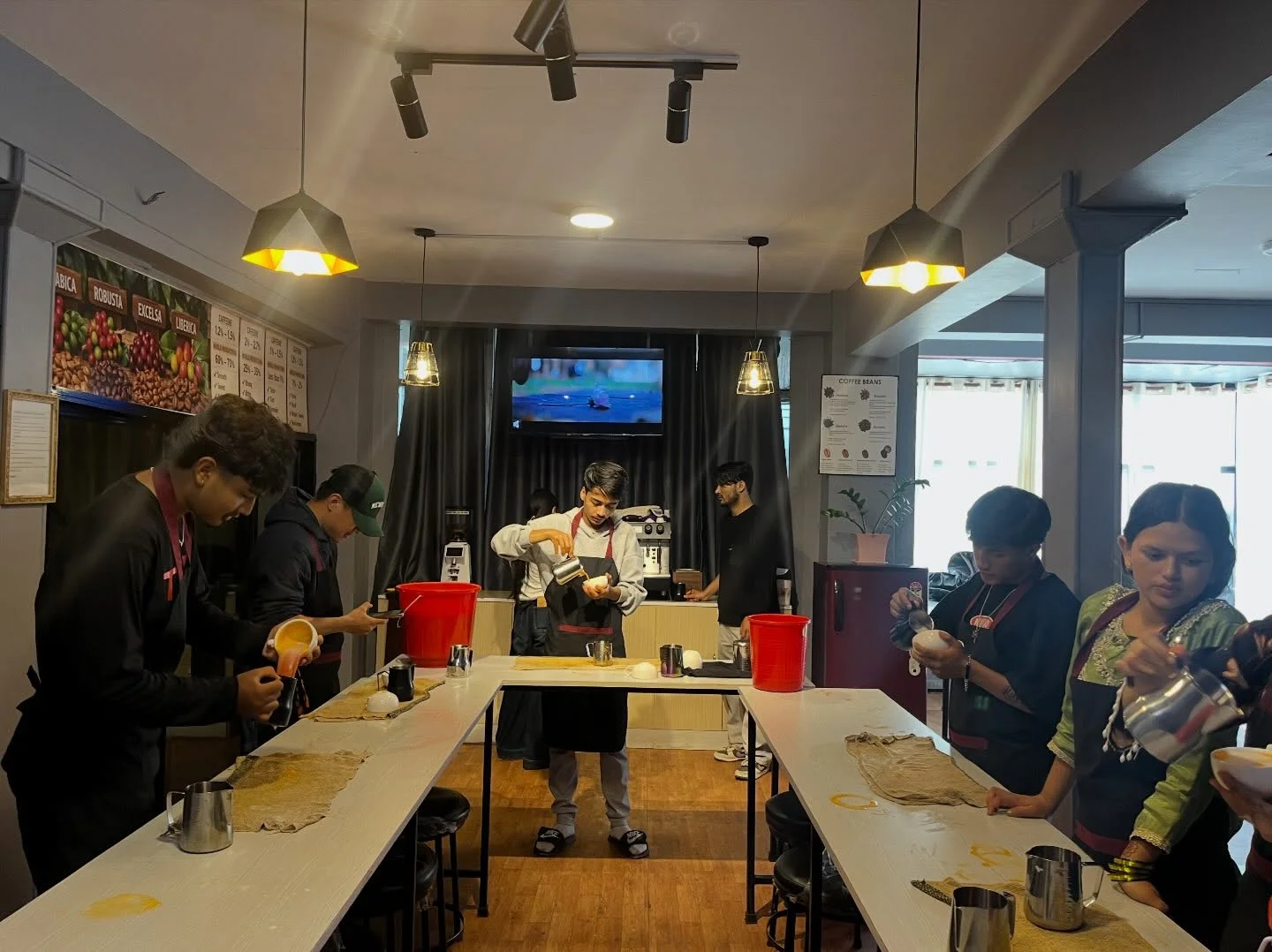
A structured barista course gives you step-by-step guidance while allowing you to practice on commercial café equipment.
Instead of guessing, you learn directly from experienced trainers who provide feedback and help you avoid common mistakes.
This often shortens the learning curve and builds confidence much more quickly.
Practical Experience Builds Confidence
Reading about espresso is useful.
Preparing hundreds of espresso shots is transformational.
Professional training allows you to practice:
- Espresso extraction
- Grinder adjustment
- Milk steaming
- Latte art
- Coffee brewing
- Equipment maintenance
- Café workflow
- Customer service
Hands-on experience prepares you for the pace and expectations of a real café.
Better Skills Can Lead to Better Opportunities
Many cafés prefer candidates who already understand commercial coffee equipment and basic café operations.
Completing a professional course demonstrates that you've invested time in developing practical skills and are ready to contribute from your first day on the job.
Training can also help if you plan to work abroad or pursue opportunities in hotels, restaurants, and hospitality businesses.
It's About More Than Coffee
A professional barista course also helps you develop transferable workplace skills such as:
- Communication
- Teamwork
- Time management
- Problem-solving
- Attention to detail
- Professional customer service
These skills remain valuable throughout your career, even beyond the coffee industry.
Is the Investment Worth It?
For many students, the value of a barista course isn't just measured by the certificate.
It's measured by:
- Practical experience
- Increased confidence
- Professional skills
- Career opportunities
- Industry knowledge
- Networking with trainers and fellow students
A quality training program can help you avoid costly mistakes, improve your employability, and prepare you for long-term growth in hospitality.
Who Should Join a Barista Course?
A professional barista course is ideal for:
- Complete beginners with no experience
- Coffee enthusiasts who want professional skills
- Students exploring hospitality careers
- Café employees who want to improve
- Hotel and restaurant staff
- Entrepreneurs planning to open a café
- Anyone interested in specialty coffee
You don't need previous experience—just a willingness to learn and practice.
Learn at Brewliners Barista School
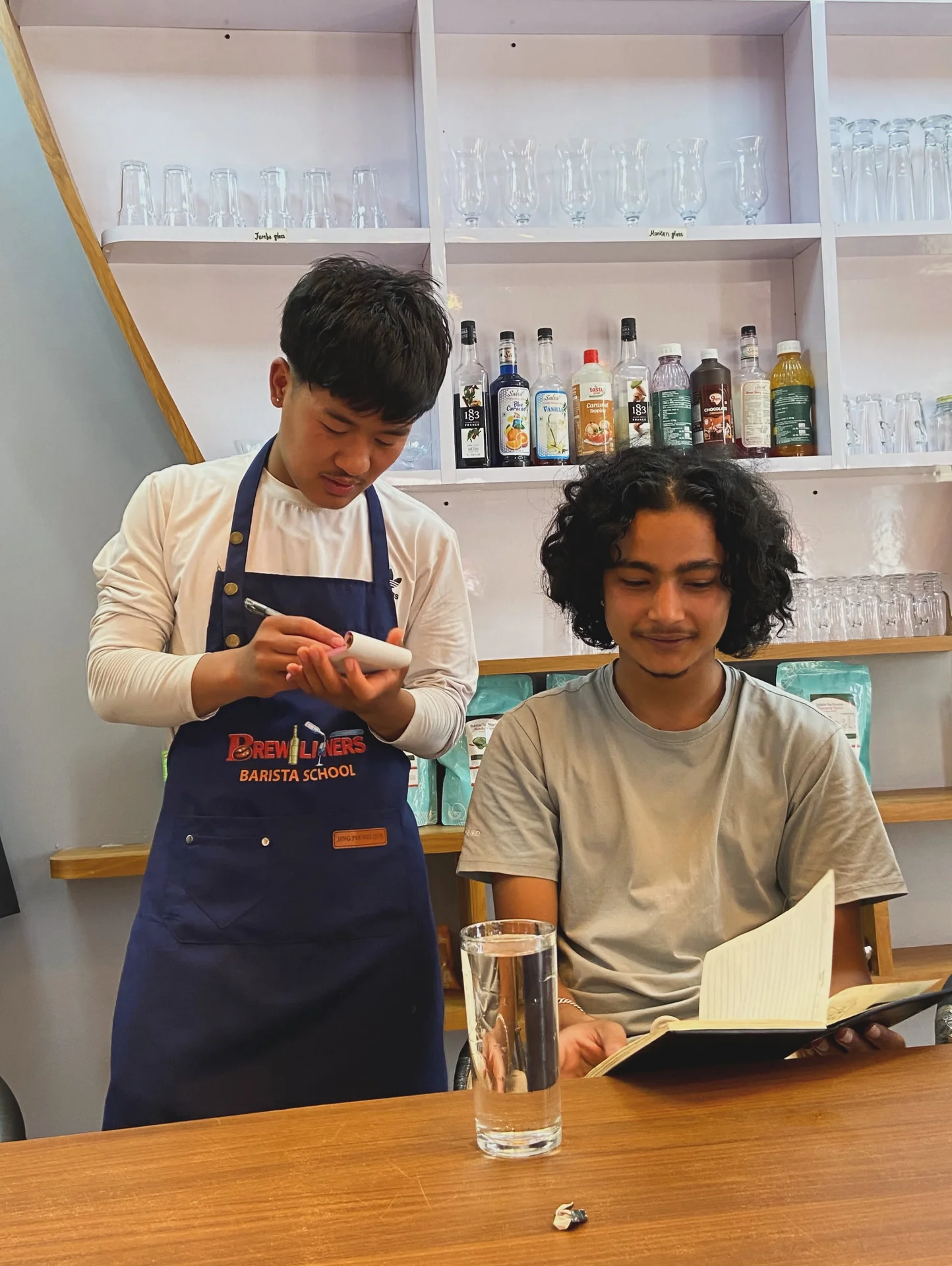
If you're searching for the best barista course in Kathmandu or professional coffee training in Nepal, Brewliners Barista School offers practical, industry-focused education designed to prepare students for real café environments.
With campuses in Balaju, Kathmandu, and Lagankhel, Lalitpur, students train on commercial espresso machines under the guidance of experienced instructors.
Our program includes:
- Coffee fundamentals
- Espresso extraction
- Grinder adjustment
- Milk steaming
- Latte art
- Coffee brewing techniques
- Equipment maintenance
- Café workflow
- Customer service
- Professional hospitality skills
Whether your goal is to get your first café job, enhance your hospitality career, or start your own coffee business, Brewliners provides the practical knowledge and confidence to help you succeed.
Final Thoughts
So, is a barista course worth it in Nepal?
For anyone who wants to build a career in the growing coffee and hospitality industry, the answer is often yes.
Professional training helps you learn faster, practice with commercial equipment, develop job-ready skills, and gain the confidence needed to work in real cafés.
While no course can guarantee a job, the right training gives you a stronger foundation and prepares you to make the most of the opportunities available.
Every successful barista starts somewhere—and investing in quality education can be the first step toward a rewarding coffee career.
Frequently Asked Questions
Is a barista course worth it for beginners?
Yes. A structured course helps beginners learn essential coffee skills, use commercial equipment, and build confidence through practical training.
Can a barista course help me get a job?
Many employers value candidates with hands-on training because they are often better prepared for café operations. A course improves your skills and employability, though hiring decisions ultimately depend on employers and available opportunities.
Do I need experience before joining a barista course?
No. Most professional barista courses are designed for complete beginners as well as those who want to improve their existing skills.
Where can I join a professional barista course in Nepal?
Brewliners Barista School offers hands-on barista training at Balaju, Kathmandu, and Lagankhel, Lalitpur, with practical instruction using commercial café equipment.