With Nepal's café culture growing rapidly, professional baristas are in higher demand than ever before. From specialty coffee shops and boutique cafés to luxury hotels and international hospitality brands, skilled baristas have exciting career opportunities both in Nepal and abroad.
Have you ever walked into a café, taken your first sip of a perfectly brewed cappuccino, and wondered how baristas create coffee that tastes so exceptional?
Behind every great cup of coffee is a skilled barista who understands coffee beans, espresso extraction, milk texturing, latte art, and—most importantly—how to create a memorable customer experience.
With Nepal's café culture growing rapidly, professional baristas are in higher demand than ever before. From specialty coffee shops and boutique cafés to luxury hotels and international hospitality brands, skilled baristas have exciting career opportunities both in Nepal and abroad.
If you're wondering how to become a professional barista in Nepal, this complete guide will show you everything you need to know—from learning the basics to building a successful coffee career.
Why Choose a Career as a Barista?
Being a barista is much more than making coffee.
It's a profession that combines creativity, craftsmanship, customer service, and hospitality.
Every day brings something different. You'll meet new people, master coffee brewing techniques, create beautiful latte art, and develop skills that are valued across the global hospitality industry.
A career as a barista can lead to opportunities in:
- Specialty coffee shops
- Cafés
- Hotels and resorts
- Restaurants
- Coffee roasteries
- Airlines and cruise ships
- International hospitality brands
- Your own café or coffee business
If you enjoy working with people and have a passion for coffee, becoming a barista can be a rewarding career choice.
Step 1: Learn the Basics of Coffee
Every professional barista begins by understanding coffee.
You'll learn about:
- Coffee bean varieties
- Arabica and Robusta coffee
- Coffee origins
- Coffee processing methods
- Roast profiles
- Coffee freshness
- Grind size
- Brewing fundamentals
Understanding where coffee comes from helps you appreciate every cup you prepare.
Step 2: Master Espresso Preparation
Espresso is the heart of most café beverages.
Professional baristas learn how to:
- Dial in espresso
- Measure coffee accurately
- Adjust grind size
- Control extraction time
- Maintain consistency
- Troubleshoot common espresso issues
A well-prepared espresso is the foundation of great coffee.
Step 3: Learn Milk Texturing and Latte Art
Steamed milk transforms espresso into drinks such as:
- Cappuccino
- Café Latte
- Flat White
- Mocha
- Macchiato
Professional baristas also learn latte art patterns like:
- Heart
- Rosetta
- Tulip
Latte art isn't just decorative—it demonstrates proper milk texture and pouring technique.
Step 4: Understand Brewing Methods
Today's cafés serve more than espresso-based beverages.
Professional baristas often prepare coffee using methods such as:
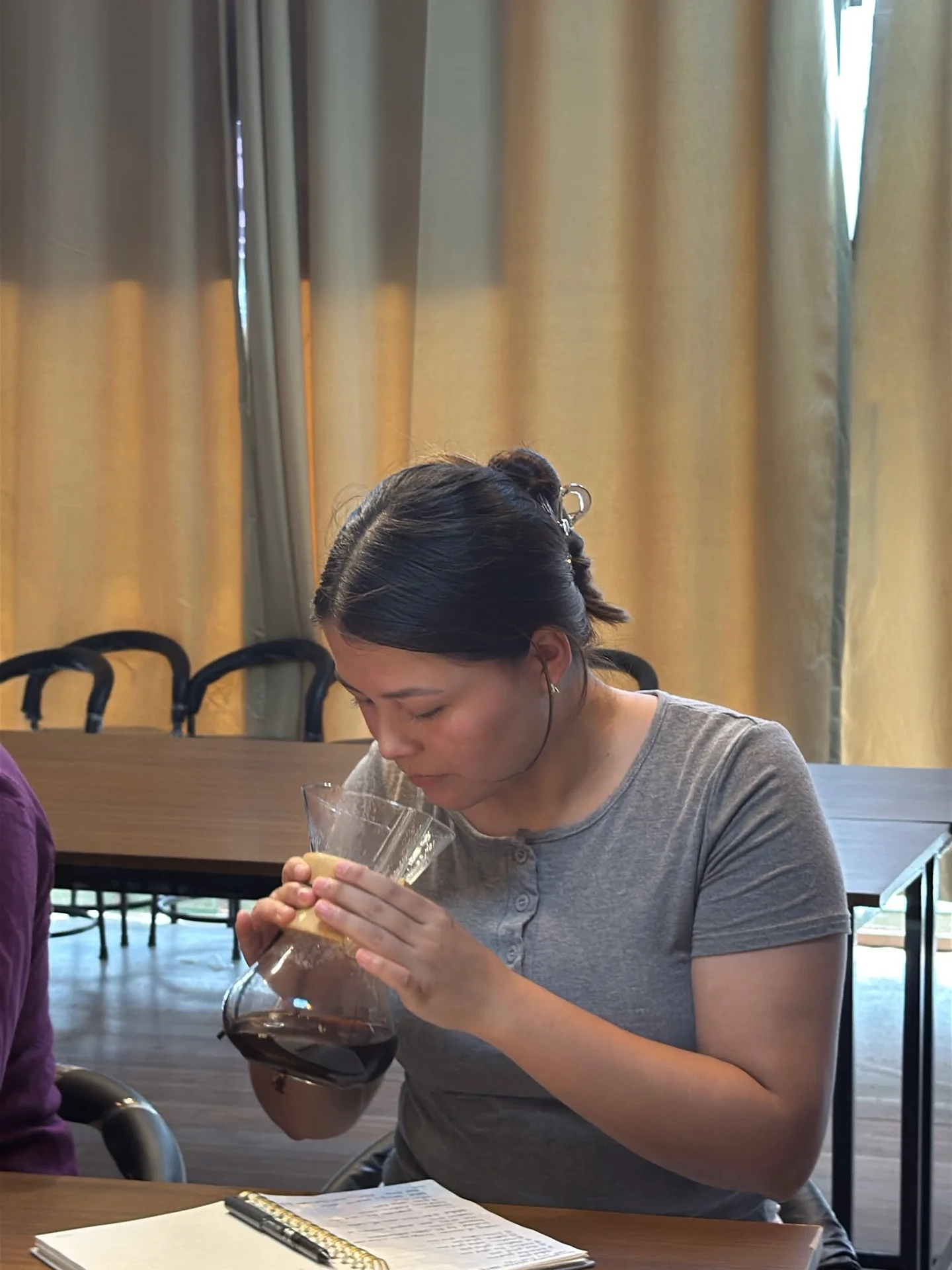
- Pour Over (V60)
- French Press
- AeroPress
- Cold Brew
- Drip Coffee
Learning different brewing techniques helps you serve a wider variety of customers.
Step 5: Develop Customer Service Skills
Great coffee alone doesn't create loyal customers.
Exceptional service does.
Professional baristas learn how to:
- Welcome customers
- Recommend beverages
- Take orders efficiently
- Handle customer requests
- Communicate confidently
- Create a welcoming café atmosphere
Hospitality is one of the most valuable skills a barista can develop.
Step 6: Practice Every Day
Coffee is a hands-on profession.
The more you practice:
- Espresso extraction
- Milk steaming
- Latte art
- Beverage preparation
- Workflow
- Speed
…the more confident you become.
Consistent practice transforms beginners into professionals.
Step 7: Enroll in a Professional Barista Course
While it's possible to learn coffee independently, structured training provides a faster and more comprehensive path.
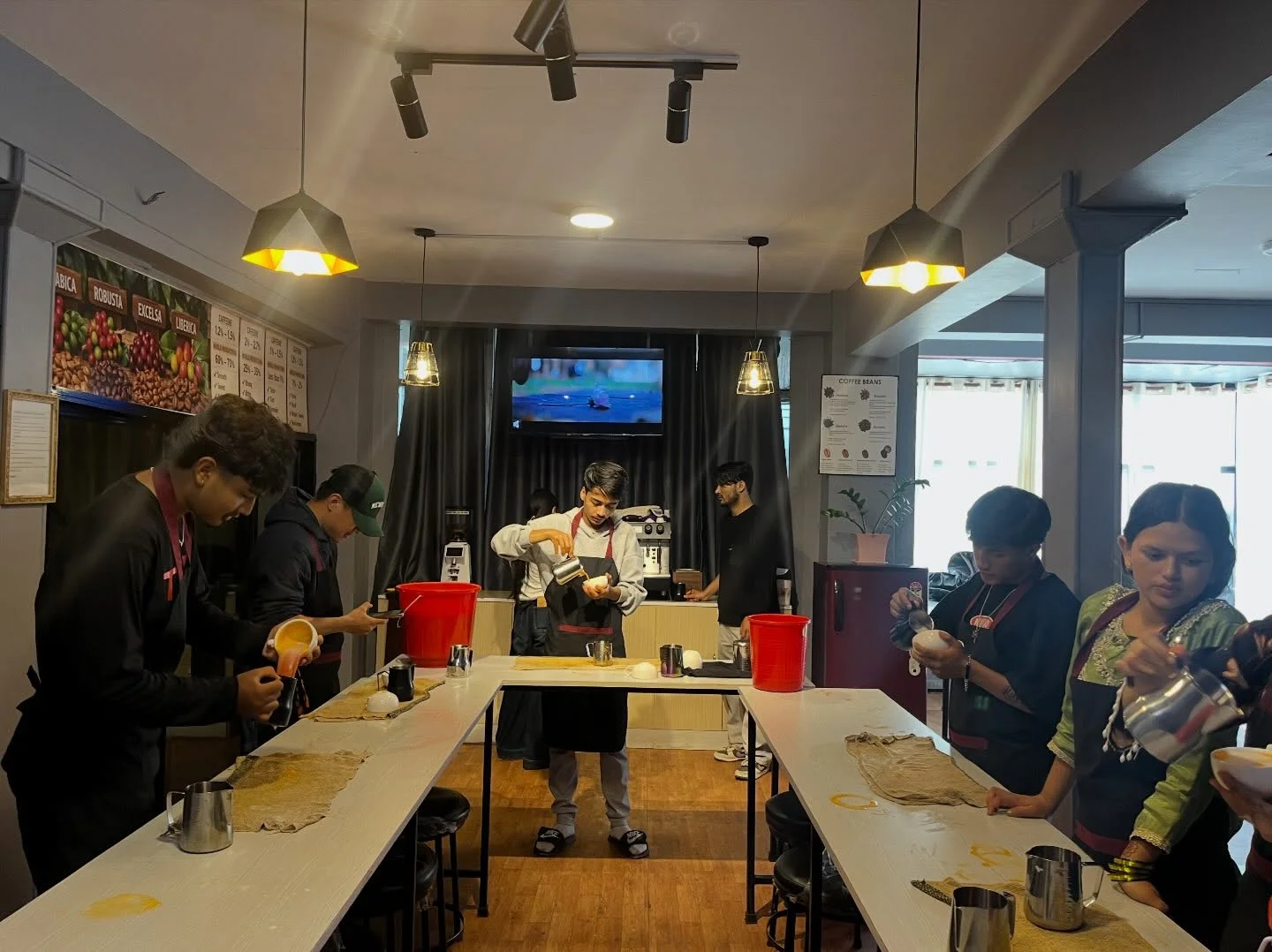
A professional barista course in Kathmandu helps students gain practical experience using commercial espresso machines, coffee grinders, and café equipment under the guidance of experienced trainers.
Students learn:
- Espresso preparation
- Milk steaming
- Latte art
- Coffee brewing
- Beverage recipes
- Café workflow
- Equipment maintenance
- Hygiene and food safety
- Customer service
Hands-on training builds confidence before entering the workplace.
Career Opportunities After Becoming a Barista
Professional baristas are needed across Nepal's expanding hospitality sector.
Graduates may pursue careers as:
- Café Barista
- Head Barista
- Coffee Trainer
- Coffee Roaster Assistant
- Café Supervisor
- Coffee Shop Manager
- Hospitality Professional
- Coffee Entrepreneur
With experience, many baristas also explore opportunities in international hotels, specialty cafés, cruise ships, and global coffee brands.
Skills Every Professional Barista Should Develop
Employers value baristas who demonstrate:
- Coffee knowledge
- Espresso expertise
- Latte art
- Customer service
- Communication
- Cleanliness
- Time management
- Teamwork
- Attention to detail
- Professional attitude
Technical ability and hospitality go hand in hand.
Why Practical Training Matters
Coffee is learned by doing.
Watching videos and reading books can teach theory, but practical experience teaches confidence.
Hands-on training allows students to:
- Operate commercial espresso machines
- Steam milk correctly
- Practice latte art
- Prepare café beverages
- Handle busy service periods
- Receive feedback from experienced trainers
These experiences prepare students for real café environments.
Learn at Brewliners Barista School
If you're looking for the best barista course in Kathmandu or a trusted barista training institute in Lalitpur, Brewliners Barista School offers practical, career-focused coffee education designed for beginners and aspiring professionals.
With training centers in Balaju, Kathmandu, and Lagankhel, Lalitpur, students gain hands-on experience using professional coffee equipment in a supportive learning environment.
Whether your goal is to work in a specialty café, a luxury hotel, or even open your own coffee shop, Brewliners helps you develop the knowledge, confidence, and practical skills needed to succeed.
Final Thoughts
Every great barista begins with curiosity.
What starts as a love for coffee can become a rewarding career filled with creativity, hospitality, and endless opportunities.
By learning the fundamentals, practicing consistently, and receiving professional training, you can build the skills needed to thrive in Nepal's growing coffee industry—and beyond.
If you've been searching for how to become a professional barista in Nepal, your journey starts with one decision: invest in your skills and learn from experienced professionals.
The perfect cup of coffee begins with the right training.
Frequently Asked Questions
Do I need experience to become a barista?
No. Most professional barista courses are designed for beginners and teach everything from espresso preparation to customer service.
How long does it take to become a barista?
The duration depends on the training program and your practice, but consistent hands-on learning helps you become job-ready more quickly.
Can I work abroad after completing a barista course?
Yes. Skilled baristas are in demand in cafés, hotels, restaurants, and hospitality businesses worldwide. Opportunities depend on your experience, qualifications, language skills, and visa requirements.
Where can I learn professional barista skills in Nepal?
Brewliners Barista School offers practical coffee training at Balaju, Kathmandu, and Lagankhel, Lalitpur, helping students build the skills needed for careers in Nepal and internationally.