From the sound of the grinder to the burst of steam and the golden crema flowing into the cup, an espresso machine is the centerpiece of every professional café. But behind its polished exterior is a fascinating system that combines water, pressure, temperature, and precision to create exceptional coffee.
Have you ever watched a barista prepare an espresso and wondered how that impressive machine transforms coffee beans into a rich, aromatic shot in just a few seconds?
From the sound of the grinder to the burst of steam and the golden crema flowing into the cup, an espresso machine is the centerpiece of every professional café. But behind its polished exterior is a fascinating system that combines water, pressure, temperature, and precision to create exceptional coffee.
If you're planning to become a barista or simply want to understand how your favorite café prepares coffee, this beginner's guide explains how espresso machines work in simple terms.
What Is an Espresso Machine?
An espresso machine is a specialized coffee machine that forces hot water through finely ground coffee under high pressure to produce a concentrated shot of espresso.
Unlike drip coffee makers, espresso machines rely on pressure to extract coffee quickly while preserving rich flavors, aromas, and the signature golden crema on top.
This brewing method is the foundation of drinks like cappuccinos, lattes, Flat Whites, Americanos, and mochas.
The Main Parts of an Espresso Machine
Professional espresso machines may look complex, but they all rely on a few essential components working together.
Water Reservoir or Water Supply
Every espresso starts with clean, fresh water. Depending on the machine, water is supplied from a built-in tank or connected directly to a water line.
Boiler
The boiler heats water to the ideal brewing temperature and also produces steam for frothing milk.
Many commercial machines have separate boilers for brewing espresso and steaming milk at the same time.
Pump
The pump creates the pressure needed to push hot water through the coffee grounds.
Consistent pressure is one of the key factors behind a balanced espresso.
Group Head
The group head is where the portafilter locks into the machine.
It distributes hot water evenly through the coffee for consistent extraction.
Portafilter
The portafilter holds the finely ground coffee.
Before brewing, the coffee is evenly distributed and compressed with a tamper to create a uniform coffee bed.
Steam Wand
The steam wand releases pressurized steam to heat and texture milk, creating the silky microfoam needed for cappuccinos, lattes, and latte art.
How an Espresso Machine Makes Coffee
Making espresso may look effortless, but several precise steps happen in just a few seconds.
Step 1: Grinding the Coffee
Fresh coffee beans are ground to a fine consistency suitable for espresso.
Step 2: Tamping the Coffee
The ground coffee is evenly compressed inside the portafilter to ensure consistent water flow.
Step 3: Locking the Portafilter
The portafilter is securely attached to the group head.
Step 4: Brewing Under Pressure
The machine pumps hot water through the coffee grounds under pressure.
During extraction, water dissolves oils, sugars, and aromatic compounds from the coffee, producing a rich espresso shot.
Step 5: Serving the Espresso
Within seconds, the espresso flows into the cup, topped with its signature golden crema.
The result is a concentrated coffee full of aroma, body, and flavor.
Why Pressure Matters
Pressure is what makes espresso unique.
Instead of allowing water to slowly pass through coffee, the machine forces water through the grounds quickly, extracting concentrated flavors and creating crema.
Without consistent pressure, espresso would lack balance, texture, and complexity.
Why Temperature Is Important
Water that's too cool may under-extract the coffee, resulting in sour flavors.
Water that's too hot can over-extract the coffee, leading to bitterness.
Professional espresso machines maintain stable brewing temperatures to produce consistent, high-quality espresso throughout the day.
The Importance of Regular Cleaning
Even the best espresso machine can't produce great coffee if it's poorly maintained.
Professional baristas clean their machines every day by:
- Flushing the group head
- Cleaning the steam wand
- Washing the portafilter
- Removing coffee residue
- Backflushing the machine (where applicable)
Proper maintenance improves coffee quality and extends the life of the equipment.
Manual, Semi-Automatic, and Automatic Espresso Machines
Not all espresso machines operate the same way.
Manual Machines
The barista controls nearly every step of the brewing process, offering maximum control but requiring greater skill.
Semi-Automatic Machines
These machines automate water pressure while allowing the barista to control grinding, dosing, tamping, and shot timing.
They are widely used in specialty cafés and barista training.
Automatic Machines
Automatic machines simplify the brewing process by controlling shot timing, making them easier for beginners and high-volume environments.
Why Every Barista Should Understand Espresso Machines
Knowing how an espresso machine works helps baristas:
- Improve espresso extraction
- Adjust grind size effectively
- Troubleshoot brewing issues
- Steam milk correctly
- Maintain equipment
- Work confidently during busy café service
Understanding the machine builds confidence behind the coffee bar.
Learn on Commercial Espresso Machines at Brewliners Barista School
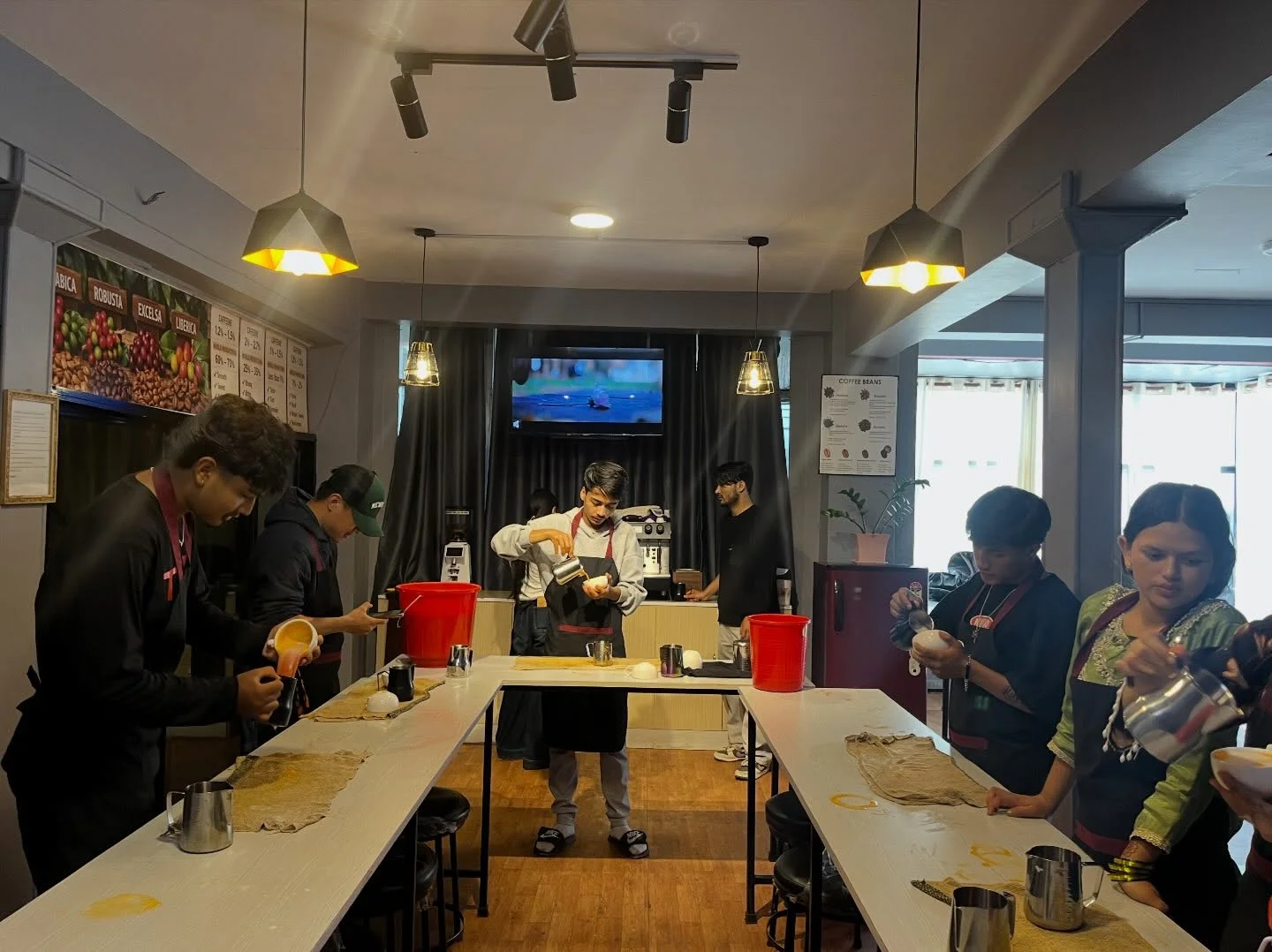
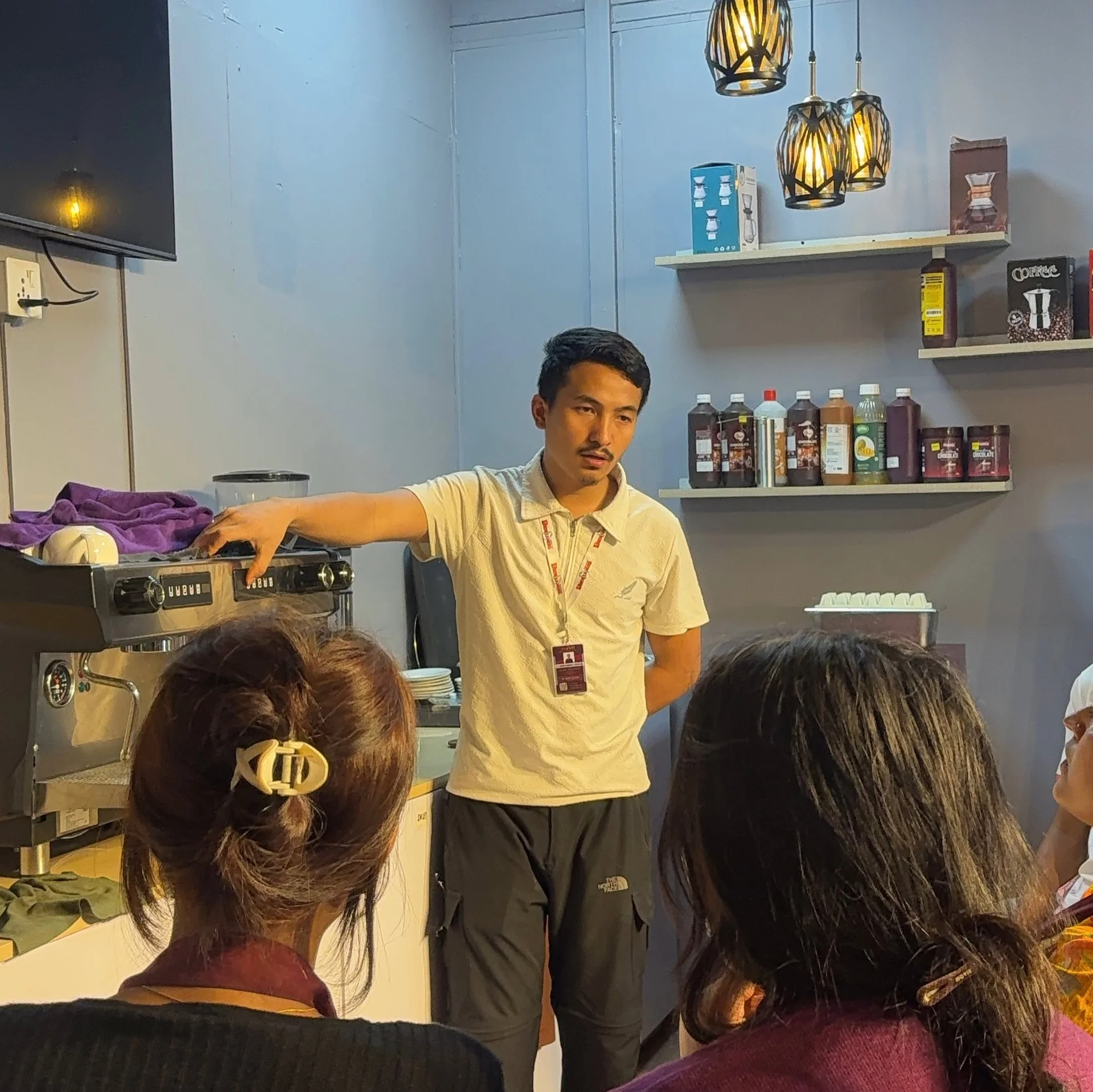
If you're searching for the best barista course in Kathmandu or professional coffee training in Nepal, Brewliners Barista School offers practical, hands-on learning using commercial espresso machines found in modern cafés.
With training centers in Balaju, Kathmandu, and Lagankhel, Lalitpur, students gain real-world experience in:
- Espresso extraction
- Grinder adjustment
- Milk steaming
- Latte art
- Machine maintenance
- Coffee brewing techniques
- Café workflow
- Customer service
Our experienced trainers ensure every student understands not just how to use an espresso machine—but why it works.
Final Thoughts
An espresso machine is more than a piece of café equipment—it's the engine behind every great coffee experience.
When you understand how pressure, temperature, grind size, and technique work together, you begin to see coffee as both a science and an art.
Whether you're preparing your first espresso or building a professional coffee career, learning how an espresso machine works is one of the most valuable steps you can take.
Every unforgettable cup starts with understanding the machine behind it.
Frequently Asked Questions
How does an espresso machine make coffee?
An espresso machine forces hot water through finely ground coffee under pressure, producing a concentrated shot of espresso with a rich flavor and crema.
Why is pressure important in espresso?
Pressure extracts coffee quickly and evenly, creating the bold flavor, body, and crema that define espresso.
Can beginners learn to use a commercial espresso machine?
Yes. With proper guidance and hands-on practice, beginners can learn how to operate commercial espresso machines safely and confidently.
Where can I learn to use espresso machines in Nepal?
Brewliners Barista School offers practical barista training at Balaju, Kathmandu, and Lagankhel, Lalitpur, where students train on commercial espresso machines and develop professional café skills.