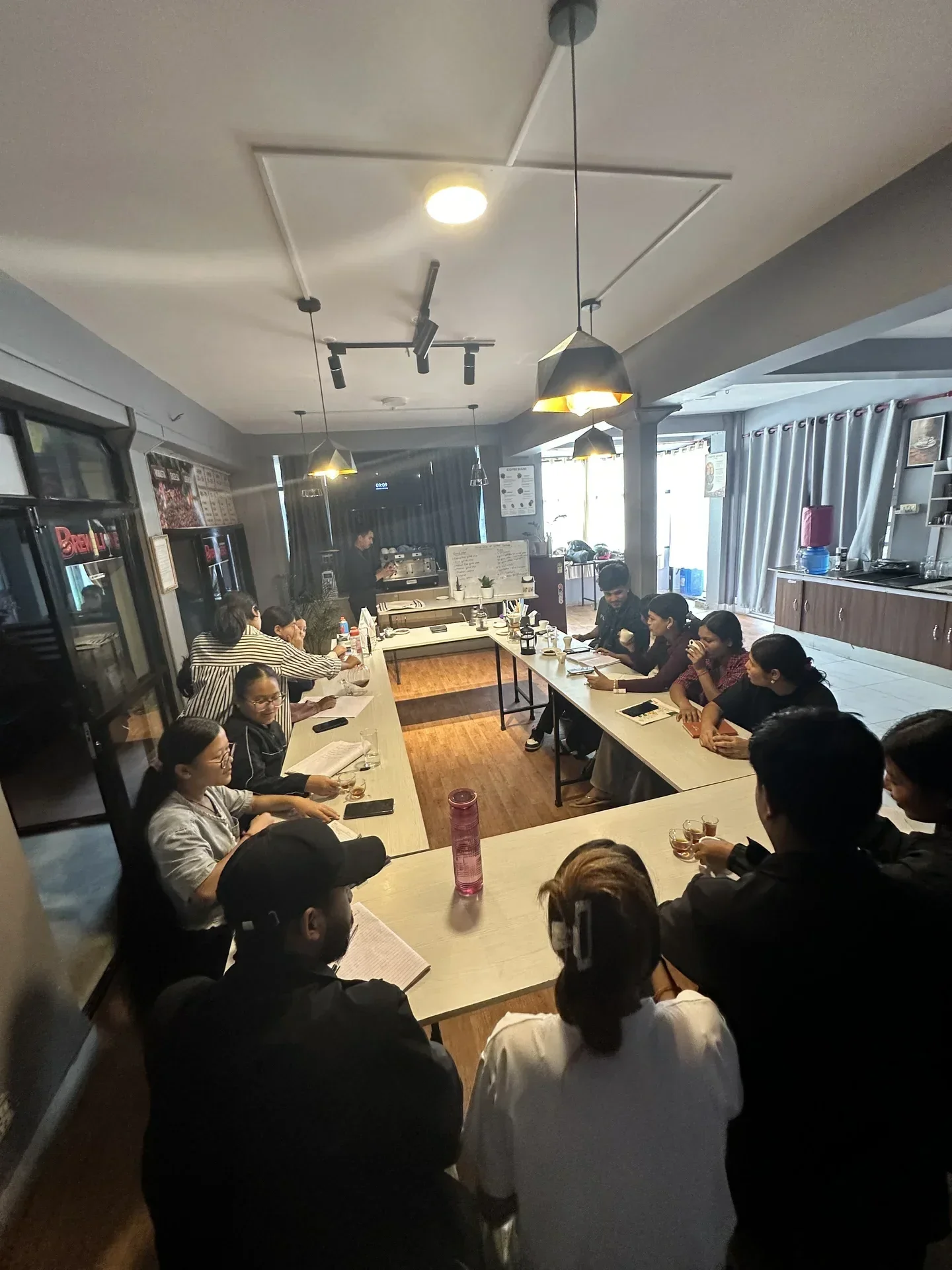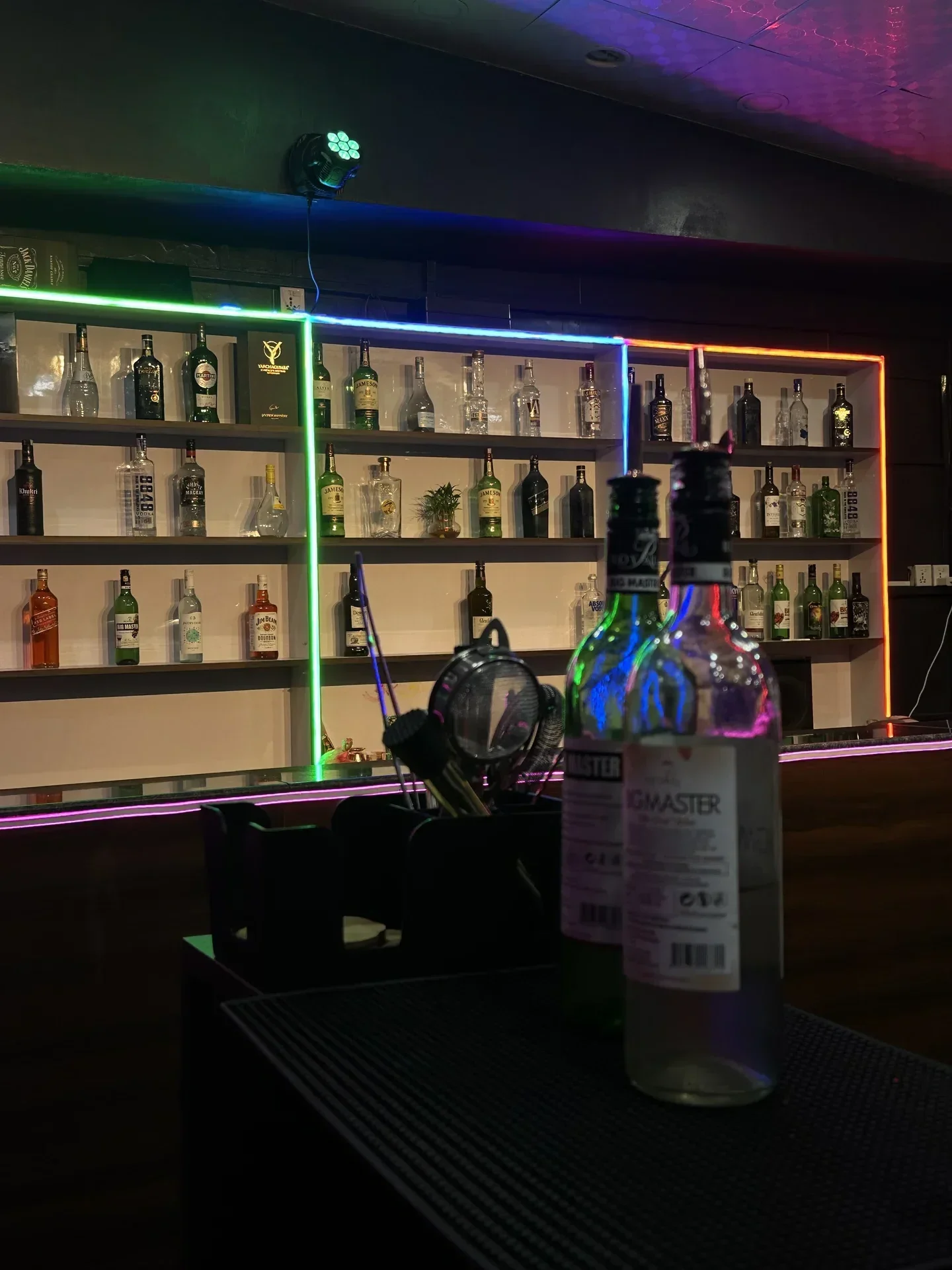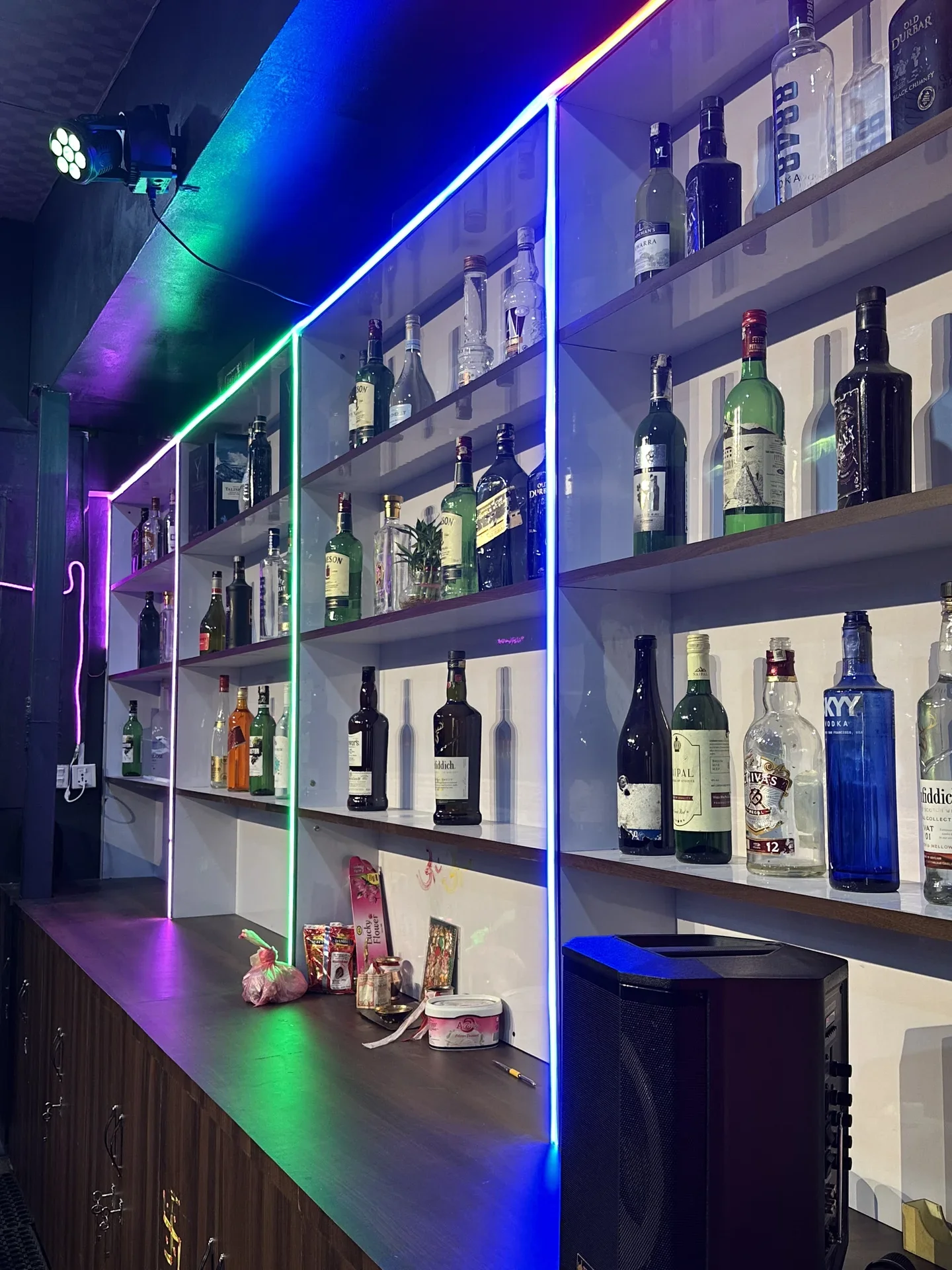

Imagine graduating from your bartending course with confidence, practical experience, and industry-ready skills.
Now imagine receiving your first job offer at a stylish café in Kathmandu. A few years later, you're working in a five-star hotel, managing a premium bar, or even serving guests on a luxury cruise ship abroad.
This isn't just a dream—it’s the career journey many professional bartenders experience.
The hospitality industry is one of the fastest-growing sectors in Nepal and around the world. Skilled bartenders are no longer seen as simply "drink makers." Today, they are hospitality professionals, mixologists, customer experience specialists, and future leaders in the food and beverage industry.
If you're wondering what career opportunities are available after completing a bartending course, this guide will show you just how many doors can open with the right training.
Why Bartending Is More Than Just a Job
Bartending combines creativity, communication, hospitality, and technical skills.
Every day is different.
You'll meet new people, create memorable experiences, work in exciting environments, and continuously learn new techniques.
For many people, bartending becomes the foundation of a long and successful hospitality career.
1. Professional Bartender
The most common career path is becoming a professional bartender.
You'll prepare cocktails and mocktails, interact with guests, maintain bar operations, and provide excellent customer service.
Professional bartenders work in:
- Restaurants
- Hotels
- Cocktail bars
- Lounges
- Resorts
- Clubs
- Event venues
This role helps you build valuable experience while developing confidence behind the bar.
2. Mixologist
If you're passionate about creativity, becoming a mixologist could be your dream career.
Mixologists design signature drinks, experiment with flavors, create seasonal menus, and elevate beverage experiences.
Many luxury hotels and premium restaurants seek skilled mixologists who can create unique beverage programs that attract customers.
3. Hotel Bartender
Luxury hotels value bartenders who understand professionalism, presentation, and exceptional guest service.
Working in a hotel often provides opportunities to serve international guests, learn premium beverage service, and grow within a structured hospitality environment.
4. Resort and Tourism Hospitality
Nepal's tourism industry continues to expand, creating opportunities in:
- Mountain resorts
- Boutique hotels
- Luxury resorts
- Tourist destinations
- Adventure lodges
These workplaces offer excellent experience while allowing you to meet travelers from around the world.
5. Café and Restaurant Beverage Specialist
Modern cafés increasingly serve specialty coffees, mocktails, signature beverages, and creative drinks.
Bartending skills are valuable even in establishments that don't serve alcohol.
Professionals with beverage knowledge often help develop seasonal menus and improve customer experiences.
6. Cruise Ship Bartender
Cruise ships employ thousands of hospitality professionals every year.
Experienced bartenders may have opportunities to work internationally while gaining exposure to guests from different cultures.
Cruise ship positions often include accommodation and meals, depending on the employer.
7. Bar Supervisor
After gaining experience, bartenders can progress into leadership roles.
Bar supervisors typically oversee:
- Daily operations
- Staff coordination
- Inventory management
- Customer satisfaction
- Service quality
Leadership positions also help prepare professionals for management careers.
8. Bar Manager
Bar managers are responsible for the overall success of a bar.
Their duties often include:
- Staff management
- Beverage menu planning
- Cost control
- Training new employees
- Maintaining service standards
- Business performance
This role combines hospitality expertise with business management.
9. Hospitality Trainer
Experienced bartenders who enjoy teaching can move into education.
Hospitality trainers help prepare the next generation of bartenders by sharing practical skills, beverage knowledge, and industry experience.
10. International Hospitality Careers
Professional bartending skills are recognized worldwide.
Many trained bartenders pursue careers in:
- Hotels
- Resorts
- Fine dining restaurants
- Luxury cruise ships
- International hospitality brands
- Tourism destinations
With experience, strong communication skills, and professional training, international opportunities become increasingly accessible.
Skills Employers Look For
Completing a bartending course is only the beginning.
Employers also value professionals who demonstrate:
- Excellent customer service
- Strong communication
- Teamwork
- Professional appearance
- Time management
- Beverage knowledge
- Practical bar skills
- Positive attitude
- Reliability
- Willingness to learn
These qualities often determine long-term career growth.
Why Professional Bartending Training Matters
A structured bartending course helps students develop practical experience before entering the workplace.
Hands-on training prepares students to:
- Prepare cocktails and mocktails
- Use professional bar equipment
- Manage busy service periods
- Deliver exceptional customer experiences
- Follow hygiene and safety standards
- Build confidence behind the bar
The combination of knowledge and practical skills makes graduates more competitive in the hospitality job market.
Build Your Career with Brewliners Bartending School
If you're searching for the best bartending course in Kathmandu or professional bartending training in Nepal, Brewliners Bartending School provides industry-focused education designed to prepare students for real careers.
With campuses in Balaju, Kathmandu, and Lagankhel, Lalitpur, students receive hands-on practical training using professional bar equipment under the guidance of experienced instructors.
Whether your dream is to work in a luxury hotel, an international restaurant, a cruise ship, or manage your own bar one day, Brewliners helps you develop the confidence and skills needed to succeed.
Final Thoughts
A bartending course is much more than learning how to make drinks.
It's the beginning of a career filled with creativity, hospitality, travel, and continuous growth.
From cafés and restaurants to luxury hotels and international hospitality brands, skilled bartenders have opportunities to build rewarding careers in Nepal and beyond.
Your future doesn't start when you get your first job.
It starts the moment you decide to invest in your skills.
At Brewliners Bartending School, we're committed to helping you turn that decision into a successful career.
Frequently Asked Questions
What jobs can I get after completing a bartending course?
Graduates can work as bartenders, mixologists, hotel bartenders, café beverage specialists, bar supervisors, bar managers, hospitality trainers, and in many other hospitality roles.
Can I work abroad after completing bartending training?
Professional training provides a strong foundation for hospitality careers. International opportunities depend on your experience, qualifications, language skills, and visa requirements.
Is bartending a long-term career?
Yes. Many professionals progress into supervisory, management, training, and beverage consultancy roles over time.
Where can I learn professional bartending in Nepal?
Brewliners Bartending School offers hands-on bartending training in Balaju, Kathmandu, and Lagankhel, Lalitpur, preparing students for careers in Nepal and internationally.