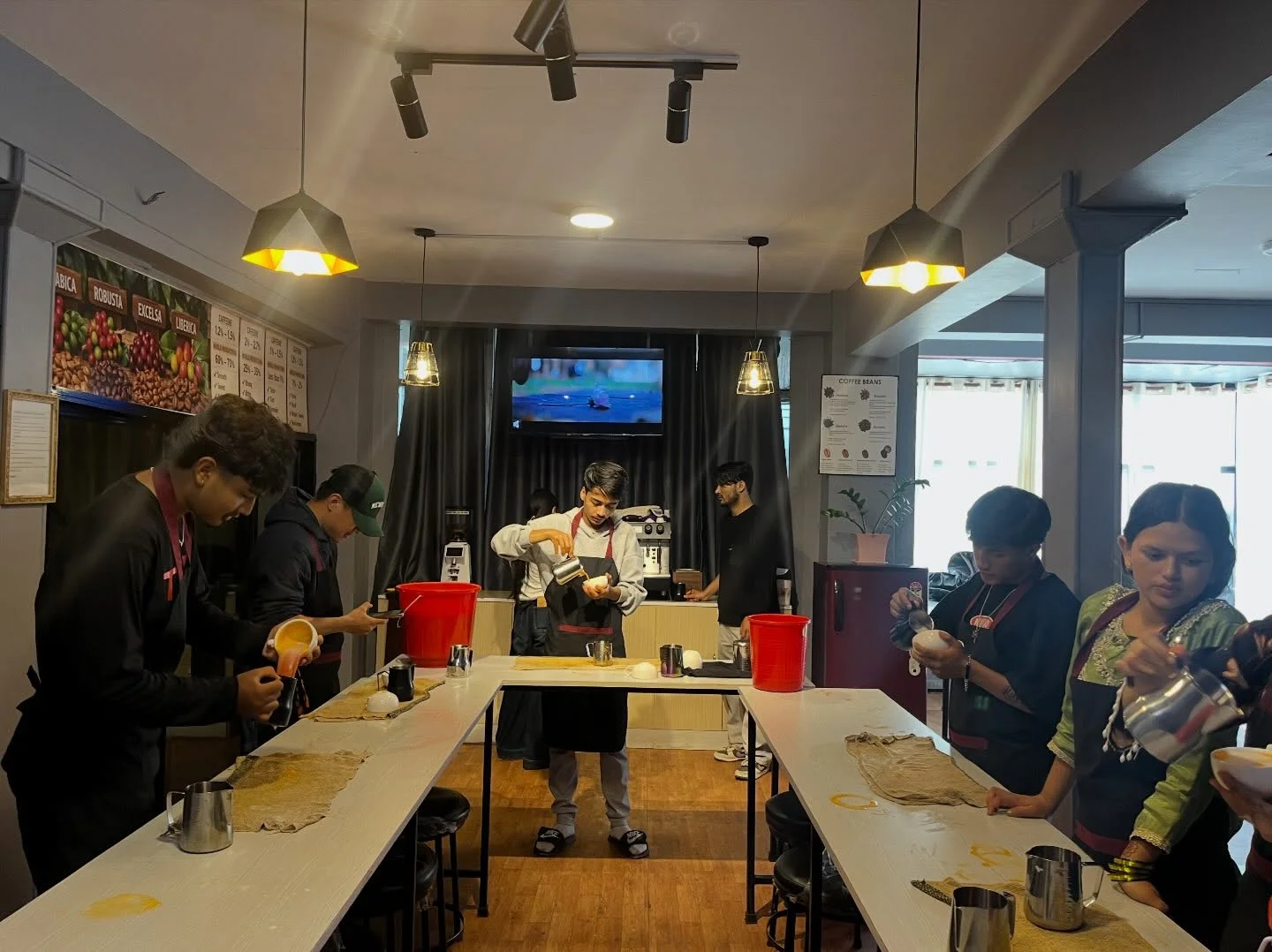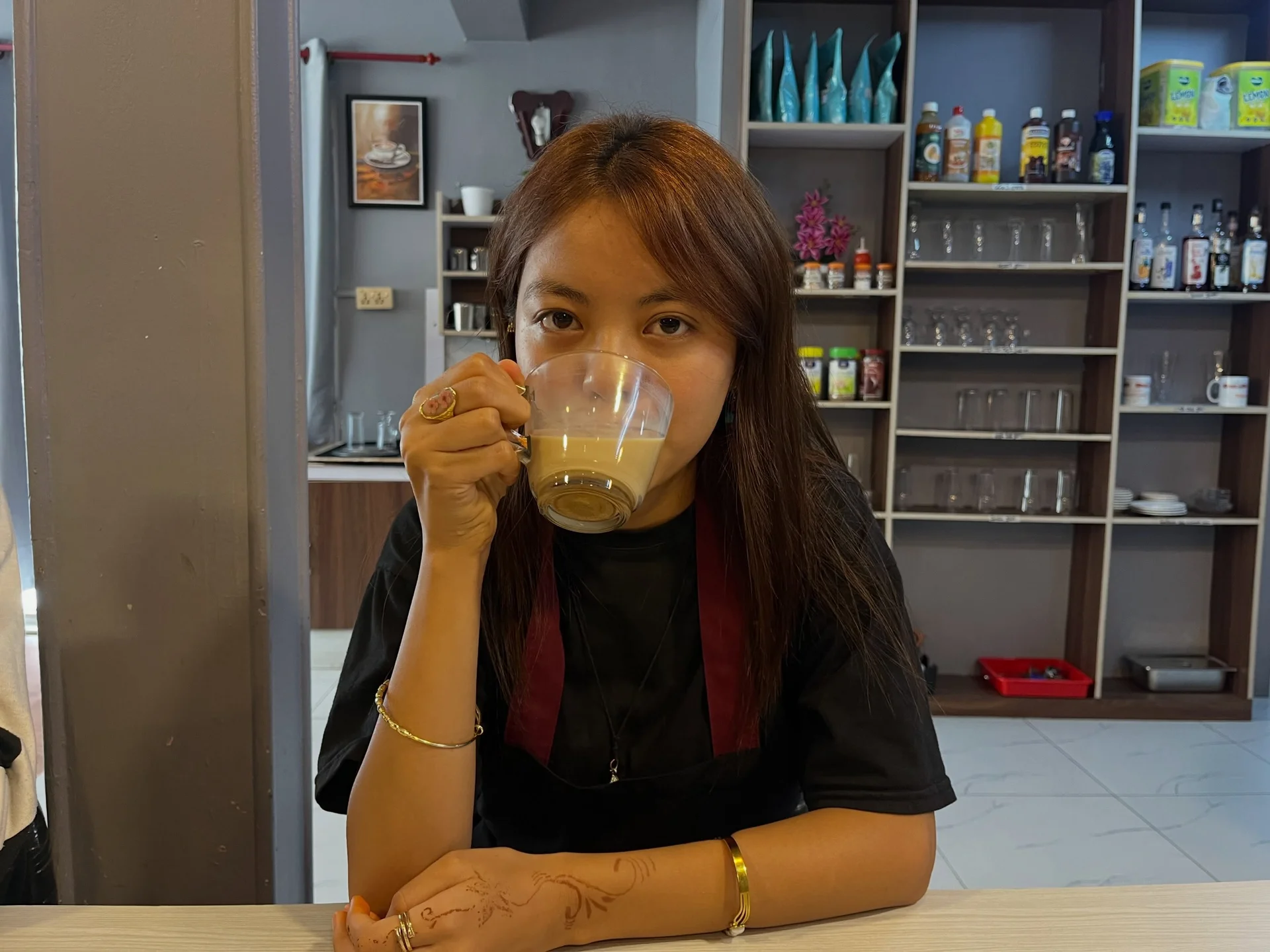
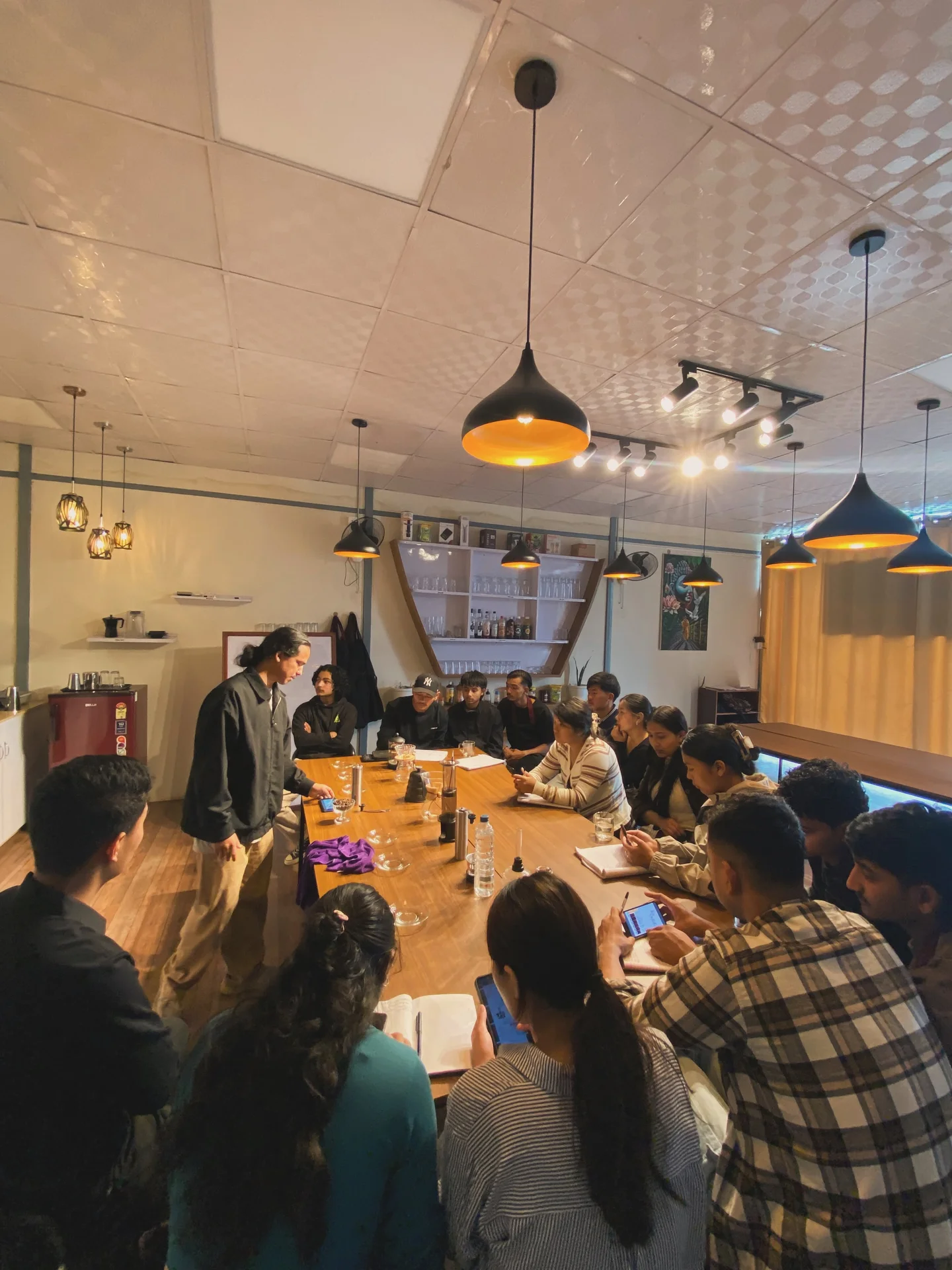
If you're searching for the best barista course in Kathmandu or professional coffee training in Nepal, Brewliners Barista School provides practical, hands-on experience with commercial coffee grinders and espresso machines.
Have you ever used the same coffee beans but ended up with two completely different cups of coffee?
The secret often isn't the beans—it's the grind size.
Professional baristas know that one small adjustment to the coffee grinder can completely change the flavor, aroma, and quality of an espresso or brewed coffee. That's why experienced baristas pay just as much attention to the grinder as they do to the espresso machine.
If you're beginning your coffee journey or planning to join a barista course in Kathmandu, understanding grind size is one of the most valuable skills you'll learn.
Let's discover why coffee grinders play such an important role in making exceptional coffee.
What Is a Coffee Grinder?
A coffee grinder is a machine that breaks whole coffee beans into smaller particles before brewing.
Freshly grinding coffee just before preparation helps preserve the natural aromas and flavors locked inside the beans.
Professional cafés always grind coffee fresh because it produces a richer, more balanced cup than pre-ground coffee.
What Is Grind Size?
Grind size refers to how coarse or fine the coffee particles are after grinding.
The size of these particles affects how quickly water extracts flavor from the coffee.
Finding the correct grind size is essential for achieving balanced extraction and great-tasting coffee.
Why Does Grind Size Matter?
Water extracts flavors from coffee as it passes through the grounds.
If the grind is too coarse, water flows through too quickly and doesn't extract enough flavor.
If the grind is too fine, water flows too slowly and extracts too much, resulting in bitterness.
The goal is to find the right balance so the coffee tastes smooth, sweet, and well-rounded.
This process is known as coffee extraction, and grind size is one of the biggest factors that influence it.
Different Brewing Methods Need Different Grind Sizes
Every brewing method requires a different grind.
Espresso
Espresso requires a fine grind because water passes through the coffee quickly under pressure.
Pour Over
Pour-over coffee usually uses a medium grind to allow even extraction.
French Press
French press coffee works best with a coarse grind, preventing over-extraction and reducing sediment.
Cold Brew
Cold brew typically uses a very coarse grind because the coffee steeps in cold water for many hours.
Understanding these differences helps baristas prepare each coffee exactly as intended.
Signs Your Grind Size Is Incorrect
If the Grind Is Too Fine
- Bitter taste
- Slow extraction
- Harsh finish
- Overly strong flavor
If the Grind Is Too Coarse
- Sour taste
- Weak body
- Fast extraction
- Lack of sweetness
Recognizing these signs helps baristas make quick adjustments and improve every cup.
Why Professional Baristas Constantly Adjust Their Grinder
Coffee changes throughout the day.
Factors such as humidity, temperature, bean freshness, and roast level can affect how coffee extracts.
That's why professional baristas regularly make small grinder adjustments to maintain consistency.
A perfectly dialed-in grinder is one of the hallmarks of a skilled barista.
Burr Grinder vs Blade Grinder
Not all grinders produce the same results.
Burr Grinder
Burr grinders create evenly sized coffee particles, resulting in better consistency and improved flavor.
They are the preferred choice for cafés and specialty coffee professionals.
Blade Grinder
Blade grinders chop coffee beans into uneven pieces, which can lead to inconsistent extraction.
While suitable for basic home use, they generally don't provide the precision needed for professional espresso preparation.
Freshly Ground Coffee Makes a Difference
Grinding coffee immediately before brewing helps preserve:
- Aroma
- Sweetness
- Flavor clarity
- Body
- Overall freshness
This is why cafés rarely use coffee that has been ground long before serving.
Fresh coffee simply tastes better.
Learn Grinder Adjustment at Brewliners Barista School
If you're searching for the best barista course in Kathmandu or professional coffee training in Nepal, Brewliners Barista School provides practical, hands-on experience with commercial coffee grinders and espresso machines.
With campuses in Balaju, Kathmandu, and Lagankhel, Lalitpur, students learn how to:
- Dial in espresso
- Adjust grind size
- Understand coffee extraction
- Steam milk
- Create latte art
- Prepare espresso-based beverages
- Maintain coffee equipment
- Work efficiently in a real café environment
Learning grinder adjustment is one of the first practical skills students develop because it influences every espresso they prepare.
Final Thoughts
A coffee grinder may seem like a simple machine, but it plays one of the most important roles in coffee preparation.
Even the highest-quality beans can't produce an excellent cup if the grind size is wrong.
By understanding how grind size affects extraction, you'll prepare better coffee, solve brewing problems more quickly, and develop the confidence needed to work like a professional barista.
Behind every great espresso is a perfectly adjusted grinder.
Frequently Asked Questions
Why is grind size important?
Grind size controls how quickly water extracts flavors from coffee. The correct grind helps produce a balanced, flavorful cup.
Which grind size is best for espresso?
Espresso typically requires a fine grind because water passes through the coffee quickly under pressure.
What's the difference between a burr grinder and a blade grinder?
Burr grinders produce more uniform coffee particles, leading to better consistency and flavor. Blade grinders create uneven grounds and are less precise.
Where can I learn professional coffee grinding in Nepal?
Brewliners Barista School offers hands-on barista training at Balaju, Kathmandu, and Lagankhel, Lalitpur, where students learn grinder adjustment, espresso extraction, milk steaming, and complete café operations.