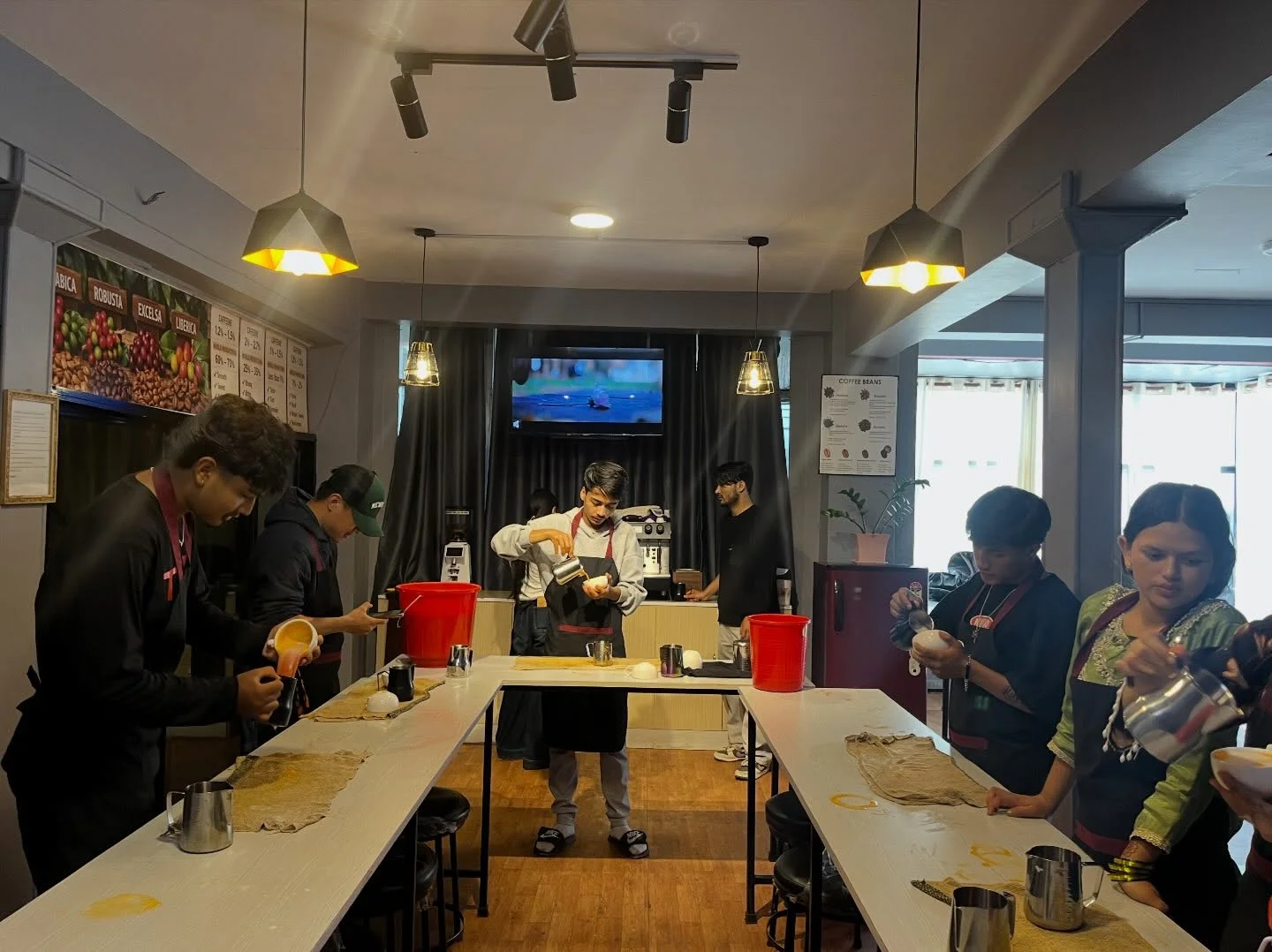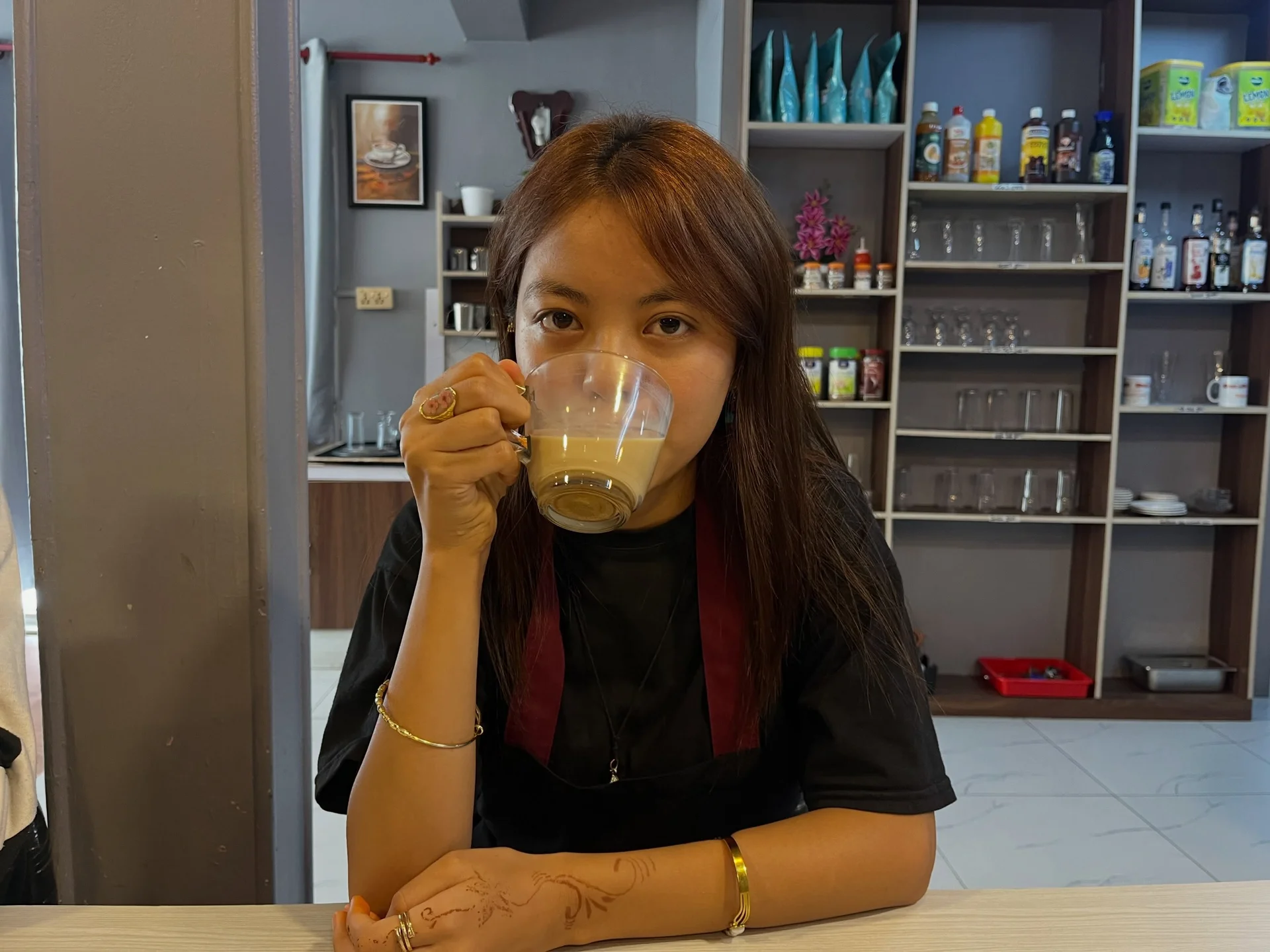
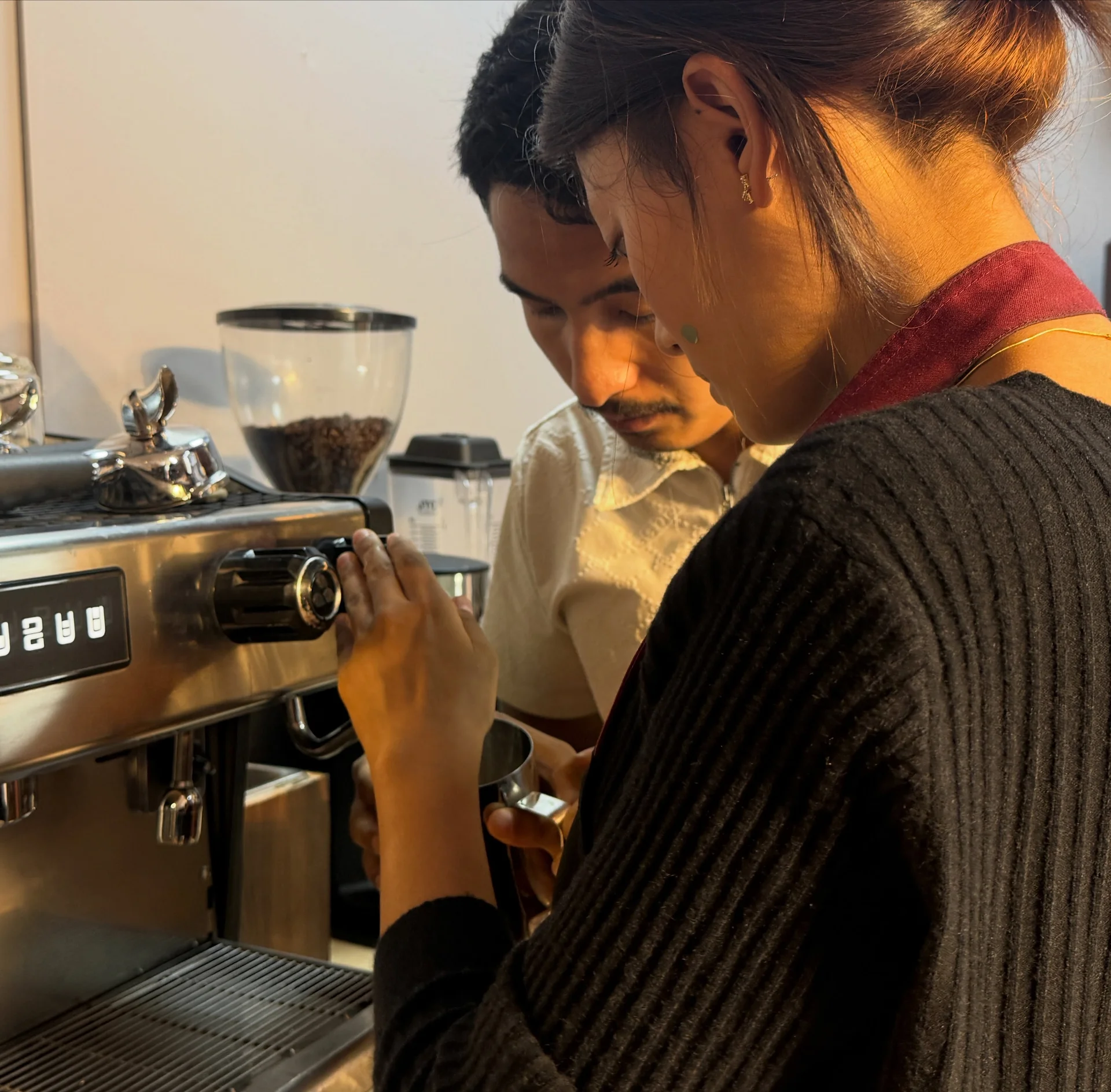
With training centers in Balaju, Kathmandu, and Lagankhel, Lalitpur, students gain hands-on experience using commercial coffee equipment while learning the principles behind specialty coffee preparation.
Coffee is one of the world's most loved beverages, but did you know that the same coffee beans can taste completely different depending on how they're brewed?
A bright and fruity pour-over, a bold French Press, a rich espresso, or a smooth cold brew all begin with the same ingredient—coffee beans. The difference lies in the brewing method.
Understanding the most popular coffee brewing methods is one of the first steps toward becoming a skilled barista. Whether you're making coffee at home or planning to join a barista course in Kathmandu, learning these techniques will help you appreciate the science and artistry behind every cup.
Let's explore the most popular brewing methods used by professional baristas around the world.
Why Brewing Methods Matter
Brewing is more than simply mixing coffee with water.
Different brewing methods affect:
- Flavor
- Aroma
- Body
- Acidity
- Sweetness
- Strength
- Mouthfeel
Every brewing technique highlights different characteristics of the coffee, allowing you to enjoy unique taste experiences from the same beans.
1. Espresso
Espresso is the foundation of modern café culture.
An espresso machine forces hot water through finely ground coffee under pressure, producing a concentrated shot with a rich flavor and golden crema.
Espresso is the base for drinks such as:
- Cappuccino
- Café Latte
- Flat White
- Mocha
- Americano
- Macchiato
Professional baristas spend significant time mastering espresso extraction because consistency is essential.
2. Pour Over (V60)
Pour-over brewing is popular in specialty coffee shops because it offers excellent control over the brewing process.
Hot water is poured slowly over coffee grounds, allowing the coffee to extract evenly.
Pour-over coffee is often known for:
- Clean flavor
- Bright acidity
- Floral notes
- Fruit-forward taste
It's an excellent method for showcasing high-quality single-origin coffees.
3. French Press
The French Press is one of the simplest brewing methods.
Coffee grounds steep directly in hot water before being separated by a metal filter.
This method creates a coffee with:
- Full body
- Rich texture
- Bold flavor
It's a favorite for those who enjoy a heavier mouthfeel.
4. AeroPress
The AeroPress combines immersion and gentle pressure to produce a smooth, balanced cup.
It's portable, easy to use, and popular among travelers and coffee enthusiasts.
Depending on the recipe, it can produce coffee that's bright, sweet, or espresso-like.
5. Cold Brew
Cold brew is made by steeping coarse coffee grounds in cold water for several hours.
Because it uses cold water instead of hot water, the resulting coffee is often:
- Smooth
- Less acidic
- Naturally sweet
- Refreshing
It's especially popular during warmer months.
6. Chemex
The Chemex uses thick paper filters that produce an exceptionally clean and delicate cup of coffee.
Many coffee professionals use this method to highlight subtle flavor notes and aroma.
It's appreciated for its elegant presentation and refined taste.
Choosing the Right Brewing Method
There's no single "best" brewing method.
The right choice depends on your preferences.
If you enjoy:
- Strong coffee → Espresso
- Clean and delicate flavors → Pour Over or Chemex
- Rich, full-bodied coffee → French Press
- Smooth and refreshing coffee → Cold Brew
- Versatility and portability → AeroPress
Exploring different brewing styles helps you discover what you enjoy most.
Why Brewing Knowledge Matters for Baristas
Professional baristas are expected to understand more than espresso.
They should know how different brewing methods affect:
- Grind size
- Water temperature
- Brew time
- Coffee-to-water ratio
- Extraction
- Flavor
This knowledge helps them recommend drinks confidently and prepare coffee with consistency.
Learn Professional Brewing Techniques at Brewliners Barista School
If you're searching for the best barista course in Kathmandu or professional coffee training in Nepal, Brewliners Barista School provides practical experience with a range of coffee brewing methods.
With training centers in Balaju, Kathmandu, and Lagankhel, Lalitpur, students gain hands-on experience using commercial coffee equipment while learning the principles behind specialty coffee preparation.
Our barista training includes:
- Coffee fundamentals
- Espresso extraction
- Pour-over brewing
- French Press techniques
- Coffee grinder adjustment
- Milk steaming
- Latte art
- Equipment maintenance
- Café workflow
- Professional customer service
Students graduate with practical brewing skills that prepare them for modern cafés and the growing specialty coffee industry.
Final Thoughts
Every brewing method tells a different story.
Some highlight sweetness, others emphasize body, while some reveal delicate floral or fruity notes hidden inside the beans.
Learning these brewing techniques not only makes you a better coffee drinker—it also helps you become a more knowledgeable and confident barista.
Whether you're brewing coffee at home or preparing for a career in hospitality, understanding coffee brewing methods is an essential part of your coffee journey.
Frequently Asked Questions
Which coffee brewing method is best for beginners?
The French Press and AeroPress are excellent options for beginners because they are simple to use and produce consistently good coffee.
What's the difference between espresso and pour-over coffee?
Espresso is brewed under pressure and produces a concentrated, bold coffee, while pour-over uses gravity to create a cleaner, lighter, and more delicate cup.
Does grind size change with different brewing methods?
Yes. Espresso typically requires a fine grind, while French Press and cold brew use much coarser coffee grounds.
Where can I learn professional coffee brewing in Nepal?
Brewliners Barista School offers hands-on barista training at Balaju, Kathmandu, and Lagankhel, Lalitpur, where students learn espresso preparation, specialty brewing methods, grinder adjustment, and professional café skills.