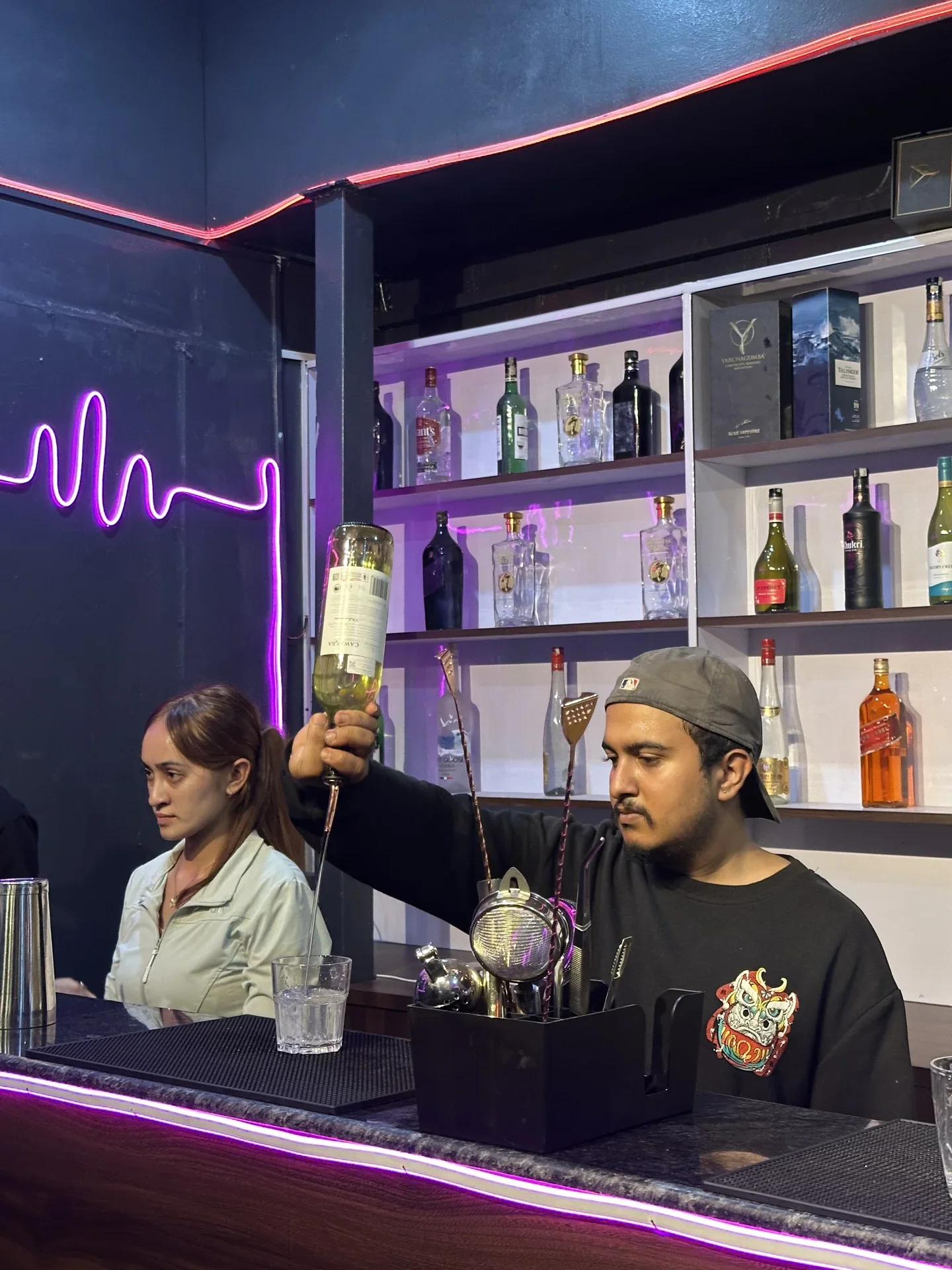
Walk into any modern café, restaurant, or bar, and you'll likely see two sections on the menu—Cocktails and Mocktails.
At first glance, they often look similar. Both are colorful, beautifully garnished, and served in elegant glassware. Yet one key difference sets them apart.
If you're new to the world of beverages or considering a bartending course in Kathmandu, understanding the difference between cocktails and mocktails is one of the first lessons every aspiring bartender should learn.
Let's explore what makes each unique and why mastering both is an essential skill for every professional bartender.
What Is a Cocktail?
A cocktail is a mixed drink that contains alcohol. It is typically made by combining one or more spirits with ingredients such as fruit juices, syrups, bitters, soft drinks, herbs, spices, or fresh fruits to create a balanced and flavorful beverage.
Classic cocktails have been enjoyed around the world for generations and continue to evolve with modern mixology techniques.
Some well-known cocktails include:
- Mojito
- Margarita
- Old Fashioned
- Cosmopolitan
- Whiskey Sour
- Martini
- Negroni
A skilled bartender carefully balances sweetness, acidity, bitterness, and aroma to create a memorable drinking experience.
What Is a Mocktail?
A mocktail is a non-alcoholic mixed drink that delivers the same creativity, presentation, and refreshing taste as a cocktail—without alcohol.
Mocktails are popular among:
- Non-drinkers
- Designated drivers
- Health-conscious individuals
- Teenagers and families
- Pregnant guests
- Anyone who wants a refreshing beverage without alcohol
Professional bartenders use fresh fruits, juices, herbs, syrups, soda, sparkling water, and creative garnishes to prepare mocktails that are just as visually appealing as cocktails.
Popular mocktails include:
- Virgin Mojito
- Shirley Temple
- Fruit Punch
- Virgin Pina Colada
- Mango Cooler
- Blue Lagoon Mocktail
Today, mocktails have become a staple on beverage menus in cafés, restaurants, hotels, and events.
Cocktail vs Mocktail: The Main Differences
Although cocktails and mocktails often look alike, there are several important differences.
| FeatureCocktailMocktail | ||
| Alcohol | Yes | No |
| Main Ingredients | Spirits with mixers | Juices, syrups, fruits, herbs, soda |
| Suitable For | Adults who choose alcoholic beverages | Everyone, including non-drinkers and families |
| Preparation | Mixology techniques using alcoholic spirits | Creative beverage preparation without alcohol |
| Popular Places | Bars, hotels, restaurants, lounges | Cafés, restaurants, hotels, parties, family events |
Both require creativity, precision, and excellent presentation.
Why Every Bartender Should Learn Both
Some beginners think bartending is only about alcoholic drinks.
In reality, professional bartenders spend just as much time preparing mocktails, specialty beverages, and customized drinks.
Knowing how to make both cocktails and mocktails allows you to:
- Serve a wider range of customers
- Increase customer satisfaction
- Improve menu recommendations
- Work confidently in cafés, restaurants, hotels, and bars
- Expand your career opportunities
Modern hospitality values bartenders who can create outstanding beverages for every guest, regardless of their drink preferences.
The Art of Mixology
Whether you're preparing a cocktail or a mocktail, the principles of mixology remain the same.
Professional bartenders focus on:
- Flavor balance
- Fresh ingredients
- Proper measurements
- Attractive presentation
- Correct glassware
- Creative garnishing
- Consistency
These skills transform an ordinary drink into a memorable experience.
Essential Ingredients Every Beginner Should Know
Before creating delicious beverages, it's important to understand the ingredients commonly used behind the bar.
These include:
- Fresh citrus fruits
- Mint and basil
- Fruit juices
- Soda water
- Tonic water
- Simple syrup
- Grenadine
- Coffee
- Tea
- Ice
- Fresh garnishes
For cocktails, bartenders also learn about different categories of spirits, liqueurs, and bitters, along with responsible service practices.
Why Practical Training Matters
Watching videos can teach you recipes, but becoming a professional bartender requires hands-on practice.
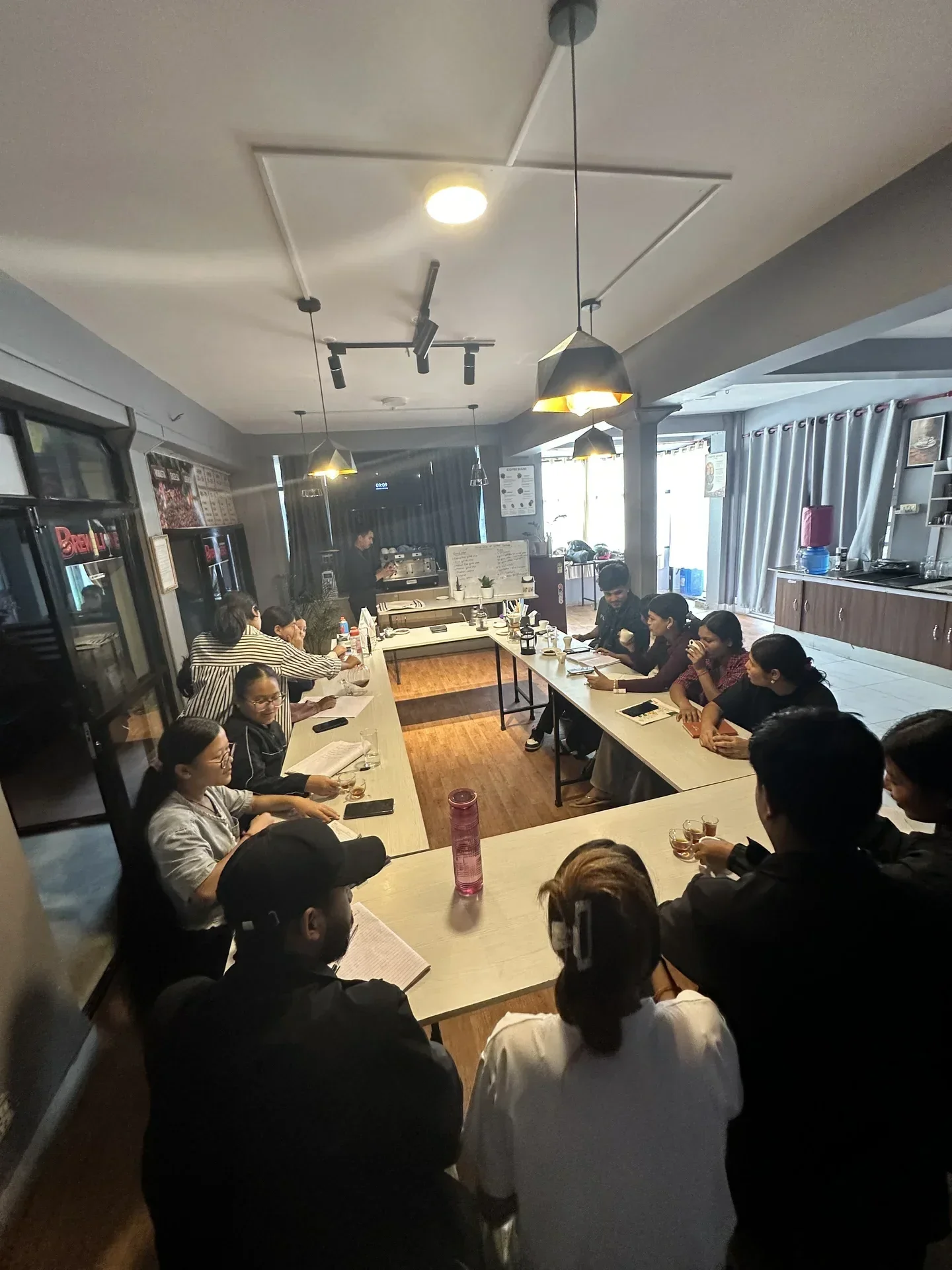
During a bartending training program in Nepal, students learn how to:
- Prepare classic cocktails
- Create refreshing mocktails
- Use professional bar equipment
- Measure ingredients accurately
- Develop speed and efficiency
- Present drinks beautifully
- Deliver excellent customer service
Practical experience builds confidence that cannot be gained from theory alone.
Learn Cocktail and Mocktail Preparation at Brewliners Bartending School
If you're looking for a bartending course in Kathmandu, Brewliners Bartending School provides practical, industry-focused training for beginners and aspiring hospitality professionals.
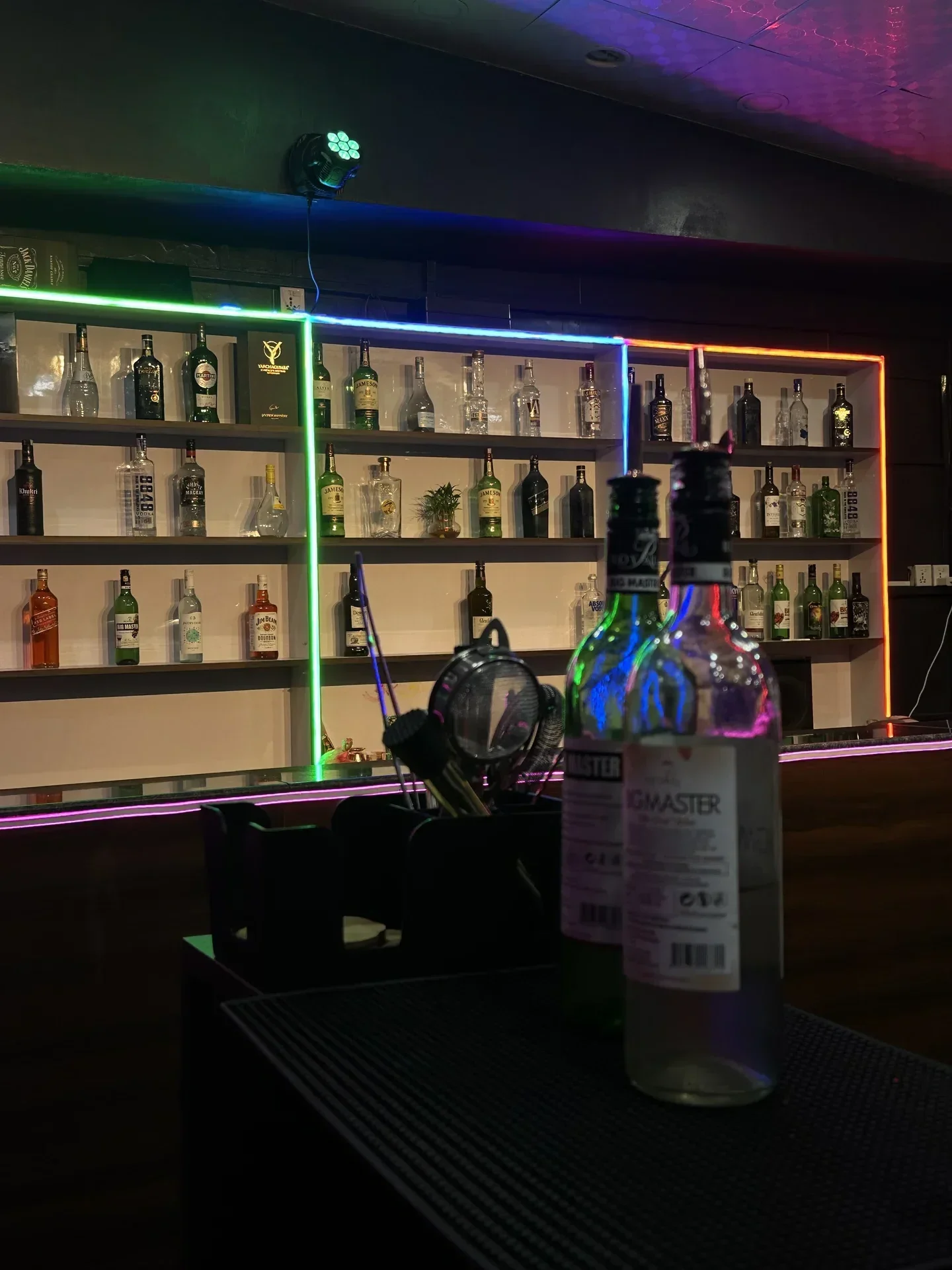
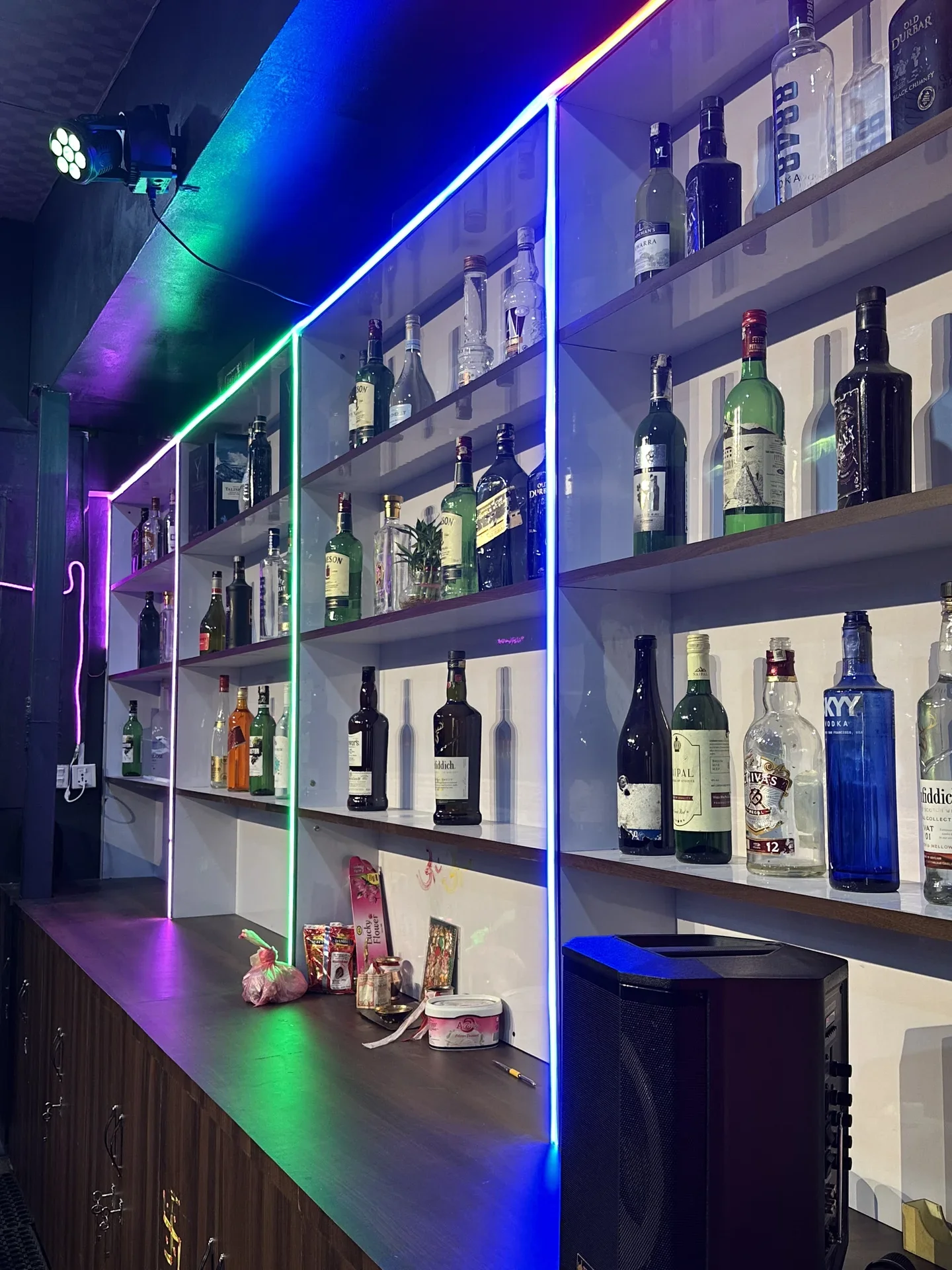
Located in Balaju-16, Kathmandu, Brewliners offers hands-on instruction in cocktail preparation, mocktail creation, beverage knowledge, bar operations, and customer service.
Our experienced trainers help students develop the confidence and practical skills needed to succeed in cafés, restaurants, hotels, resorts, and bars across Nepal and beyond.
Final Thoughts
Cocktails and mocktails may differ in one important ingredient—alcohol—but both require creativity, precision, and a passion for hospitality.
For today's bartenders, mastering both is essential. Guests have different preferences, and being able to prepare high-quality alcoholic and non-alcoholic beverages makes you a more versatile and valuable professional.
Whether your dream is to work in a luxury hotel, a busy café, a stylish cocktail bar, or even internationally, learning the fundamentals of cocktails and mocktails is an excellent place to start.
At Brewliners Bartending School, we believe every great bartender begins with strong foundations—and every great drink begins with knowledge, skill, and practice.
Frequently Asked Questions
What is the biggest difference between a cocktail and a mocktail?
The main difference is that cocktails contain alcohol, while mocktails are completely alcohol-free.
Can beginners learn to make cocktails and mocktails?
Yes. Professional bartending courses are designed to teach beginners everything from basic beverage preparation to advanced mixology techniques.
Are mocktails popular in Nepal?
Yes. Mocktails are widely served in cafés, restaurants, hotels, and events, making them an important skill for aspiring bartenders.
Why should bartenders learn both cocktails and mocktails?
Learning both allows bartenders to serve a wider range of guests, improve customer satisfaction, and expand career opportunities in the hospitality industry.