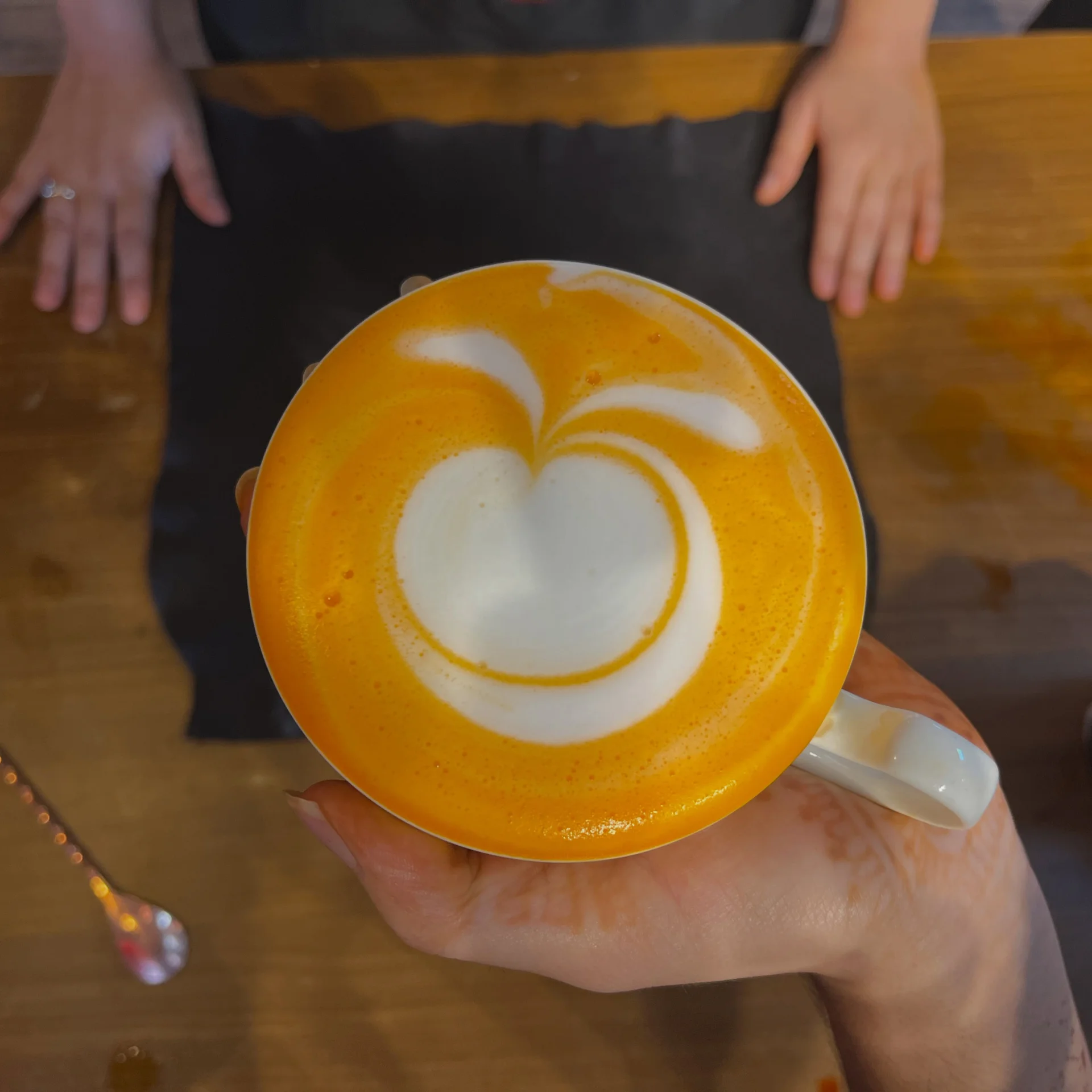
Latte art is the process of pouring perfectly textured steamed milk into a freshly prepared espresso to create decorative patterns on the surface of the coffee.
There's something magical about receiving a cup of coffee with a perfectly poured heart, tulip, or rosetta.
Before you even take your first sip, the design makes the drink feel more special. That's the power of latte art—it transforms an ordinary coffee into an unforgettable experience.
Many beginners believe latte art is only for experienced baristas, but the truth is that every professional started exactly where you are now. With the right technique, patience, and practice, anyone can learn to pour beautiful designs.
If you're dreaming of becoming a professional barista or simply want to improve your coffee-making skills, this beginner's guide will help you understand what latte art is, why it matters, and how to start your journey.
What Is Latte Art?
Latte art is the process of pouring perfectly textured steamed milk into a freshly prepared espresso to create decorative patterns on the surface of the coffee.
The most common beginner designs include:
- Heart
- Tulip
- Rosetta
Professional baristas eventually create more advanced patterns, but every masterpiece begins with mastering these simple designs.
Why Latte Art Matters
Latte art isn't just about making coffee look beautiful.
It shows that a barista has mastered several important skills, including:
- Espresso extraction
- Milk steaming
- Microfoam preparation
- Pouring control
- Cup positioning
- Consistency
A well-executed design reflects precision, confidence, and attention to detail—qualities every café values.
The Essential Ingredients for Great Latte Art
Creating latte art requires more than artistic ability.
You need the right combination of:
Fresh Espresso
A balanced espresso provides the rich crema needed for milk to blend beautifully.
Silky Microfoam
Smooth, glossy microfoam is the foundation of every successful design.
Large bubbles make latte art much more difficult.
Proper Milk Pitcher
A well-designed stainless steel milk pitcher gives you better control while pouring.
Consistent Technique
Every pour should be smooth, steady, and controlled.
Great latte art comes from repeatable technique rather than luck.
The First Latte Art Designs Every Beginner Should Learn
Heart
The heart is usually the first design beginners master.
It teaches pouring speed, milk placement, and finishing technique.
Tulip
Once you're comfortable with hearts, the tulip introduces rhythm and layering.
Rosetta
The rosetta develops hand control, movement, and pouring precision.
These three patterns form the foundation for nearly every advanced latte art design.
Common Latte Art Mistakes
Every beginner struggles at first.
Some of the most common mistakes include:
- Milk with large bubbles
- Overheated milk
- Poor espresso extraction
- Pouring too quickly
- Holding the pitcher too high
- Hesitating during the pour
- Inconsistent milk texture
These mistakes are part of the learning process and improve with regular practice.
Tips to Improve Faster
Professional baristas improve through repetition and observation.
To build your skills:
- Practice steaming milk consistently
- Focus on creating silky microfoam
- Use fresh espresso
- Keep your pouring movements smooth
- Watch experienced baristas
- Practice regularly
- Be patient with your progress
Every cup teaches something new.
Latte Art Is More Than Decoration
Beautiful coffee isn't just visually appealing—it enhances the customer experience.
Many café guests photograph their drinks before taking the first sip, making latte art an important part of modern coffee culture.
For cafés, it's a sign of quality.
For baristas, it's a reflection of craftsmanship.
Learn Latte Art at Brewliners Barista School
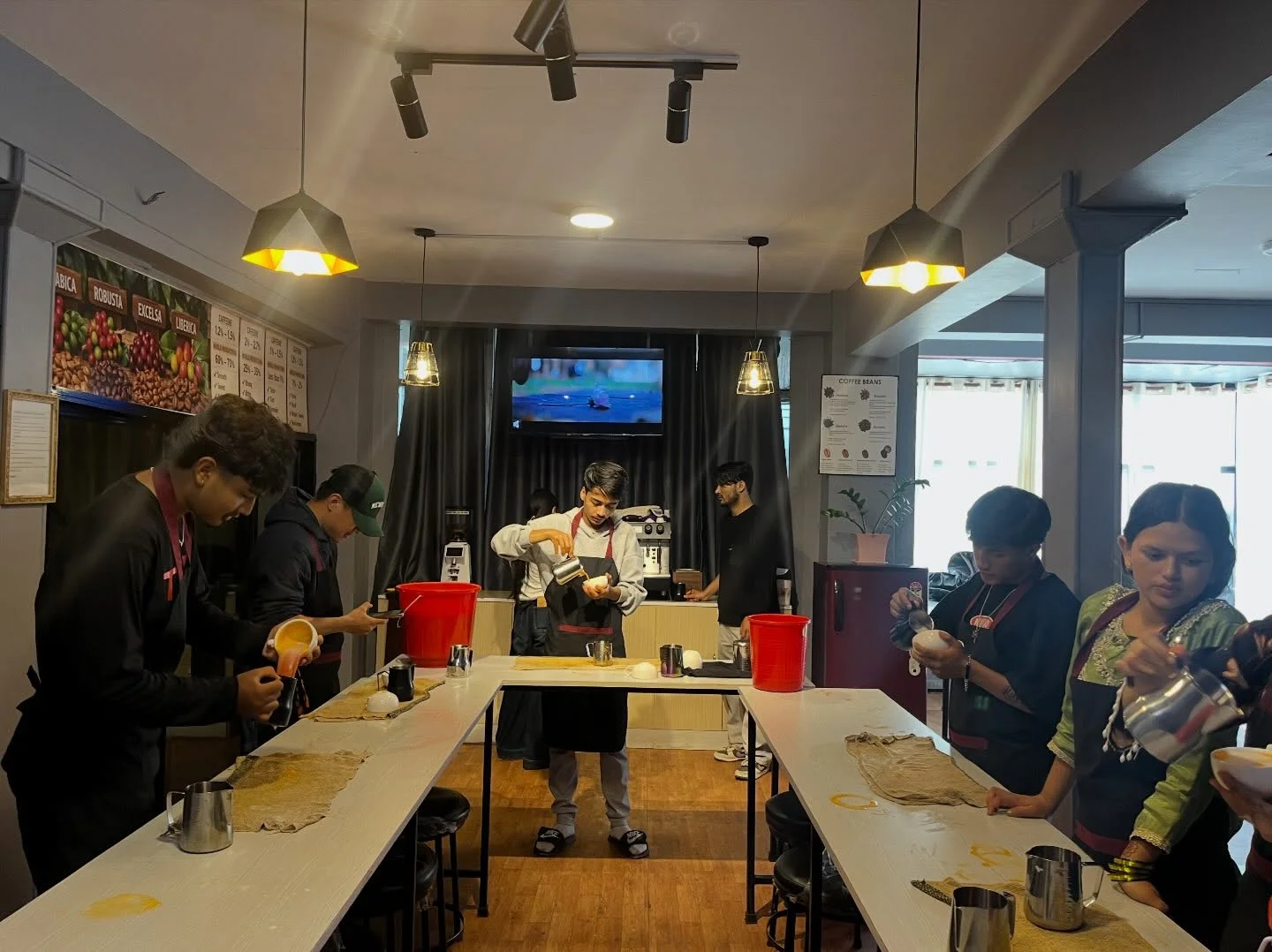
If you're searching for the best barista course in Kathmandu or professional coffee training in Nepal, Brewliners Barista School provides practical, hands-on training designed to help beginners master both coffee preparation and latte art.
With training centers in Balaju, Kathmandu, and Lagankhel, Lalitpur, students practice on commercial espresso machines while learning from experienced coffee professionals.
Our barista program includes:
- Espresso extraction
- Milk steaming
- Microfoam preparation
- Heart, tulip, and rosetta techniques
- Coffee brewing methods
- Beverage presentation
- Café workflow
- Equipment care
- Customer service
Whether your goal is to work in a specialty café, a luxury hotel, or start your own coffee business, Brewliners helps you build the confidence and practical skills needed to succeed.
Final Thoughts
Latte art is one of the most enjoyable skills a barista can learn.
It combines precision, creativity, and consistency to create drinks that delight customers before they even take a sip.
Don't be discouraged if your first few attempts don't look perfect.
Every professional barista has poured uneven hearts, broken tulips, and messy rosettas along the way.
With patience, practice, and the right guidance, you'll soon discover that beautiful coffee is built one pour at a time.
Frequently Asked Questions
Is latte art difficult to learn?
Latte art takes practice, but beginners can learn the basic heart, tulip, and rosetta designs by first mastering espresso extraction and milk steaming.
Do I need special equipment?
A commercial espresso machine, a steam wand, and a stainless steel milk pitcher make learning easier. Professional training also provides access to the right equipment and guidance.
Why can't I make latte art?
The most common reasons include poor milk texture, weak espresso crema, inconsistent pouring, or overheated milk. Improving these fundamentals makes latte art much easier.
Where can I learn latte art in Nepal?
Brewliners Barista School offers hands-on barista training at Balaju, Kathmandu, and Lagankhel, Lalitpur, where students learn espresso preparation, milk steaming, latte art, and professional café skills.