One of the first questions aspiring baristas ask is simple:
"How much can I earn as a barista in Nepal?"
It's a fair question. Whether you're a student, a job seeker, or someone planning a career change, understanding your earning potential is an important part of making the right decision.
The good news is that Nepal's coffee industry is growing rapidly. New cafés, specialty coffee shops, hotels, restaurants, and international coffee brands are creating increasing demand for skilled baristas.
While salaries vary depending on experience, employer, location, and skill level, professional training can significantly improve your career prospects and open the door to better-paying opportunities over time.
In this guide, we'll explore what affects a barista's salary, how you can increase your earning potential, and why investing in professional training is one of the smartest steps you can take.
Is Barista a Good Career in Nepal?
Absolutely.
Coffee culture in Nepal has grown significantly over the past decade, especially in cities like Kathmandu and Lalitpur. Customers today expect high-quality espresso, latte art, specialty coffee, and exceptional customer service.
This has increased demand for trained baristas who can confidently work in modern café environments.
A career as a barista offers opportunities to:
- Build practical hospitality skills
- Work in leading cafés and hotels
- Progress into supervisory and management roles
- Explore international career opportunities
- Start your own café or coffee business
What Affects a Barista's Salary?
No two baristas earn exactly the same.
Several factors influence how much you can earn, including:
Experience
As you gain experience, improve your speed, and refine your coffee skills, your earning potential typically increases.
Training and Certification
Employers often value candidates who have completed a professional barista course and can confidently operate commercial coffee equipment.
Workplace
A specialty café, luxury hotel, restaurant, or international hospitality brand may offer different compensation and career development opportunities.
Skills
Baristas with additional expertise—such as latte art, manual brewing, customer service, inventory management, or café operations—may have stronger career prospects.
Location
Coffee businesses in major cities and tourist destinations may offer different opportunities compared with smaller markets.
How to Increase Your Income as a Barista
Professional baristas don't stop learning after getting their first job.
You can improve your earning potential by developing skills such as:
- Espresso extraction
- Latte art
- Manual brewing methods
- Coffee bean knowledge
- Customer service
- Equipment maintenance
- Café workflow
- Leadership and team management
The more value you bring to an employer, the greater your opportunities for career growth.
Career Growth Beyond Entry-Level
Many people think a barista role ends behind the espresso machine.
In reality, it can be the starting point for a long-term hospitality career.
With experience, you may progress into roles such as:
- Senior Barista
- Head Barista
- Café Supervisor
- Café Manager
- Coffee Trainer
- Coffee Roastery Assistant
- Beverage Consultant
- Café Owner or Entrepreneur
Each step brings additional responsibilities and the potential for higher earnings.
International Opportunities
Professional barista skills are valued around the world.
With experience, language skills, and the appropriate work authorization, many trained baristas pursue careers in:
- Specialty coffee shops
- Hotels
- Resorts
- Cruise ships
- International hospitality brands
Working internationally can provide valuable experience and broaden your career options.
Why Professional Training Can Make a Difference
Employers want baristas who are ready to work with confidence from day one.
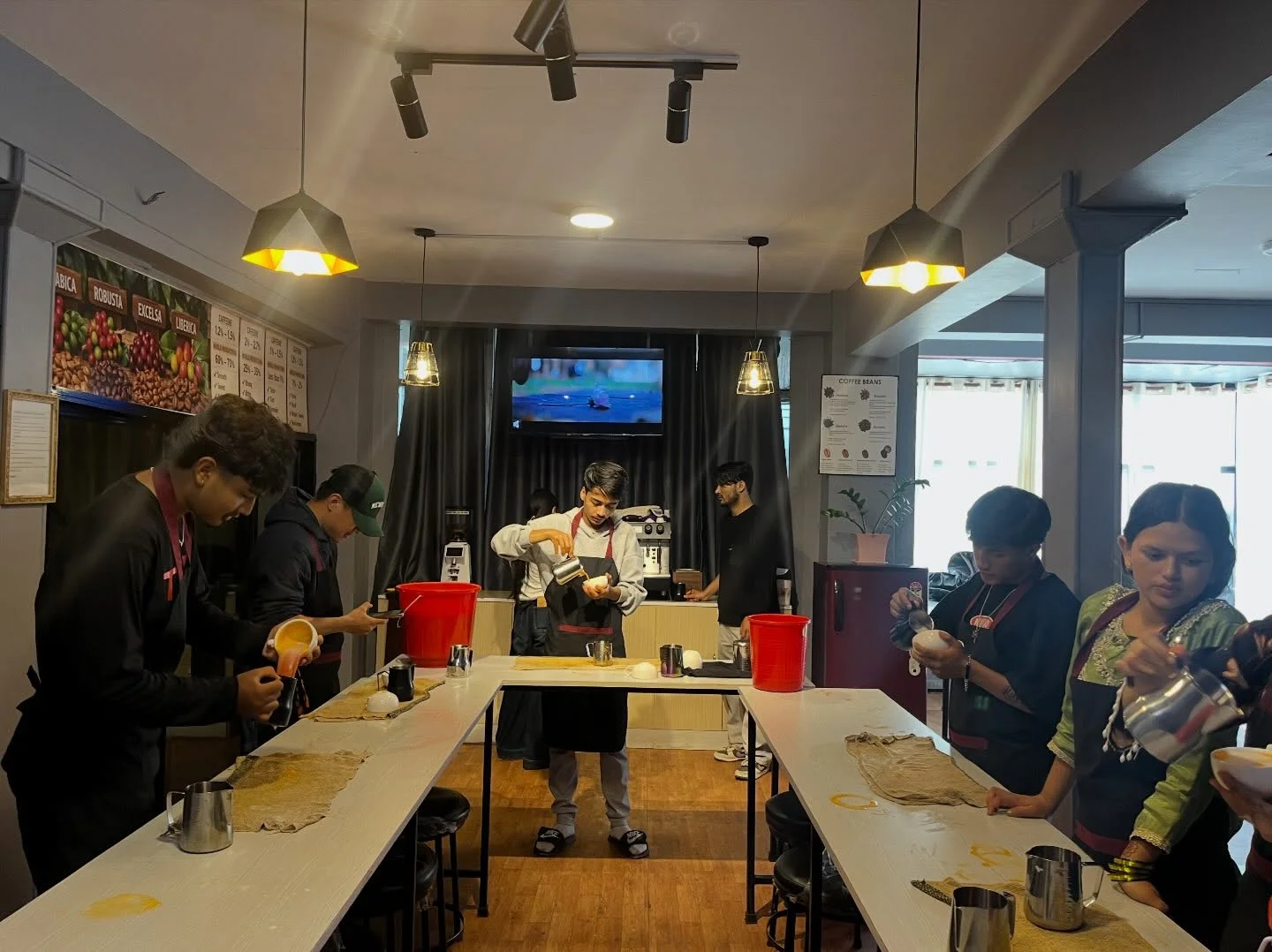
A structured barista course helps students learn:
- Espresso preparation
- Milk steaming
- Latte art
- Coffee brewing
- Café workflow
- Customer interaction
- Hygiene and food safety
- Equipment care
Practical training not only builds confidence but also helps graduates stand out during job applications and interviews.
Build Your Coffee Career with Brewliners Barista School
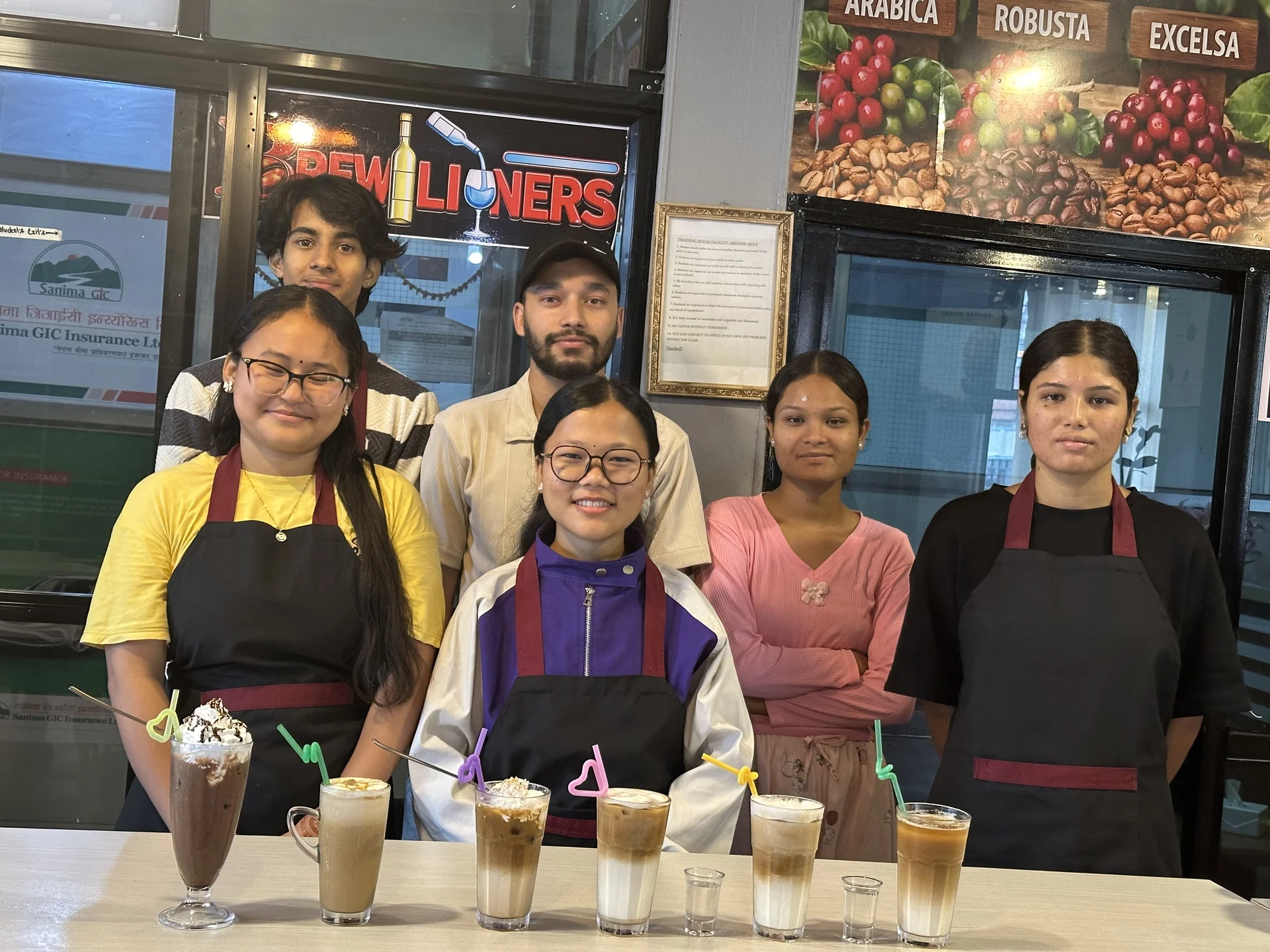
If you're searching for the best barista course in Kathmandu or professional barista training in Nepal, Brewliners Barista School provides practical, industry-focused education for aspiring coffee professionals.
With training centers in Balaju, Kathmandu, and Lagankhel, Lalitpur, students receive hands-on experience using commercial espresso machines, grinders, and café equipment under the guidance of experienced trainers.
Whether your goal is to work in a specialty café, a luxury hotel, or eventually open your own coffee shop, Brewliners helps you develop the skills employers value most.
Final Thoughts
A barista's salary isn't determined by luck—it's influenced by your skills, experience, attitude, and willingness to keep learning.
As Nepal's coffee industry continues to grow, trained baristas have more opportunities than ever to build rewarding careers in cafés, hotels, restaurants, and hospitality businesses.
Investing in professional training is an investment in your future.
Every expertly crafted cup of coffee brings you one step closer to greater confidence, stronger career opportunities, and long-term professional growth.
Frequently Asked Questions
How much can a beginner barista earn in Nepal?
Entry-level earnings vary depending on the employer, location, and responsibilities. Completing a professional barista course and developing practical skills can improve your employment prospects and future earning potential.
Can experienced baristas earn more?
Yes. As baristas gain experience, master advanced coffee techniques, and move into supervisory or management roles, their earning potential generally increases.
Is barista training worth it?
Professional training helps students build practical skills, confidence, and industry knowledge, making them more competitive when applying for jobs.
Where can I learn professional barista skills in Nepal?
Brewliners Barista School offers hands-on coffee training at Balaju, Kathmandu, and Lagankhel, Lalitpur, preparing students for careers in cafés, hotels, and the wider hospitality industry.