Every expert bartender was once a beginner who decided to learn.
Every professional bartender has one thing in common—they all started as beginners.
No one walks behind a bar knowing every cocktail recipe or mastering every pour. The confidence you see in experienced bartenders comes from learning the fundamentals, practicing consistently, and gaining real-world experience.
If you're thinking about enrolling in a bartending course in Kathmandu or beginning a career in hospitality, developing the right skills is the first step toward success.
Here are the 10 essential bartending skills every beginner should learn before stepping behind the bar.
1. Excellent Customer Service
A great bartender doesn't just serve drinks—they create memorable experiences.
Guests appreciate a friendly smile, attentive service, and genuine conversation. Whether someone orders a simple soft drink or a signature cocktail, every customer deserves the same level of professionalism and respect.
Strong customer service helps build trust, encourages repeat visits, and creates positive word-of-mouth.
2. Communication Skills
Bartenders interact with many different people throughout the day.
Being able to communicate clearly, listen carefully, and respond politely is just as important as making the perfect drink.
Good communication also improves teamwork with servers, kitchen staff, and fellow bartenders.
3. Knowledge of Cocktails and Mocktails
One of the most exciting parts of bartending is learning how different ingredients come together.
Beginners should understand:
- Classic cocktails
- Popular mocktails
- Garnishes
- Syrups
- Fresh juices
- Basic drink recipes
Learning these foundations makes it easier to create drinks with confidence.
4. Mastering Bar Tools
Professional bartenders use specialized equipment every day.
Some of the essential tools include:
- Cocktail shaker
- Jigger
- Bar spoon
- Strainer
- Muddler
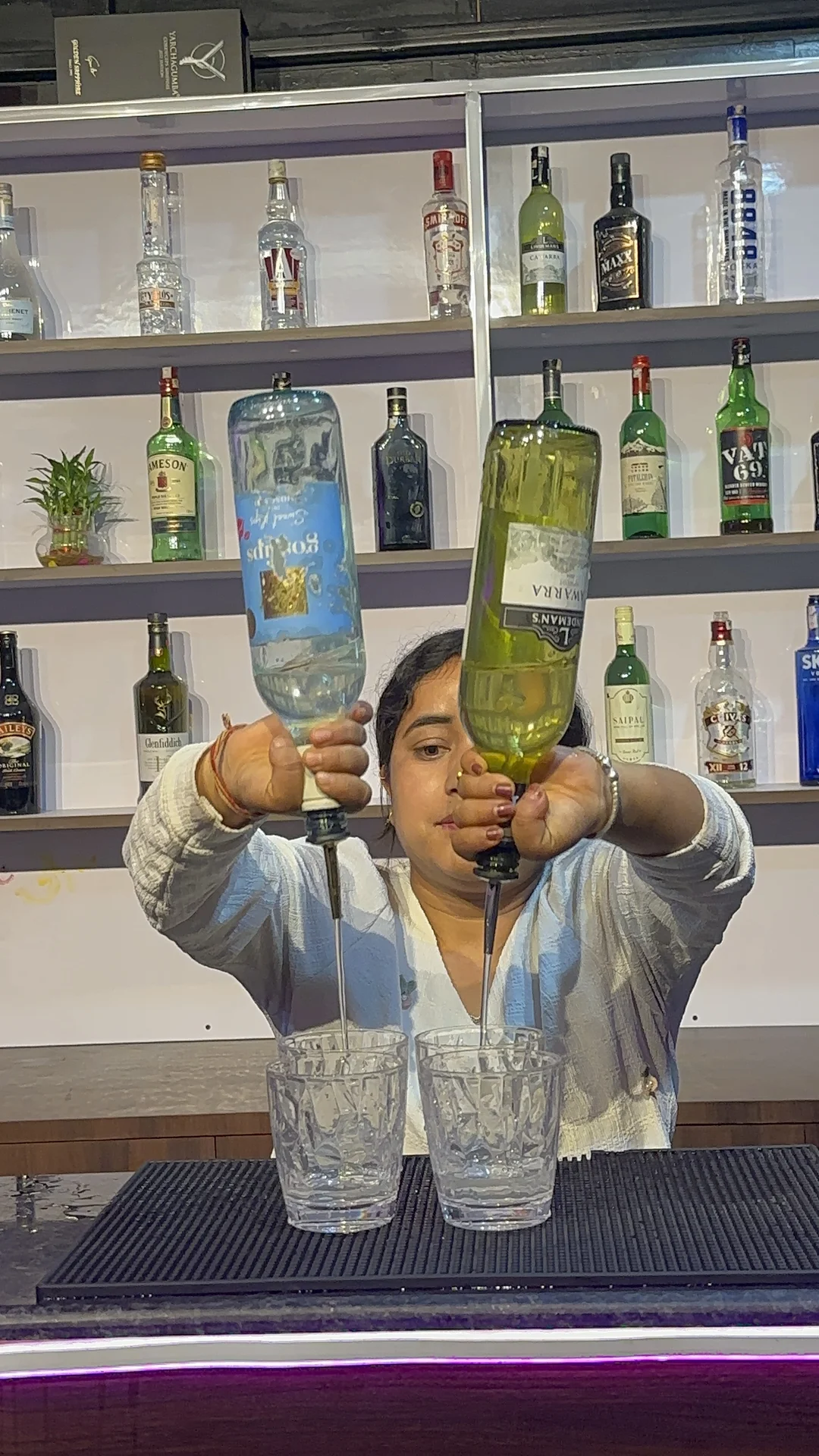
- Pour spout
- Ice scoop
- Mixing glass
Knowing when and how to use each tool helps improve speed, accuracy, and consistency.
5. Speed and Efficiency
Busy restaurants and bars often receive multiple orders at once.
Professional bartenders learn how to:
- Stay organized
- Prioritize tasks
- Prepare drinks quickly
- Maintain quality under pressure
Speed is important—but accuracy and consistency should never be sacrificed.
6. Attention to Detail
Great drinks are made with precision.
Measuring ingredients correctly, choosing the right glassware, garnishing neatly, and presenting every drink professionally all contribute to an excellent guest experience.
Small details often make the biggest impression.
7. Hygiene and Safety
Cleanliness is one of the most important responsibilities behind any bar.
Professional bartenders should always:
- Keep workstations clean
- Wash hands regularly
- Store ingredients properly
- Handle glassware carefully
- Follow food and beverage safety standards
A clean bar creates confidence for both customers and employers.
8. Beverage Knowledge
Bartenders should understand more than recipes.
Learning about different beverages helps you recommend drinks confidently and answer customer questions.
Topics include:
- Spirits
- Wines
- Beers
- Coffee-based drinks
- Soft beverages
- Mixers
- Garnishes
The more knowledge you have, the more valuable you become to employers.
9. Confidence Under Pressure
The busiest hours are often when bartenders shine.
Handling multiple orders while staying calm, focused, and friendly is a skill developed through practice.
Confidence comes from preparation, repetition, and hands-on experience.
10. Continuous Learning
The hospitality industry is constantly evolving.
New cocktail trends, creative presentations, premium ingredients, and innovative techniques appear every year.
Successful bartenders continue learning throughout their careers by practicing new recipes, attending workshops, and staying updated with industry trends.
Learning never stops behind the bar.
Why Practical Training Makes a Difference
Reading about bartending is helpful, but practical experience is what transforms knowledge into confidence.
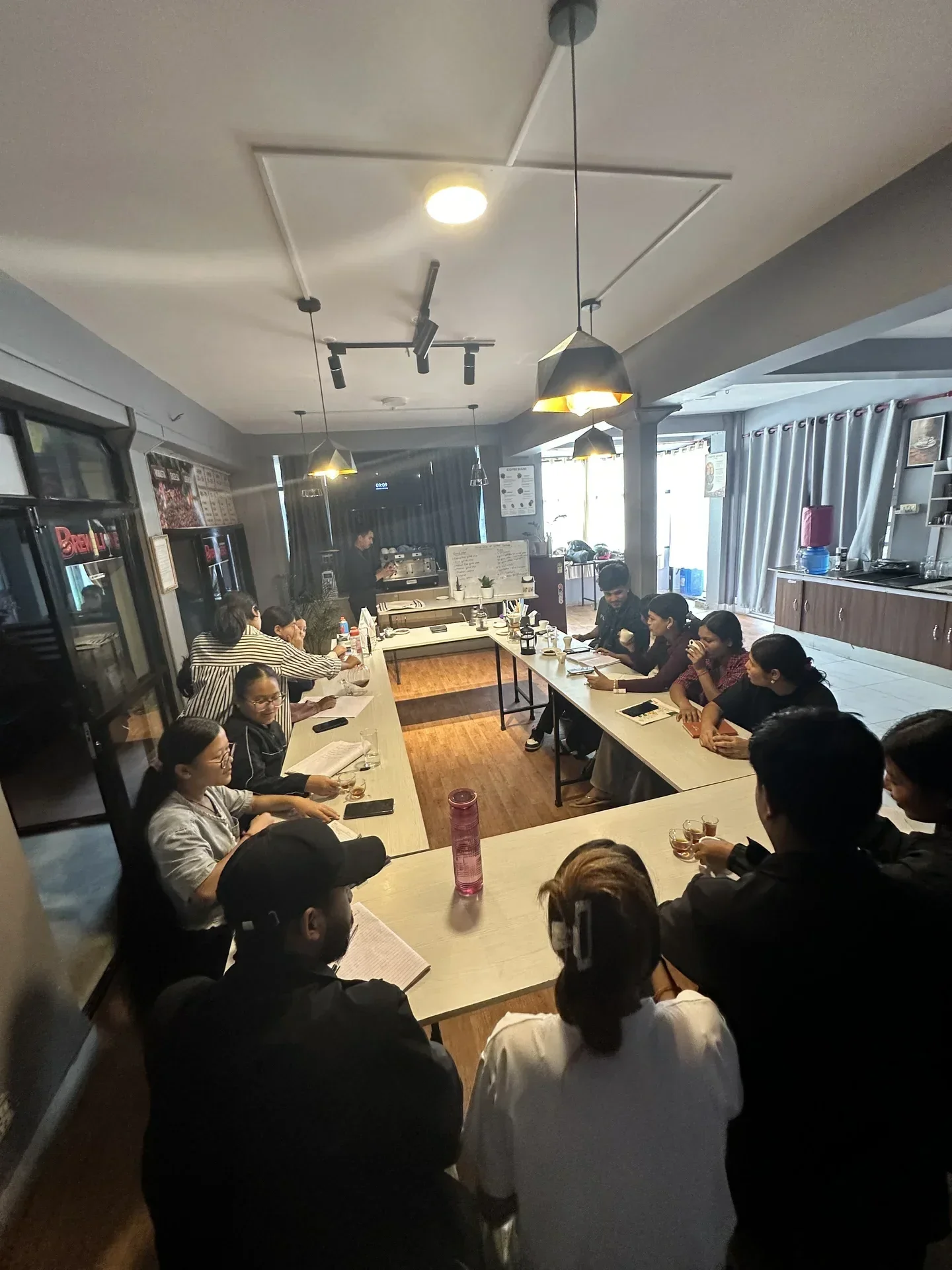
A professional bartending training program in Nepal gives beginners the opportunity to:
- Practice on professional bar equipment
- Prepare cocktails and mocktails
- Learn from experienced trainers
- Build speed and confidence
- Develop customer service skills
- Experience real bar workflows
Hands-on training helps students feel prepared before entering the hospitality industry.
Learn Professional Bartending Skills at Brewliners Bartending School
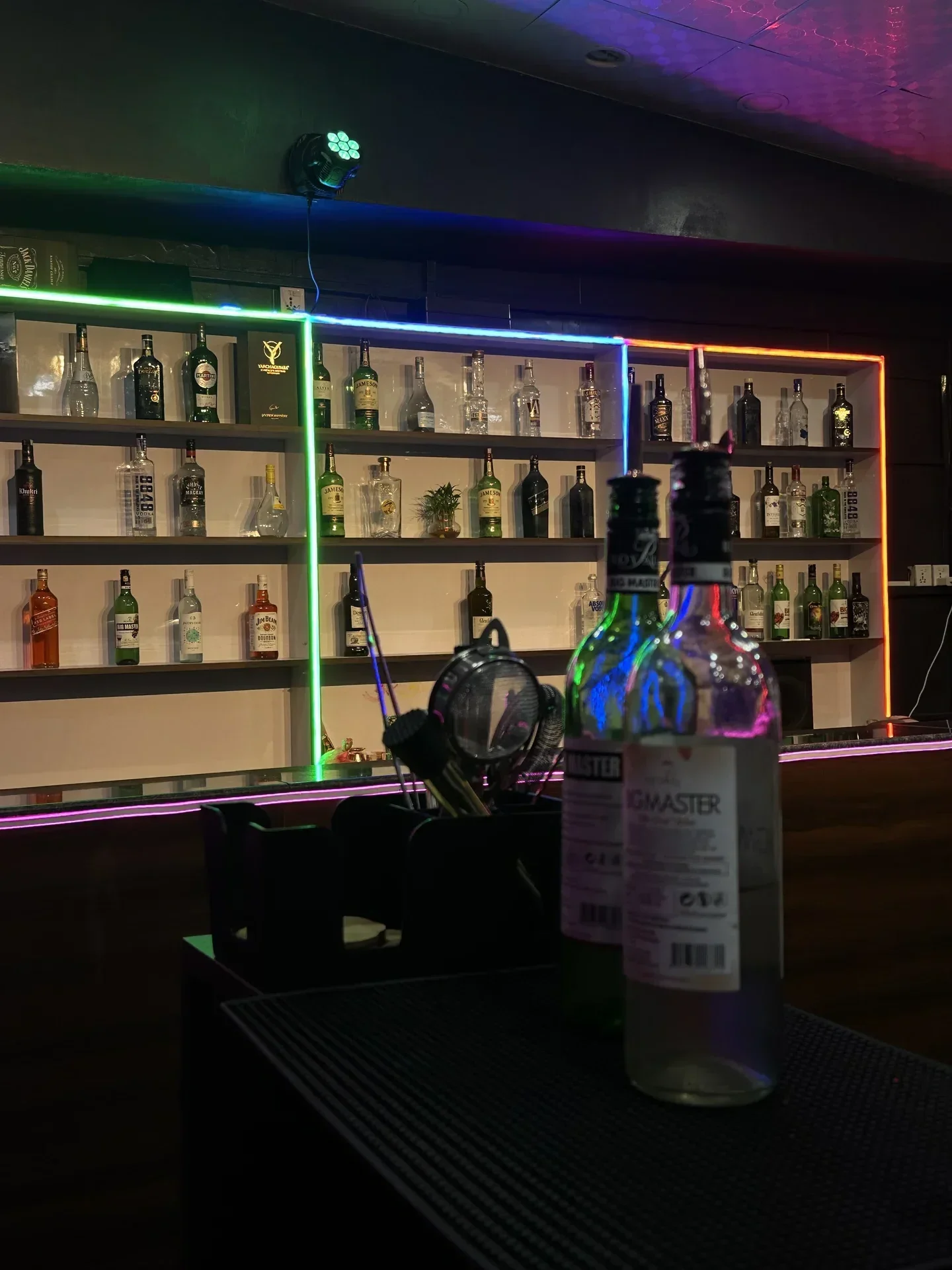
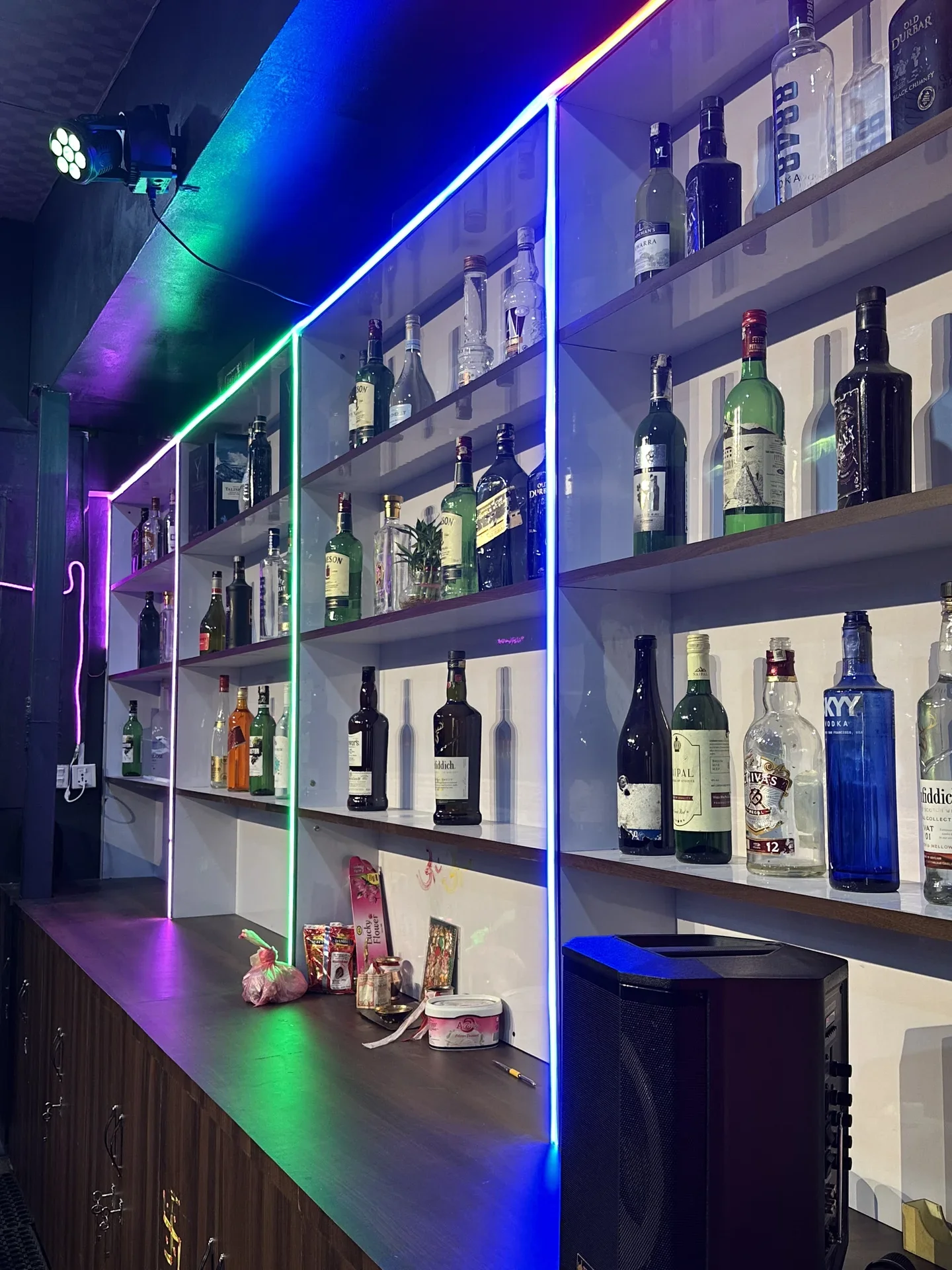
If you're searching for a bartending course in Kathmandu, Brewliners Bartending School provides practical, career-focused training designed for beginners and aspiring hospitality professionals.
Located in Balaju-16, Kathmandu, our experienced trainers guide students through every stage of bartending—from mastering the basics to building confidence in a professional bar environment.
Whether your goal is to work in cafés, restaurants, hotels, lounges, or international hospitality, our training is designed to help you succeed.
Final Thoughts
Every expert bartender was once a beginner who decided to learn.
By developing these ten essential bartending skills and practicing consistently, you'll build the confidence, professionalism, and technical ability needed for a successful career in hospitality.
Your journey starts with one decision—to learn, practice, and grow.
If you're ready to begin, Brewliners Bartending School is here to help you take the first step.
Frequently Asked Questions
Can I learn bartending without experience?
Yes. Most professional bartending courses are designed specifically for beginners and teach everything from basic bar operations to advanced drink preparation.
What is the most important bartending skill?
Customer service, communication, and consistency are among the most valuable skills. Great bartenders combine technical expertise with excellent hospitality.
How can I improve my bartending skills?
Practice regularly, learn classic recipes, study beverage knowledge, and enroll in a hands-on bartending course where you can gain real-world experience.
Is bartending a good career in Nepal?
Yes. With the continued growth of Nepal's hospitality and tourism sectors, skilled bartenders are increasingly in demand across hotels, restaurants, resorts, cafés, and lounges.